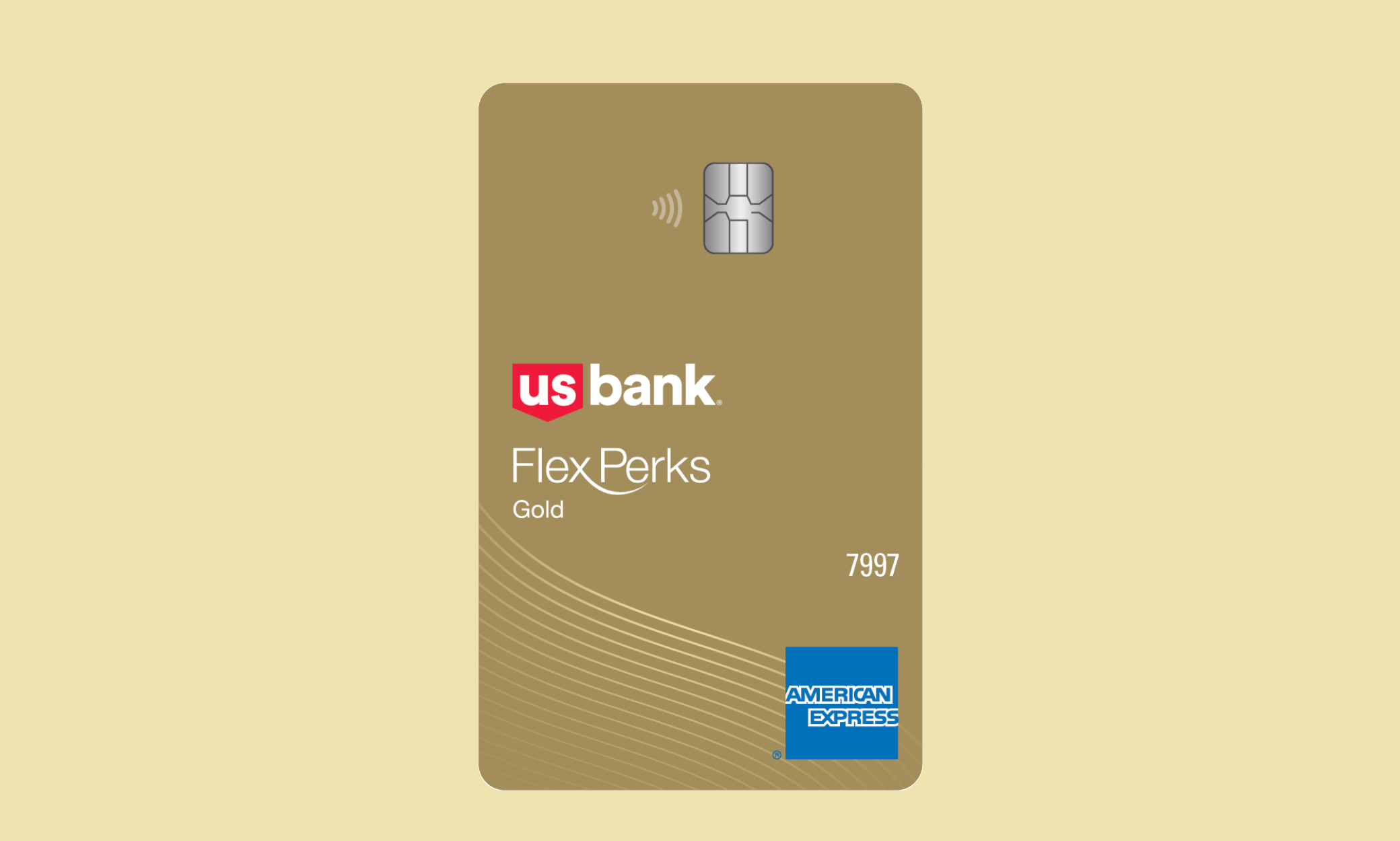
The Role of Credit Cards in Building Credit: Strategies for Young Adults and New Users
Understanding Credit Cards and Building Credit
Navigating the world of personal finance can be challenging, especially for young adults and new credit users. One essential tool in this journey is the credit card, which, when used wisely, can significantly enhance your credit profile. For many, the journey into credit begins with their first credit card, and understanding how to effectively utilize this financial instrument is crucial.
Credit cards offer a unique opportunity to build a positive credit history. Here are a few key benefits of using credit cards:
- Establishing Credit History: Every time you use your credit card and make timely payments, you contribute to your credit history. For instance, using your card for everyday purchases such as groceries or gas and paying off the balance each month creates a reliable record that lenders can review for loans or mortgages.
- Improving Credit Score: Good credit card practices can lead to a higher credit score, which is vital for loans and mortgages. A higher credit score can increase your chances of being approved for a loan at a better interest rate. This can add up to significant savings over time.
- Rewards and Perks: Many credit cards provide cashback, travel points, or other rewards which can be financially advantageous. For example, a travel rewards card might offer you points for every dollar spent, which can later be redeemed for flights or hotel stays, allowing you to travel more affordably.
However, while credit cards can be beneficial, they also require responsible management. Understanding how to properly use credit cards is crucial for success. Here are effective strategies to consider:
- Make Payments on Time: Setting up reminders or using automatic payments can prevent missed payments and penalties. Consistently paying on time demonstrates to lenders that you are reliable and financially responsible.
- Keep Balances Low: Aim to utilize less than 30% of your credit limit to maintain a healthy credit score. For example, if your card has a $1,000 limit, try to keep your balance below $300. This practice indicates to creditors that you are not overly reliant on credit.
- Monitor Your Credit Report: Regularly checking your credit report helps you keep track of your progress and identify any inaccuracies that could affect your score. In the United States, you can obtain a free credit report once a year from each of the three major credit bureaus.
Embracing these strategies can pave the way for a solid financial future. By incorporating responsible practices into your credit card usage, you set the foundation for building not only a strong credit score but also a deeper understanding of personal finance. This knowledge is invaluable, as it empowers you to make informed decisions that positively impact your financial health over time.
DISCOVER MORE: Click here for details on applying for the Chase Freedom Unlimited credit card
Strategies for Young Adults to Effectively Use Credit Cards
Understanding how to effectively use credit cards can set a strong foundation for your financial future. For young adults and new users, it’s essential to grasp the mechanics of credit cards and the impact they can have on your credit profile. Here are several strategies to navigate this journey successfully:
- Choose the Right Credit Card: Selecting a credit card that fits your spending habits and financial goals is crucial. Some cards are specifically designed for beginners, offering lower limits and fewer fees, which can help you manage your spending while you learn. Consider a secured credit card if you have no credit history, as it requires a security deposit that acts as your credit limit.
- Set a Budget: It is important to treat your credit card like a tool rather than free money. Create a monthly budget that outlines your expenses and ensures your credit card usage remains within manageable limits. For example, if your budget allows for $300 in discretionary spending per month, try to keep your credit card balance below that amount to avoid overspending.
- Utilize Credit Responsibly: Try to limit your credit card usage to necessary expenses or purchases you can pay off in full. This approach not only prevents debt accumulation but also helps you develop a sense of financial discipline. For instance, using your credit card for regular bills or planned purchases can help you keep your spending in check, and knowing you’ll be able to pay it off at the end of the month can reduce anxiety surrounding debt.
- Pay More than the Minimum: While it may be tempting to only make minimum payments each month, this can lead to lingering debt and high interest charges. Make it a practice to pay more than the minimum amount due to reduce your balance faster and minimize interest costs. For example, if your minimum payment is $25, consider paying $50 or more whenever possible. This strategy not only saves you money on interest but demonstrates proactive financial behavior, which is beneficial for your credit score.
By adopting these strategies, young adults can responsibly use credit cards to build credit without falling into common pitfalls. Being well-informed about your spending habits and managing payments can lead you on a path toward a solid credit foundation. It’s vital to remember that establishing good credit takes time and consistent effort, but with these practices in place, you are well on your way to achieving your financial goals.
DON’T MISS: Click here to learn more
Maintaining a Healthy Credit Utilization Ratio
One of the key factors that influences your credit score is your credit utilization ratio, which is the percentage of your available credit that you are currently using. For young adults and new credit card users, maintaining a low credit utilization ratio is essential for building a positive credit history. Aim to keep your utilization below 30% of your total credit limit. For instance, if your credit limit is $1,000, try to avoid using more than $300 at any given time. This practice not only helps in minimizing debt but also signals to lenders that you are a responsible borrower.
Monitor Your Credit Report Regularly
Keeping an eye on your credit report can empower you to take control of your credit journey. As a young adult, you are entitled to one free credit report per year from each of the three major credit bureaus: Equifax, Experian, and TransUnion. Make it a habit to check your reports for any inaccuracies or unfamiliar accounts that could impact your credit score negatively. For example, if you notice a late payment that you believe is incorrect, reach out to the creditor to resolve the issue promptly. Being proactive about monitoring your credit can prevent small problems from escalating into significant setbacks.
Establish a Payment History
Your payment history makes up a significant portion of your credit score—approximately 35%. It is critical to make timely payments on your credit card bills each month. Set up reminders or automate payments to avoid missing due dates. Even if you can’t pay the full amount, ensure that you pay at least the minimum payment by the due date. This consistent habit illustrates your reliability as a borrower and helps to build a positive credit history over time. For instance, if you’re struggling one month, paying something is better than nothing, as it keeps your account in good standing.
Consider Authorized User Status
If you have a parent or guardian with a good credit history, consider asking them to add you as an authorized user on their credit card account. This allows you to benefit from their positive payment history without being responsible for the debt. When they make payments, it reflects positively on your credit report as well. This method can be a fantastic way to dip your toes into building credit while leveraging the experience of someone who has mastered responsible credit use.
Avoid Opening Too Many Accounts at Once
While it may be tempting to apply for multiple credit cards to increase your credit limit, doing so can negatively impact your credit score. Each time you apply for a credit card, it generates a hard inquiry on your credit report, which can lower your score. Instead, focus on one or two accounts initially, and give them time to show positive payment history. For example, after using one card responsibly for several months, you might then consider applying for another card that offers additional benefits, such as rewards or cash back.
By implementing these additional strategies, young adults can build a solid credit foundation while avoiding common pitfalls. Remember, patience and consistency are critical in the journey towards excellent credit. Each step you take in managing your credit card wisely contributes to a healthier financial future.
DISCOVER MORE: Click here to delve into sustainability trends
Conclusion
In conclusion, credit cards can serve as powerful tools for young adults and new users in building a healthy credit history. By following the strategies outlined in this article, such as maintaining a low credit utilization ratio, regularly monitoring your credit report, and establishing a consistent payment history, you can set yourself up for financial success. For instance, try to keep your credit utilization below 30%. This means if you have a credit limit of $1,000, aim to keep your balance under $300. This demonstrates to lenders that you are a responsible borrower, which is crucial when applying for loans or mortgages.
Additionally, consider the option of becoming an authorized user on a trusted parent or guardian’s credit card. This can help you build your credit history without the burden of direct responsibility. Just remember that their spending habits can also impact your credit score, so it’s essential to choose someone with a good payment record.
As you navigate your credit journey, it is vital to avoid opening multiple accounts at once because this can lead to multiple hard inquiries on your credit report, which may negatively affect your score. Instead, focus on gradually building your credit profile. Building good credit is a marathon, not a sprint. Each responsible action, no matter how small—like paying your bill on time or avoiding overspending—contributes to your overall financial health and opens more opportunities in the future.
Understanding how to utilize credit cards responsibly fosters sound financial habits that will benefit you for years to come. Remember, your credit score plays a crucial role in major life decisions, such as obtaining loans, securing housing, and even landing certain jobs. By equipping yourself with the right knowledge and strategies, you can navigate the credit landscape with confidence, transforming your credit card from a potential liability into a stepping stone towards a stable and secure financial future.

Linda Carter
Linda Carter is a writer and financial expert specializing in personal finance and financial planning. With extensive experience helping individuals achieve financial stability and make informed decisions, Linda shares her knowledge on our platform. Her goal is to empower readers with practical advice and strategies for saving money, managing budgets, and building long-term financial success.