The Evolution of Credit Cards: How New Technologies are Transforming Payment
Understanding the Evolution of Credit Cards
The financial industry is undergoing significant transformations, primarily driven by technological advancements. Credit cards, once regarded merely as tools for borrowing money, have now evolved into complex financial solutions that integrate seamlessly into our daily lives. These advancements not only streamline payment processes but also enhance security and accessibility, ultimately improving the consumer experience.
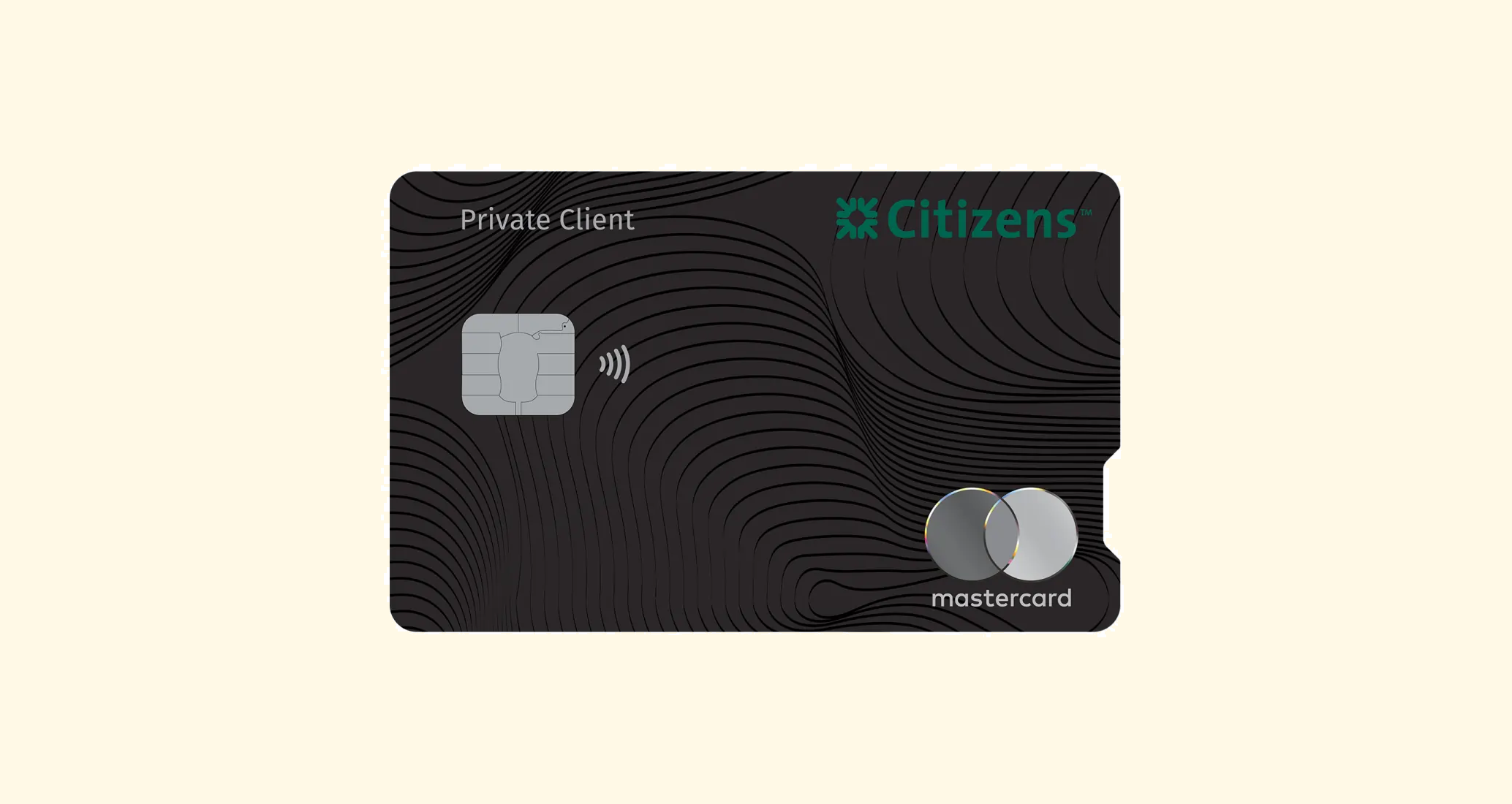
One of the most remarkable innovations in credit card technology is contactless payments. This tap-and-go feature allows users to complete transactions in mere seconds by simply tapping their card on a compatible terminal. For instance, during a bustling morning commute, a consumer can swiftly pay for their coffee without fumbling for cash or typing in a PIN. This convenience resonates deeply with busy individuals who value efficiency in their daily transactions.
Another groundbreaking development in the realm of credit cards is the rise of mobile wallets. Platforms like Apple Pay and Google Wallet have redefined how consumers interact with their finances. By storing credit card information securely on smartphones, users can make purchases effortlessly, whether they are shopping in-store or online. For example, a tech-savvy shopper can simply use their smartphone to tap at the checkout and enjoy a seamless shopping experience.
The Role of Blockchain Technology
Blockchain technology is also making waves in the credit card sphere by significantly enhancing transaction security. This decentralized technology improves the process of verifying transactions, making it much harder for fraudsters to manipulate. This is crucial in a world where credit card fraud remains a pressing concern, potentially affecting millions of consumers annually.
Streamlined Features in the U.S. Market
In the United States, credit cards have introduced various features that cater to the needs of modern consumers. For example, real-time transaction notifications allow users to track their spending closely. This instant feedback on purchases not only helps with budgeting but also alerts consumers to any unauthorized transactions quickly, facilitating prompt action to secure their accounts.
Additionally, enhanced rewards programs have become a staple in many credit card offerings. Users can earn cash back, travel points, and other incentives tailored to their spending habits. For instance, frequent travelers might prefer a card that offers extra points for airline purchases, while everyday shoppers might find greater value in cards with cash back on groceries.
Finally, the implementation of AI fraud detection systems provides another layer of security for consumers. These intelligent systems analyze transaction patterns and can immediately flag unusual activity, providing peace of mind to users who may worry about misplaced cards or identity theft.
The evolution of credit cards is not just about technology; it represents a shift in how consumers manage their finances. By understanding these advancements and the benefits they offer, individuals can make more informed decisions about their financial tools, leading to improved financial literacy and smarter spending habits.
DISCOVER MORE: Click here to learn how to apply
The Impact of Technology on Payment Methods
The way we handle payments has drastically changed over the decades, and credit cards are at the forefront of these transformations. With each advance in technology, credit cards become more than just a method to access borrowed funds; they evolve into sophisticated financial tools that enhance convenience and security for users. One of the most significant changes has been the digitization of credit cards, allowing consumers to carry vast financial resources in their pockets.
Early credit cards were largely physical objects made of plastic, often utilized for specific retailers or bank branches. However, with the advent of the internet and smartphones, we now see a shift toward digital credit cards. These virtual cards provide an added layer of security by using unique card numbers that can be generated for each transaction. This way, even if the information is intercepted, it cannot be reused for future purchases. For example, a user might generate a one-time card number for an online purchase, ensuring their primary card information remains secure.
The Rise of Virtual Cards and Their Benefits
Virtual cards have gained traction in the United States due to their convenience and security features. Here are a few benefits of using virtual cards that illustrate their value:
- Fraud Prevention: By using a virtual card, consumers minimize the risk of theft since the card number is only valid for a short duration or specific transaction.
- Easy Management: Virtual cards can be easily generated, and users can manage them directly from banking apps, allowing for simple tracking of expenses.
- Privacy Preservation: Users can make online purchases without exposing their primary credit card details, which adds a layer of privacy during transactions.
This digital shift also aligns with changing consumer behavior, particularly among younger generations who prefer a cashless lifestyle. Instead of pulling out a physical card, many consumers now opt to use the digital counterparts stored in their smartphones. This trend is reflected in the increasing popularity of digital-only banks, which offer services designed for mobile-first users.
Moreover, the introduction of biometric authentication is yet another evolution in credit card technology, enhancing security while simplifying the payment process. Users can authenticate transactions using their fingerprints, facial recognition, or even voice commands, making it harder for unauthorized users to gain access to their accounts. This multi-layered security not only protects against theft but also fosters trust in digital transactions.
As we delve deeper into the evolution of credit cards, it is essential to consider how these technologies are reshaping consumer habits and financial interactions. By leveraging the advancements in digital and biometric technologies, consumers are empowered to make secure decisions while navigating their financial journeys. Understanding these changes can significantly impact how individuals approach their spending, budgeting, and saving practices in today’s fast-paced economy.
DISCOVER MORE: Click here for details on applying
Contactless Payments and the Role of NFC Technology
Another game-changer in the credit card landscape is contactless payment technology, which is rapidly gaining popularity across the United States. This technology relies on NFC (Near Field Communication) to enable transactions with just a tap of a card or smartphone at compatible terminals. With the emergence of contactless payments, consumers can enjoy a hassle-free and expedient shopping experience. Instead of fumbling with cash or swiping a card, they can simply present their card or mobile device, making it faster and convenient to make purchases.
The benefits of contactless payments go beyond convenience. For many consumers, the speed of transactions translates directly to time savings, especially in busy environments like grocery stores or coffee shops. Additionally, the reduced contact with surfaces helps address health and safety concerns, a significant consideration that arose during the COVID-19 pandemic. With the understanding that germs can spread through physical contact, many consumers favor contactless options.
The Growing Ecosystem of Mobile Wallets
As contactless payments become more prevalent, a whole ecosystem of mobile wallets has emerged, which enhances the functions of traditional credit cards. Examples such as Apple Pay, Google Pay, and Samsung Pay allow users to store their credit card information digitally and make payments from their smartphones. These wallets support contactless transactions and can also integrate reward programs, providing additional incentives for users.
Mobile wallets also emphasize user experience. For example, integrating transit cards into mobile wallets allows commuters seamless access to public transportation without the need for separate cards or cash. Additionally, promotions and discounts can be applied directly within these apps, simplifying the shopping experience and encouraging users to spend wisely.
- Integrated Payment Solutions: Mobile wallets often offer features like order-ahead services, enabling consumers to place orders in advance and pick them up without waiting in line.
- Budget Tracking: Many mobile wallet applications provide users with tools to track expenditures, categorize spending, and help with budgeting, aligning with the increased emphasis on financial literacy.
- Enhanced Loyalty Programs: Customers can effortlessly earn and redeem points from their favorite retailers directly through their digital wallets, enhancing customer loyalty and engagement.
Moreover, the rise of e-commerce has necessitated the development of advanced payment methods. With the growing popularity of online shopping, credit card companies have had to ensure their platforms can handle the increasing volume of transactions securely. Advanced algorithms and machine learning are now used to detect fraudulent activities and analyze spending behaviors, allowing for real-time alerts to suspicious transactions. Such innovations enhance consumer security and encourage trust in online purchasing, which is essential in a world where digital shopping continues to expand.
With the combination of contactless payment technology, mobile wallets, and advanced security systems, the credit card industry is transforming in ways that enhance consumer experiences. These innovations not only make payments more efficient but also assure users that their financial information is being handled responsibly and securely. Understanding these technologies and their ramifications on spending behaviors is crucial in adapting to an evolving payment landscape.
DIVE DEEPER: Click here to learn more
Conclusion
The evolution of credit card technology has profoundly changed the landscape of consumer payments. With the introduction of contactless payment solutions, making a purchase has become as simple as tapping a card or smartphone against a terminal. This convenience is particularly evident when purchasing everyday items at grocery stores or cafes, where speed can significantly enhance the shopping experience. For example, during peak hours, a customer can swiftly pay for their coffee without fumbling for cash or waiting for a card to be inserted in a chip reader, thereby making the process more efficient for both the consumer and the retailer.
Moreover, the rise of mobile wallets like Apple Pay and Google Pay has further revolutionized how we handle money. By linking credit cards to these platforms, users can store multiple payment options on a single device. This means that consumers can choose which card to use while on the go, all from the convenience of their smartphones. Additionally, many mobile wallets offer features that alert users to nearby sales or provide instant notifications of transactions, thus enhancing the shopping experience and enabling more informed spending decisions.
The importance of security measures cannot be overstated in this tech-driven environment. As shopping increasingly shifts online, the presence of advanced machine learning and fraud detection systems has become crucial. These technologies work behind the scenes to identify unusual spending behaviors and swiftly alert users about potential fraud. For example, if a purchase at an unusual location is made while the consumer is at home, they will receive a notification prompting them to confirm the transaction. This proactive approach not only protects consumers but also fosters trust in digital payment platforms.
Furthermore, the incorporation of budgeting tools and loyalty programs into mobile wallets facilitates better financial management. Consumers can easily track their spending, categorize expenses, and set savings goals right from their devices. Loyalty programs incentivize spending by allowing users to earn points or cashback on their transactions, which can be redeemed for discounts or rewards. This dual approach of managing finances while earning incentives encourages smarter financial habits, positioning consumers to make more informed purchasing decisions.
As we look to the future, it is clear that the transformation of payment technologies will persist, with ongoing improvements aimed at creating a frictionless user experience while maintaining stringent security protocols. Consumers in the United States will benefit by staying informed about these developments, as the integration of technology in finance not only simplifies transactions but also cultivates a more educated and engaged consumer base. In this rapidly changing digital world, understanding how these systems work enables consumers to take control of their financial health and make empowered spending choices.

Linda Carter
Linda Carter is a writer and financial expert specializing in personal finance and financial planning. With extensive experience helping individuals achieve financial stability and make informed decisions, Linda shares her knowledge on our platform. Her goal is to empower readers with practical advice and strategies for saving money, managing budgets, and building long-term financial success.