
Sustainable Credit Cards: The Growth of Eco-Friendly Options and Their Effects on the Market
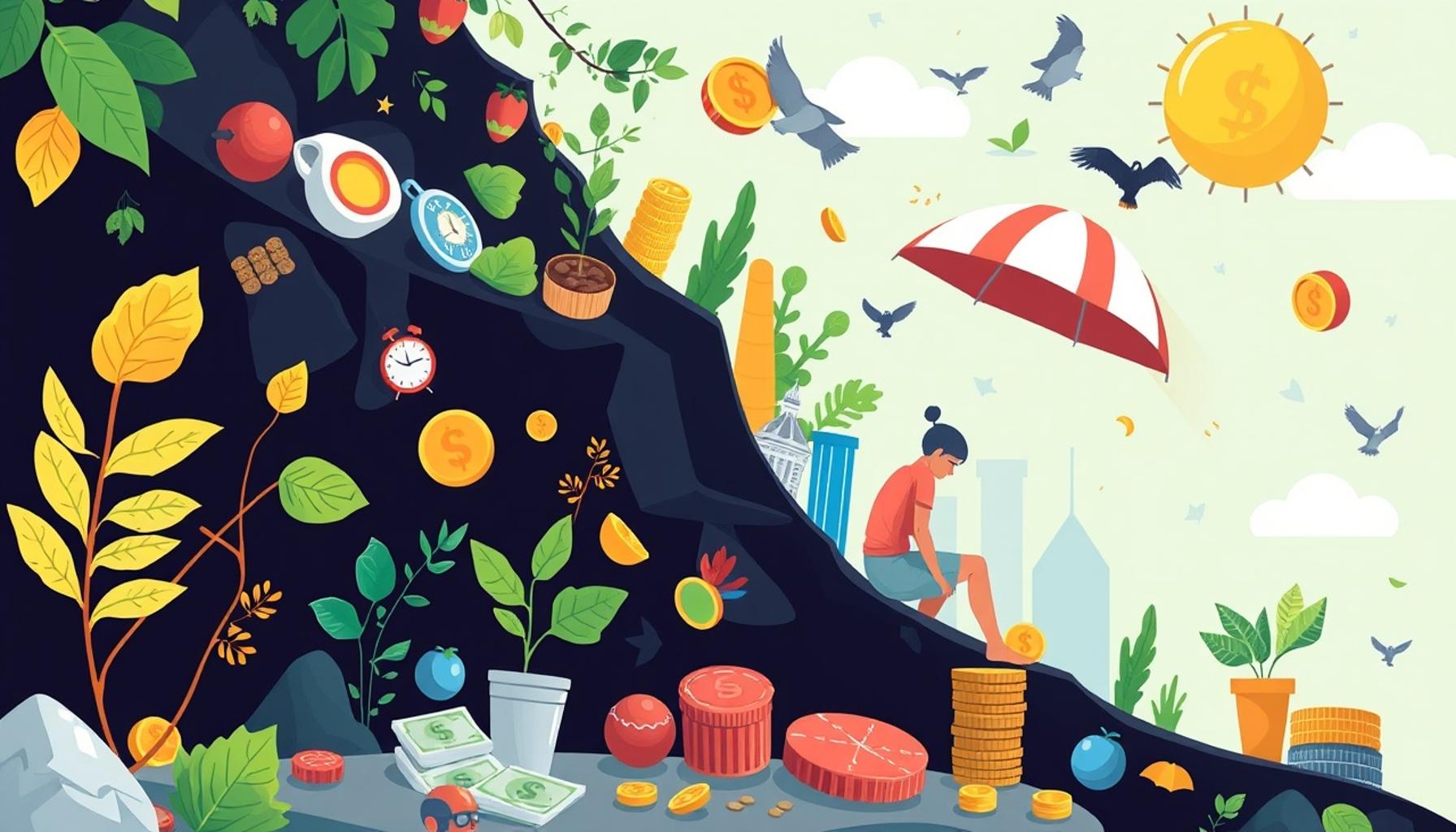
Understanding Eco-Friendly Credit Cards
In an age where consumers are increasingly aware of their ecological footprints, financial products such as eco-friendly credit cards are gaining popularity. These cards serve a dual purpose: they provide the conventional benefits associated with credit cards, such as rewards points, cashback, and credit-building opportunities while simultaneously supporting sustainable initiatives that benefit the environment.
As consumers become more conscious of their spending habits, they are eager to make choices that align with their values. Eco-friendly credit cards offer a pathway for individuals to contribute positively to the planet without altering their daily spending routines. Here are some distinctive features that make these cards particularly attractive:
- Materials: Many eco-friendly credit cards are crafted from recycled or biodegradable materials. For example, some popular cards are made from plant-based plastics, significantly reducing the demand for new materials and minimizing waste.
- Carbon Offsetting: Numerous card issuers partner with organizations that focus on environmental restoration projects. By investing in initiatives like reforestation and renewable energy, these companies work to neutralize the greenhouse gas emissions associated with card usage. For instance, a cardholder might find that each purchase contributes to the planting of trees through a partnership with environmental nonprofits.
- Charitable Contributions: A portion of every purchase made using eco-friendly credit cards often goes directly to environmental charities. This means that each time a consumer swipes their card, they are supporting crucial initiatives, such as wildlife conservation efforts or renewable energy projects, without any extra effort on their part.
The emergence of sustainable credit cards is indicative of a larger trend among consumers demanding more responsible business practices. Brands are increasingly acknowledging this shift and are adapting their offerings accordingly. This has a ripple effect, encouraging traditional banks to rethink their approach”—leading to innovative banking solutions that embrace sustainability.
As we explore the landscape of green finance, it is essential to grasp the implications these ecological options have on both consumer behavior and banking practices. The rise of eco-friendly credit cards not only empowers individuals to make a difference through their everyday spending but also pressures financial institutions to embrace sustainability as a core value. Consequently, this movement has the potential to catalyze a broader transition toward a more sustainable financial ecosystem, benefiting both the planet and future generations.
DIVE DEEPER: Click here to discover more insights
The Features and Benefits of Eco-Friendly Credit Cards
Eco-friendly credit cards encompass a variety of features designed to align with the values of environmentally conscious consumers. Beyond their conventional functionalities, these cards offer unique benefits that make them appealing not only for individuals but also for financial institutions aiming to support sustainability.
One of the most significant aspects of these cards is their commitment to reducing plastic waste. Traditional credit cards often contribute to environmental harm due to their long production and disposal processes. In contrast, eco-friendly credit cards utilize renewable or recycled materials, significantly minimizing their environmental impact. For example, some cards are made from biodegradable materials or recycled plastics, which helps in the reduction of plastic pollution.
Another key feature of eco-friendly cards is the focus on carbon offsetting. Many card issuers have partnered with environmental organizations to ensure that a percentage of revenue is directed toward projects that mitigate climate change. This means that consumers can participate in initiatives like afforestation simply by using their cards for everyday transactions. Every dollar spent may contribute to planting trees or funding renewable energy projects, allowing consumers to make a direct impact on environmental preservation.
Moreover, eco-friendly credit cards often integrate charitable contributions into their reward systems. With many card programs, every purchase contributes to a charitable cause that aligns with sustainability efforts. Cardholders might find that a portion of their spending goes to wildlife preservation or clean water initiatives, reinforcing the idea that every little action makes a difference in creating a more sustainable future.
The rise of eco-friendly credit cards reflects a broader demand in the marketplace for financial products that are both ethical and environmentally friendly. Here are some reasons behind their growing appeal:
- Consumer Awareness: As awareness regarding climate change and sustainability grows, consumers are actively seeking products that match their ecological values. Many prefer to support companies that prioritize sustainability.
- Incentives: Eco-friendly credit cards often provide attractive rewards, such as additional points for purchases at green businesses or higher cashback for environmentally friendly products, making them competitive with traditional options.
- Reputational Benefits: For businesses and institutions, offering eco-friendly card options enhances their brand reputation, appealing to a customer base that increasingly values corporate social responsibility.
As the market adapts to meet the needs of eco-conscious consumers, traditional banks and financial institutions are also feeling the pressure to innovate. The rise of sustainable credit cards signals a shift in financial practices, demonstrating that environmental concerns can be prioritized without sacrificing financial benefits. This evolution holds the promise of fostering a more sustainable financial landscape that benefits both consumers and the environment alike.
DISCOVER MORE: Click here for details on applying
The Impact of Eco-Friendly Credit Cards on Consumer Behavior
The rise of eco-friendly credit cards is not just a trend; it’s a reflection of changing consumer behavior shaped by increased environmental awareness. As consumers become more mindful of their ecological footprint, they are actively looking for ways to align their financial choices with their values. This shift represents a significant transformation in the financial services industry.
Research indicates that consumers are increasingly willing to pay more for products that are sustainably produced. According to a survey conducted by Nielsen, 66% of global consumers are willing to pay more for sustainable brands. This statistic is significant as it suggests that eco-friendly credit cards can capture a substantial market share among eco-conscious shoppers. By linking spending to sustainability, card issuers can attract customers who prioritize environmental considerations in their financial decisions.
Furthermore, eco-friendly credit cards often foster community engagement and social responsibility. Issuers frequently partner with local businesses that emphasize sustainable practices, encouraging cardholders to support these establishments. For example, a card might offer enhanced rewards for spending at local farmers’ markets or eco-friendly retailers, not only benefiting cardholders through rewards but also helping to sustain the local economy. This connection fosters a sense of community and collective responsibility, which enhances customer loyalty.
The potential for behavioral change is also noteworthy. Many eco-friendly credit cards provide spending insights related to carbon footprints or environmental impact. Cardholders might receive summaries that show how their spending affects the environment, encouraging them to make more conscious purchasing choices. For instance, if a cardholder sees that their takeout habits lead to a high carbon footprint, they may be inspired to seek out sustainable alternatives, such as meal kits from providers that focus on local ingredients.
Moreover, the rewards structure found in eco-friendly credit card programs can motivate consumers to change their habits. For instance, some cards offer double points for purchases made at green businesses or for expenses related to travel via public transportation. Such incentives not only benefit consumers but also promote more sustainable choices, aligning financial rewards with environmental outcomes. This dual benefit serves as a practical example of how consumer behavior can be positively influenced through targeted incentives.
The growing popularity of eco-friendly credit cards also reflects a larger movement within the financial industry towards greater transparency and social accountability. As consumers become more aware of corporate practices, they are likely to favor financial institutions that respond to the call for sustainability. This trend has prompted many traditional banks and credit unions to innovate and adapt their offerings to include sustainable practices in order to retain existing customers and attract new ones.
In summary, eco-friendly credit cards are influencing consumer behavior by encouraging individuals to make more environmentally conscious choices. By offering unique rewards, insights, and community engagement opportunities, these financial products are not only attractive to consumers but are also reshaping the overall landscape of financial services. As this segment continues to grow, its impact on individual financial practices and the broader market will likely become more pronounced, paving the way for a future where sustainability and finance go hand in hand.
DIVE DEEPER: Click here to learn more
Conclusion
The emergence of sustainable credit cards marks a pivotal moment in the intersection of consumer finance and environmental stewardship. As eco-friendly options become increasingly available, they not only cater to the evolving preferences of consumers but also encourage a broader societal shift toward sustainability. Cardholders now have a unique opportunity to support ethical practices while managing their finances, illustrating how financial products can empower individuals to make a positive impact on the environment.
Moreover, as financial institutions respond to consumer demand for transparency and sustainability, we are likely to witness a heightened competition among banks and companies in the credit card market. This could lead to an expansion of eco-friendly features and rewards, ultimately providing consumers with even more compelling reasons to choose sustainable options. The practical benefits of these cards—such as enhanced rewards for green purchases and insights into their environmental impact—will further engrain sustainability into the consumer mindset.
In conclusion, the shift towards eco-friendly credit cards is not merely a passing trend but a fundamental change in how we view spending and responsibility. As more individuals embrace sustainable practices through their financial choices, the implications for the market and the environment are profound. The future of finance appears brighter and greener, holding the promise of a world where our economic decisions align more closely with our values, ultimately leading to a tangible positive effect on our planet.

Linda Carter
Linda Carter is a writer and financial expert specializing in personal finance and financial planning. With extensive experience helping individuals achieve financial stability and make informed decisions, Linda shares her knowledge on our platform. Her goal is to empower readers with practical advice and strategies for saving money, managing budgets, and building long-term financial success.