
Innovation in Logistics: Emerging Technologies Revolutionizing the Supply Chain
Technological Advancements in the Logistics Industry
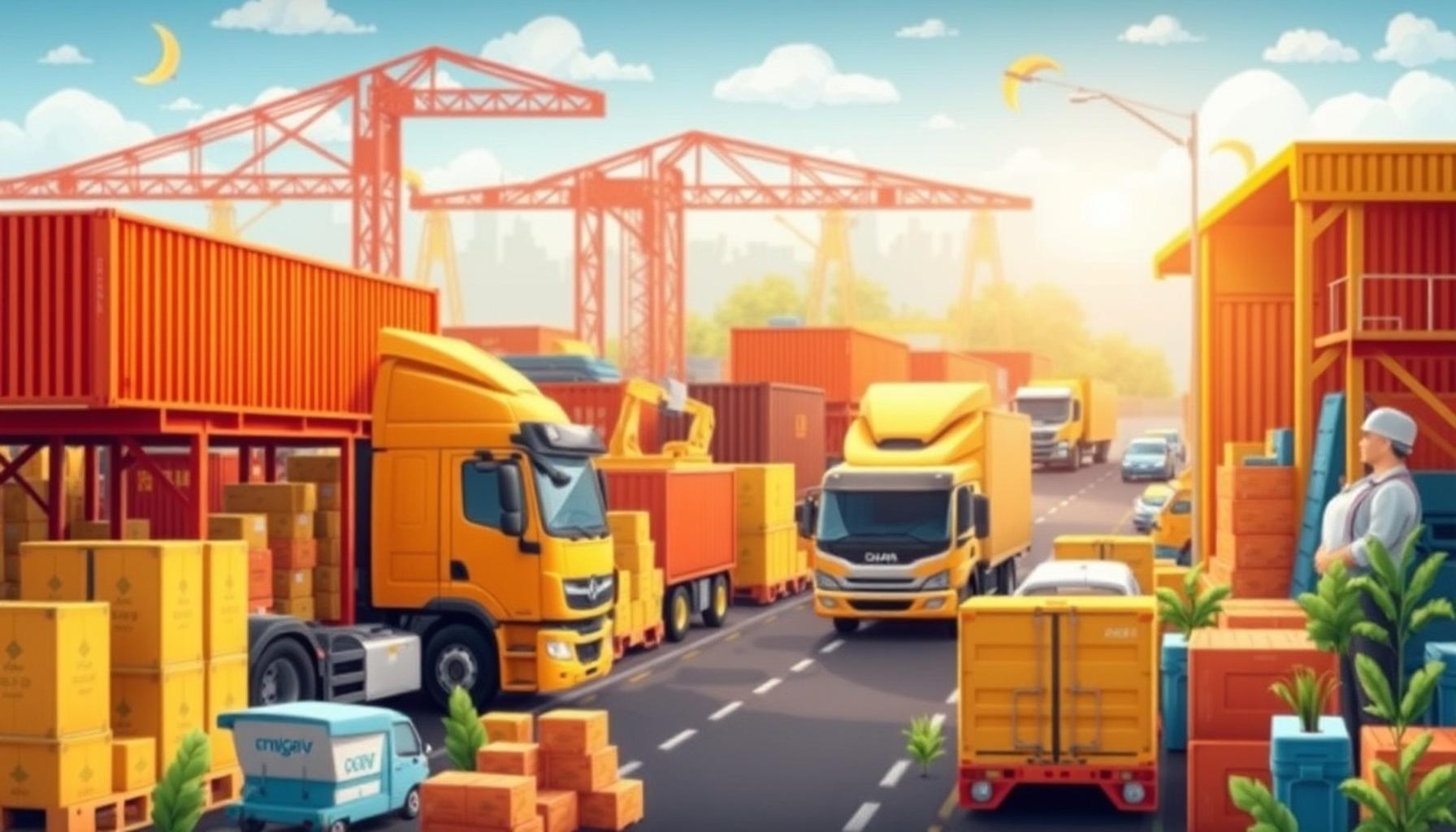
The logistics industry is experiencing a profound transformation driven by rapid technological advancements. This evolution is not merely about improving operational efficiency; it is fundamentally reshaping the entire supply chain landscape, creating new paradigms for how goods move from manufacturers to consumers. As we explore the impact of various technologies, it is essential to recognize their potential to introduce efficiency, reduce costs, and enhance customer satisfaction.
Automation in Warehousing
Automation is one of the most notable changes seen in warehouses and distribution centers. Robotics and automated systems have streamlined various processes, such as order picking, packing, and sorting. For instance, companies like Amazon have implemented robotic systems that can quickly maneuver around the warehouse, speeding up the order fulfillment process. These automated systems not only increase productivity but also reduce the reliance on manual labor, leading to fewer human errors and enhanced safety for workers.
Artificial Intelligence and Data Analytics
Artificial Intelligence (AI) has become a cornerstone in optimizing logistics operations. AI-driven analytics play a critical role in inventory management and demand forecasting. By analyzing historical data, weather patterns, and market trends, AI systems can help businesses anticipate customer needs more accurately. For example, Walmart uses AI to optimize its inventory levels, ensuring that products are available when customers need them, while minimizing excess stock that can lead to wasted resources.
The Internet of Things
The Internet of Things (IoT) has enhanced supply chain visibility through smart sensors that provide real-time tracking and monitoring of shipments. These IoT devices can relay information about a shipment’s location, temperature, and condition, allowing businesses to make informed decisions during transit. A practical example is the use of IoT in perishable goods transportation, where sensors help ensure that food products remain at optimal temperatures throughout their journey.
Blockchain Technology
Blockchain technology is revolutionizing the trust and transparency within supply chains. By creating a secure and immutable ledger for transactions, blockchain ensures that all parties have access to the same information, reducing the risk of fraud and increasing accountability. Companies like IBM are pioneering blockchain solutions that allow for enhanced visibility in the supply chain, enabling stakeholders to track products from their origin to the consumer.
Autonomous Vehicles
The emergence of autonomous vehicles, such as self-driving trucks, marks a significant shift in transportation logistics. These vehicles promise to reduce labor costs and improve safety on the roads. Companies like Waymo and Tesla are leading the charge in developing this technology, which could drastically transform how goods are transported across long distances. With less dependence on human drivers, businesses can potentially operate around the clock, increasing efficiency and reducing delivery times.
As these innovations continue to unfold, they are not just changing logistics processes but also setting the stage for a competitive marketplace. Businesses that embrace these technologies will not only enhance their operational capabilities but also offer superior value to their customers by providing faster and more reliable services. Understanding these advancements is essential for organizations looking to thrive in today’s fast-paced and dynamic environment.
DIVE DEEPER: Click here to learn more</
Transforming the Supply Chain: Key Technologies at Work
The logistics industry is rapidly evolving due to the incessant pace of technological innovations. These advancements are not only streamlining operations but also reshaping the very structure of supply chains around the world. Understanding the role of different technologies is crucial for businesses aiming to remain competitive in today’s marketplace, and this section will dive into how various innovations are transforming the logistics landscape.
Robotics and Automated Processes
The integration of robotics has become a game changer for logistics, especially in warehousing and distribution. Automated guided vehicles (AGVs) and robotic arms are increasingly being utilized to handle repetitive tasks, such as picking and packing orders. For example, major retailers like Target have begun adopting robots to ensure efficient inventory management and order fulfillment. By automating these tasks, companies can significantly increase their throughput while reducing operational costs associated with human labor.
Enhanced Visibility through IoT
The Internet of Things (IoT) plays a pivotal role in enhancing supply chain visibility. By equipping goods with smart sensors, companies can monitor their shipments in real-time, leading to improved decision-making processes. Here are some key benefits that IoT provides within the supply chain:
- Real-time tracking: Companies can see the exact location and status of their deliveries, allowing for timely interventions if issues arise.
- Temperature control: For temperature-sensitive goods, sensors ensure that products like pharmaceuticals and perishable food remain within their required environments.
- Predictive maintenance: By monitoring vehicle and equipment conditions, businesses can predict failures before they occur, reducing downtime and repair costs.
Machine Learning for Predictive Analytics
Machine learning is at the forefront of data analysis in logistics. By utilizing vast amounts of data generated within the supply chain, machine learning algorithms can provide insights into customer behavior, inventory trends, and even potential disruptions in delivery schedules. Companies such as UPS have applied machine learning to optimize delivery routes, effectively saving fuel costs and improving service times. This predictive capability can lead to enhanced operational efficiency and vastly improved customer satisfaction.
Digital Twin Technology
Digital twin technology is emerging as a powerful tool for logistics companies. By creating virtual replicas of physical supply chain networks, companies can simulate operations and assess various scenarios without any actual risk. This allows for thorough testing of changes before implementation, reducing the risk of costly mistakes. For example, during peak seasons, businesses can model their operations to determine the best strategies to accommodate increases in demand. Using digital twins effectively can pave the way for smarter, data-driven decision-making.
As we delve deeper into these innovations, it becomes evident that integrating emerging technologies is not a matter of choice but a necessity for companies aiming to thrive in a data-driven marketplace. The logistics landscape is continually evolving, and businesses that harness these technologies can expect significant payoffs in efficiency, accuracy, and customer satisfaction.
DISCOVER MORE: Click here to learn about the impact of technology
Emerging Solutions: The Future of Logistics Technology
As the logistics industry continues to unlock the potential of technology, several additional innovations are making significant contributions to enhancing the supply chain. These solutions not only address current challenges but also prepare companies for the demands of tomorrow. In this section, we will explore more cutting-edge technologies that are shaping the future of logistics.
Blockchain for Supply Chain Transparency
Blockchain technology is revolutionizing how companies verify transactions and track products throughout the supply chain. By leveraging a decentralized ledger, all participants in the supply chain gain access to a shared database that cannot be altered without consensus. This capability greatly enhances transparency and security. For instance, companies such as Walmart are using blockchain to trace the origin of food products, thus improving food safety by quickly identifying the source of contamination, if necessary. By implementing blockchain, organizations can build trust not only within their supply chains but also with consumers, who increasingly demand transparency about the origins of products.
Artificial Intelligence in Logistics Management
Another key technology that is transforming logistics is <strongartificial intelligence (AI). AI systems can analyze vast amounts of data, recognize patterns, and make recommendations based on predictive analytics. For example, logistics firms are employing AI-driven chatbots to manage customer service inquiries, providing immediate assistance and improving response times. Beyond customer service, AI can optimize supply chain operations by demand forecasting, identifying trends, and even automating routing decisions, which ultimately leads to lower operating costs and improved delivery times.
Augmented Reality for Warehouse Management
Augmented reality (AR) is an emerging tool in warehouse management, providing employees with digital overlays of information to enhance productivity. Using AR glasses, warehouse workers can receive real-time instructions or pick lists directly in their line of sight, which significantly reduces the time spent searching for items. Companies such as DHL are experimenting with AR applications to streamline their packing processes, further demonstrating the effectiveness of this technology. Enhanced employee efficiency not only boosts output but also reduces human error, leading to fewer mistakes in order fulfillment.
Autonomous Delivery Solutions
The rise of autonomous delivery methods presents an exciting frontier for logistics. Companies like Amazon are investing in drone technology to facilitate quicker deliveries, particularly in remote or densely populated urban areas. Drones can bypass traditional transportation challenges such as traffic congestion, delivering packages directly to customers’ doorsteps. Similarly, autonomous delivery vehicles are being developed to navigate urban environments while adhering to traffic laws. These innovations have the potential to redefine delivery timelines and customer expectations, as well as reduce delivery costs in the long run.
With these advanced technologies in play, the logistics industry stands at the cusp of a major transformation. Companies that embrace these emerging tools can expect to enhance their operational efficiencies while delivering exceptional value to their customers. The adaptation and integration of such technologies signal a shift toward a more responsive and agile supply chain, poised to meet the challenges of a dynamic marketplace.
DIVE DEEPER: Click here to learn more
Conclusion
As we navigate through the rapidly evolving logistics landscape, it becomes clear that innovation is the driving force behind enhanced efficiency and competitiveness in the supply chain. Emerging technologies, including blockchain, artificial intelligence, augmented reality, and autonomous delivery solutions, are not just transitional tools; they are pivotal in redefining how businesses operate. These advancements streamline operations, improve transparency, and optimize delivery processes, ultimately elevating the customer experience.
The integration of blockchain technology, for instance, fosters trust and accountability by ensuring product traceability, which is essential in today’s market focused on safety and integrity. Meanwhile, AI plays a key role in predictive analytics, enabling logistics companies to react to market demands swiftly and accurately. Augmented reality enhances warehouse management, empowering workers to be more efficient and precise in their tasks. Lastly, advancements in autonomous delivery methods promise to reshape not only how goods are delivered but also the entire logistics model, offering vast potential for cost savings and improved service levels.
Looking ahead, companies that embrace these technological innovations will be better positioned to meet the challenges of an ever-changing marketplace. The logistics industry is on the brink of a transformational shift that encourages adaptability, efficiency, and sustainability. By leveraging these technologies, organizations can not only improve their operational performance but also contribute positively to consumer satisfaction and trust. In this dynamic environment, the future of logistics appears not only promising but also filled with opportunities for those willing to innovate.