The Role of Startups in the Consumption Revolution: Innovations That Are Changing the Market
Introduction to Startups’ Impact on Consumer Behavior
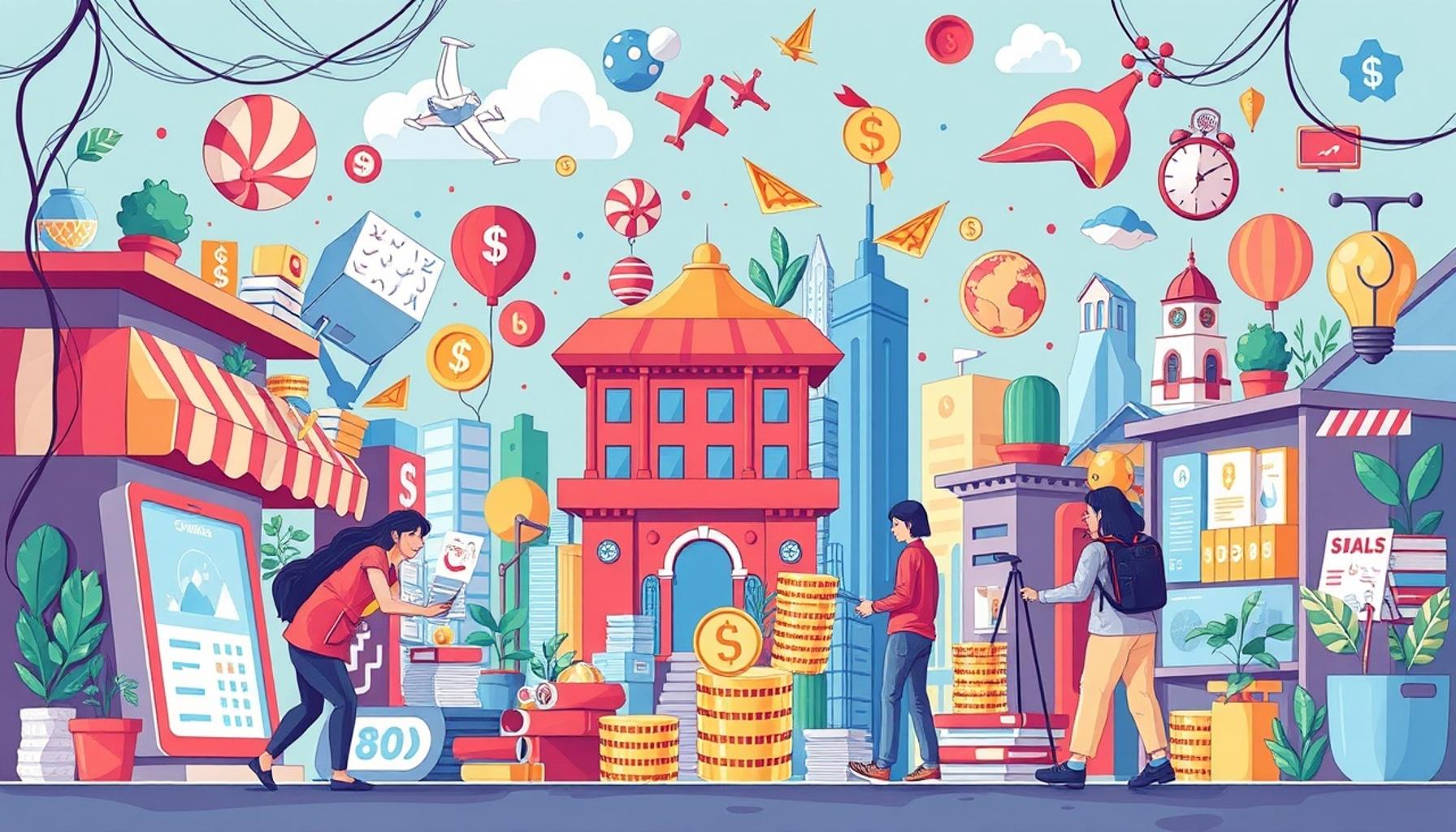
In recent years, startups have emerged as powerful catalysts in reshaping consumer behavior and market dynamics. These innovative companies are not simply introducing new products; they are fundamentally changing how we think about consumption. Their influence is significant, impacting everything from purchasing decisions to sustainability practices and fundamentally altering the way consumers interact with brands and products.
Key Contributions of Startups:
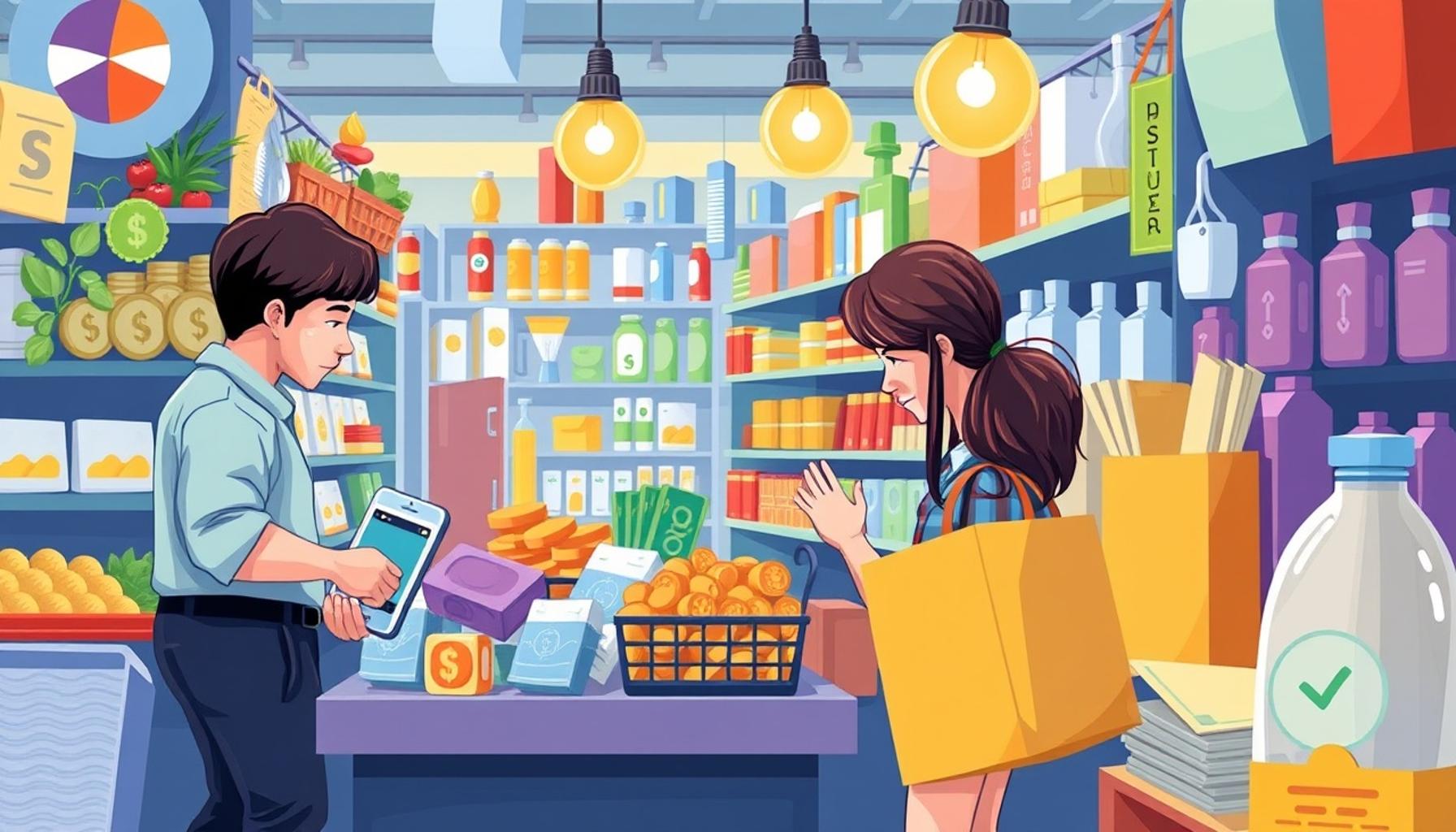
- Technology Integration: Startups leverage cutting-edge technology to enhance user experiences, making shopping easier and more efficient. For example, companies like Instacart have revolutionized grocery shopping by allowing users to order groceries online for delivery or pickup from local stores with just a few clicks on their smartphones.
- Sustainability Initiatives: Many new brands focus on eco-friendly practices, appealing to consumers who prioritize sustainability. Take Allbirds, for instance; they create shoes made from natural materials like merino wool and eucalyptus, showcasing how a brand can thrive while maintaining a commitment to the environment.
- Personalization: By utilizing data analytics, startups offer tailored products and services that meet individual consumer needs. Brands like Stitch Fix use algorithms and customer preferences to provide personalized styling suggestions, ensuring customers receive products that fit their style and size without the hassle of traditional retail shopping.
Examples of disruptive startups include:
- DoorDash: This food delivery service has reshaped how consumers order and enjoy meals, offering a wide variety of local restaurants at their fingertips. The convenience of having food delivered to your door with just a few taps has transformed dining habits for many.
- Warby Parker: This eyewear brand revolutionized shopping with its “home try-on” program, allowing customers to select five pairs of glasses to try at home before making a purchase, thus bridging the gap between online shopping and personal experience.
- Casper: By selling mattresses directly online and offering a generous trial period, Casper changed the way consumers think about purchasing mattresses, making the process hassle-free and significantly more user-friendly.
As these startups continue to innovate, they are not only meeting existing demands but are also creating new markets. For example, the rise of subscription box services like Blue Apron is changing meal preparation by providing consumers with the convenience of pre-measured ingredients delivered to their door, along with easy-to-follow recipes.
Understanding the role of startups in the consumption revolution is crucial for both consumers and businesses alike. This rapidly evolving landscape highlights the importance of adaptability and insight in today’s economy. As consumers become increasingly aware of their choices and values, startups that prioritize transparency, convenience, and sustainability are likely to thrive in the coming years.
DISCOVER MORE: Click here to learn how to apply for an Oportun loan
Innovative Solutions Transforming Consumer Experiences
Startups are at the forefront of the consumption revolution, consistently introducing innovative solutions that redefine how consumers engage with products and services. By prioritizing convenience, efficiency, and personalization, these companies are quickly gaining market share and reshaping traditional industries. One of the most significant aspects of the startups’ contribution is their ability to swiftly adapt to changing consumer preferences, harness emerging technologies, and develop new business models that enhance the overall consumer experience.
Emphasizing Convenience:
In today’s fast-paced world, consumers seek services that save time and reduce effort. Startups have risen to meet this demand by providing easy-to-use applications and platforms. For instance, the rise of companies like Rappi in Latin America highlights how these services allow users to order anything from groceries to household supplies through a single app, bridging the gap between multiple local businesses and consumers. This transformation has made it easier than ever for consumers to access products and services instantly.
Creating Seamless Online Experiences:
The exponential growth of e-commerce has prompted startups to innovate ways to create seamless online shopping experiences. For example, Shopify provides aspiring entrepreneurs with tools to set up their e-commerce stores and reach global audiences without the need for extensive technical knowledge. This accessibility has democratized retail, empowering a new generation of sellers and increasing competition, which ultimately benefits consumers.
Enhancing Customer Engagement:
Another important role of startups is in improving customer engagement through unique marketing approaches. Startups tend to leverage social media and influencer partnerships in novel ways, generating buzz and creating loyal communities around their brands. For example, Mud Water, a coffee alternative startup, successfully engages consumers by building a strong lifestyle brand that resonates with health-conscious individuals. By promoting shared values and a sense of belonging, they are forging deeper connections between consumers and their products.
Innovative Payment Models:
Startups are also exploring various payment models that cater to modern consumer preferences. This includes the rise of buy-now-pay-later services like Klarna and Afterpay. These companies allow consumers to purchase items and pay for them in installments, making high-ticket purchases more accessible. This flexibility not only enhances purchasing power but also drives sales, benefiting both consumers and retailers.
Overall, the innovations brought by startups are not only meeting existing consumer demands but are also encouraging shifts towards greater efficiency, convenience, and engagement in the market. Understanding these contributions is essential for recognizing the profound impact startups have on the consumption landscape, shaping how consumers interact with their choices.
DISCOVER MORE: Click here to learn about the impact of millennials and Gen Z on the market
Disruptive Business Models and Sustainability
Startups are not only introducing new products and services but are also revolutionizing traditional business models to address modern consumer needs. In a world increasingly focused on sustainability, many startups are championing environmentally friendly practices that resonate with a growing segment of socially conscious consumers.
Subscription Services and Convenience:
The rise of subscription services is a prime example of how startups are redefining consumption patterns. Companies like Dollar Shave Club and Blue Apron have transformed the way we purchase everyday items. By offering regular delivery of grooming products or meal kits, they eliminate the need for consumers to visit stores frequently. This subscription model provides convenience and often includes a personalized experience, where the offerings can be tailored to meet individual preferences. Consumers appreciate the time savings and the ability to try new products without the commitment of a one-time purchase.
Sustainable Consumption:
Many startups are leading the charge toward sustainable consumption, reflecting an increasing consumer demand for eco-friendly options. Initiatives like ThredUp, an online thrift store, not only provide lower-cost options but also promote recycling and reducing waste. By facilitating the sale and purchase of second-hand clothing, ThredUp is making it easier for consumers to contribute positively to environmental efforts while enjoying fashionable clothing. This model taps into both the budget-conscious and eco-friendly consumer, signaling a significant shift in how purchasing decisions are influenced by values.
Direct-to-Consumer Models:
The direct-to-consumer (DTC) model has gained popularity among startups by cutting out the middleman and offering products at a lower price point. Startups like Warby Parker and Harry’s exemplify this approach, providing high-quality eyewear and shaving products directly to consumers through online channels. This not only simplifies the shopping experience but also allows for lower prices and enhanced brand loyalty. Consumers benefit from reduced costs while enjoying transparency about product sourcing and manufacturing practices, which aligns with their desire for authenticity.
Leveraging Data for Personalization:
Another significant innovation in the startup ecosystem is the use of data analytics to offer personalized experiences. Companies like Stitch Fix utilize sophisticated algorithms to understand customer preferences and curate clothing selections tailored to individual tastes. By combining human stylists with data-driven insights, they create a unique shopping experience that resonates with consumers looking for convenience and personalized service. This level of customization not only enhances customer satisfaction but also fosters loyalty, as consumers feel seen and valued.
As startups continue to disrupt established industries, they are driving changes that resonate deeply with modern consumers. By providing innovative solutions that prioritize sustainability, convenience, and personalization, startups are not just responding to consumer demands; they are actively shaping a future where the consumption experience is more aligned with the values and expectations of today’s consumers.
DISCOVER MORE: Click here for application details
Conclusion
The impact of startups on the consumption revolution cannot be overstated. Their drive for innovation is not only transforming the marketplace, but also redefining what it means to consume responsibly. Startups such as ThredUp and Warby Parker are leading the charge by promoting sustainability and transparency, responding to the increasing demand for ethical practices among consumers. With their unique business models—from subscription services to direct-to-consumer strategies—these companies are making everyday purchases more convenient, personalized, and aligned with personal values.
Furthermore, the integration of data analytics in startups has redefined customer engagement. By leveraging technology to offer tailored experiences, companies like Stitch Fix are creating a shopping environment where consumers feel understood and valued. This not only boosts satisfaction but also encourages brand loyalty, essential in a market where consumers have endless options at their fingertips.
In conclusion, the innovations spearheaded by startups are not simply altering how products are sold; they are also shifting the core of consumer relationships. As these startups continue to challenge conventions with admirable agility and creativity, we can expect a future where consumption will increasingly reflect the principles of sustainability, personalization, and convenience. It is clear that the role of startups is pivotal in shaping a more conscious and engaged consumer base, heralding a new era in the marketplace.

Linda Carter
Linda Carter is a writer and financial expert specializing in personal finance and financial planning. With extensive experience helping individuals achieve financial stability and make informed decisions, Linda shares her knowledge on our platform. Her goal is to empower readers with practical advice and strategies for saving money, managing budgets, and building long-term financial success.