The Evolution of Data Processing with the Use of Neural Networks
The Evolution of Neural Networks in Data Processing
The field of data processing has witnessed unprecedented advancements in recent years, largely attributed to the proliferation of neural networks. These sophisticated algorithms are designed to replicate the complex interconnections found within the human brain, empowering machines to learn and evolve in ways that were once deemed unattainable. As a result, industries are experiencing a seismic shift, with applications ranging from healthcare diagnostics to customer service automation.
To appreciate this remarkable evolution, it is essential to explore several pivotal milestones that have shaped the development of neural networks:
- Early neural models: The Perceptron, introduced by Frank Rosenblatt in the late 1950s, served as the foundation for later models. It was one of the first algorithms capable of classifying input data into different categories, paving the way for more complex architectures.
- Backpropagation: The release of the backpropagation algorithm in the 1980s was a game-changer for neural networks. This innovation enabled multi-layer networks to adjust their weights during training, significantly improving the learning process and allowing for deeper architectures.
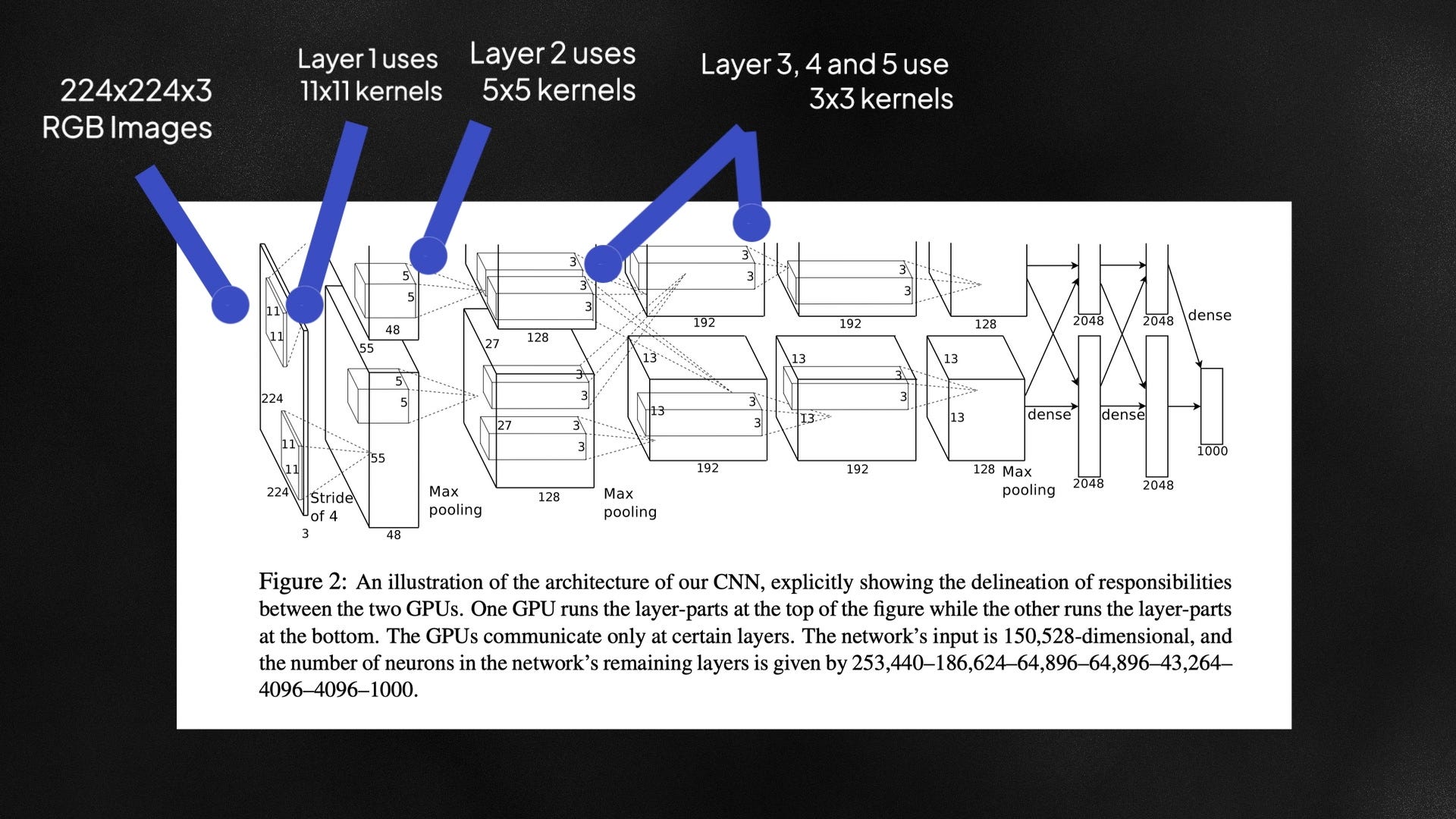
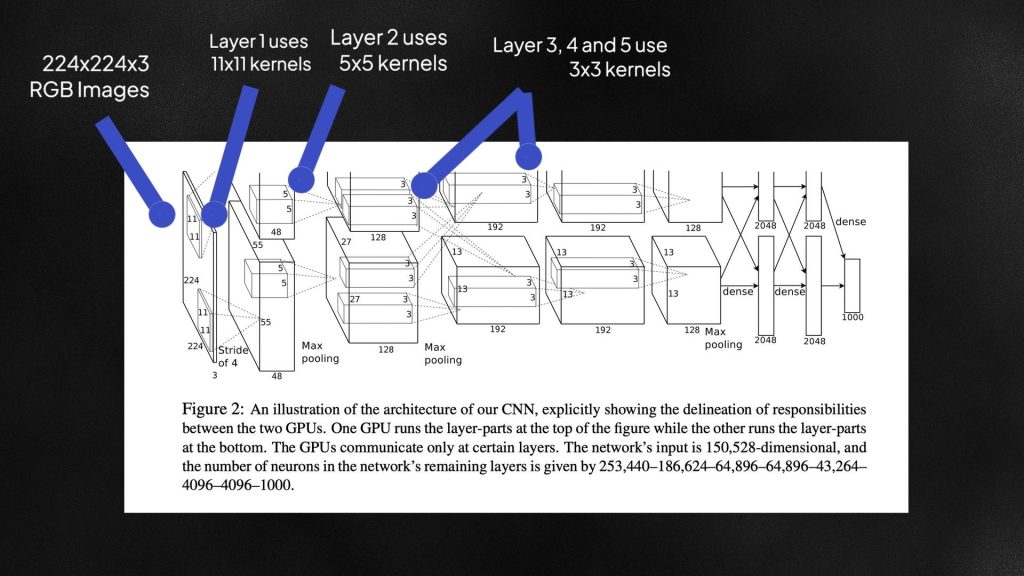
- Rise of deep learning: The 2010s marked the dawn of deep learning, a subtype of machine learning that utilizes large neural networks with many layers. Breakthroughs in this area, such as the development of convolutional neural networks (CNNs) and recurrent neural networks (RNNs), led to remarkable advancements in computer vision and natural language processing. For instance, applications like Google Photos use CNNs to categorize and tag images automatically, while digital assistants like Siri and Alexa leverage RNNs for voice recognition and response.
The implications of these advancements stretch far beyond mere academic curiosity. Businesses across various sectors are now harnessing the power of neural networks to innovate and streamline processes. For example, in the finance sector, organizations employ machine learning algorithms for fraud detection, analyzing vast datasets in real time to spot unusual patterns that may signal illicit activities. These capabilities not only enhance security but also build consumer trust in digital transactions.
Moreover, the automotive industry is on the cusp of a revolution with the integration of neural network technologies into autonomous driving systems. Companies like Tesla leverage neural networks to process sensor data and make real-time decisions about vehicle navigation, ultimately contributing to safer roads and smarter transportation solutions.
As we reflect on the remarkable journey of neural networks, it becomes clear that these advancements are just the beginning. The continuous evolution of technology indicates that the impact of neural networks on data processing will expand even further, potentially reshaping our digital interactions and daily lives. This journey not only illuminates our past but also offers a glimpse into an exciting and innovative future.
DISCOVER MORE: Click here to learn about machine learning algorithms
Pioneering Technologies and Their Impact on Data Processing
The evolution of neural networks has been fueled by an array of pioneering technologies that have enhanced data processing capabilities across various sectors. Key developments in computer science, hardware improvements, and availability of large datasets have converged to lead us to a new era where machines can not only process data but also learn from it dynamically. This shift is changing the landscape of information technology in ways that were previously unimaginable.
Architectural Innovations: The design of neural networks plays a crucial role in their effectiveness. Innovations such as Convolutional Neural Networks (CNNs) and Long Short-Term Memory (LSTM) networks have drastically improved the capabilities of data processing. CNNs are particularly well-suited for image recognition tasks, allowing applications to not only detect faces but also identify objects within images with a high degree of accuracy. This advancement has had significant ramifications in areas such as security surveillance and autonomous vehicle navigation.
LSTMs, on the other hand, have revolutionized how machines understand sequential data. With applications in areas like time-series forecasting and language translation, these networks are capable of maintaining information across long sequences. This unprecedented ability enhances the way data is processed, especially in fields requiring a context-aware decision-making process, such as finance and real-time language interpretation.
Another facet of this evolution is the increasing significance of Big Data. The surge in data availability has provided neural networks the fuel they need to learn and enhance their predictive capabilities. Today, businesses can harness immense amounts of data—from social media interactions and e-commerce transactions to sensor data from IoT devices. With advanced data processing techniques powered by neural networks, organizations can leverage this information for various applications, including personalized marketing strategies and customer insights.
- Advancements in Computational Power: The development of Graphics Processing Units (GPUs) has drastically accelerated the training of neural networks. This leap in computing power enables faster processing of extensive datasets, making deep learning feasible.
- Access to Cloud Computing: The rise of cloud computing has democratized access to powerful computing resources, allowing organizations of all sizes to employ neural networks without significant upfront investments in hardware.
- Open Source Frameworks: Innovative open-source platforms like TensorFlow and PyTorch have made it easier for developers to build and iterate on neural network models, fostering a vibrant community focused on ongoing research and development.
With this perfect storm of innovation, the implications for industries are astounding. Healthcare is experiencing a transformative wave as predictive analytics powered by neural networks enables early diagnosis and personalized treatment plans. For example, companies employing neural network algorithms can analyze medical imaging data with astonishing accuracy, assisting radiologists in identifying potential health issues much faster than traditional methods.
As we delve deeper into the nuances of how neural networks shape data processing, it becomes evident that we are merely scratching the surface of what is possible. The journey of these algorithms has positioned society for tremendous growth, unlocking new potentials and ultimately redefining the boundaries of what machines can achieve in the realm of data processing.
| Advantage | Description |
|---|---|
| Increased Accuracy | Neural networks excel in pattern recognition, allowing for precise data analysis across various applications. |
| Scalability | Neural networks can process vast amounts of data simultaneously, making them ideal for big data environments. |
| Flexibility | They can be adapted to a variety of tasks, from image recognition to natural language processing, showcasing versatility. |
| Real-Time Processing | Neural networks enable real-time data processing, enhancing decision-making capabilities in fast-paced environments, such as finance and healthcare. |
As the field of data processing continues to grow, the application of neural networks stands at the forefront of technological evolution. By leveraging their computational power to analyze data more effectively, industries ranging from finance to healthcare can derive profound insights, driving innovation and efficiency. The unique architecture of neural networks allows them to learn from vast datasets, leading to continuous improvement and adaptation. This attribute is particularly beneficial for functions such as predictive analytics, where future trends can be forecasted with remarkable accuracy. As we delve deeper into the intricacies of neural networks, understanding their transformative potential is vital for anyone looking to stay at the cutting edge of data processing advancement.
DIVE DEEPER: Click here to learn more about ethics and transparency in machine learning
Neural Networks in Action: Real-World Applications
As neural networks continue to evolve, their applications manifest in various sectors, illustrating their profound impact on data processing. The transformative nature of these systems has introduced innovative solutions, fundamentally changing how businesses operate and societies function. These modern algorithms have proven remarkably effective across diverse fields, from entertainment to finance, demonstrating the versatility of neural networks in processing vast amounts of data.
The Entertainment Industry: The integration of neural networks into the entertainment industry showcases their capability to enhance user experiences. Streaming platforms like Netflix and Spotify now leverage recommendation algorithms powered by neural networks. By analyzing user viewing and listening patterns, these systems can predict preferences, thereby delivering personalized content that keeps users engaged. Consequently, this tailored approach has not only increased viewer retention rates but also optimized content discovery, allowing consumers to navigate vast libraries effortlessly.
Finance and Fraud Detection: The financial sector is another area where neural networks are making substantial strides. Banks and financial institutions are increasingly utilizing these algorithms to detect fraudulent activities. Neural networks can analyze transactional data in real-time, identifying patterns that may indicate fraud, such as unusual transaction behavior. For example, if a user typically makes small purchases but suddenly attempts a large transaction, neural networks can flag this for further investigation. This proactive approach helps mitigate risks and protect consumers, illustrating the critical role of advanced data processing techniques in safeguarding financial integrity.
Natural Language Processing (NLP): One of the more fascinating applications of neural networks is in Natural Language Processing. The ability of LSTMs and transformer models, such as BERT and GPT, to process and generate human-like text reflects significant advancements in data processing capabilities. These models can perform various tasks, including sentiment analysis, chatbots for customer service, and even automated news summarization. Companies like Google and OpenAI have leveraged these breakthroughs to improve human-computer interaction, making technology more intuitive and accessible.
- Healthcare Diagnostics: Beyond imaging, neural networks assist in analyzing genetic data and predicting disease susceptibility, facilitating preventative healthcare measures.
- Smart Cities: Cities are incorporating neural networks into traffic management systems, optimizing flow patterns based on real-time data to reduce congestion and enhance public transport efficiency.
- Predictive Maintenance: Industries employing machinery are utilizing neural networks to forecast equipment failures, thereby preventing downtime and increasing operational efficiency through data-driven insights.
Consider how self-driving cars are reshaping transportation. These vehicles rely heavily on neural networks to process data from various sensors, including cameras and LiDAR, to interpret their surroundings in real time. By recognizing objects like pedestrians and other vehicles, these deep learning systems ensure safe navigation. The implications of this technology extend beyond comfort and convenience; they promise to increase safety on the roads and reduce traffic fatalities.
Furthermore, the environmental sector benefits from data processing via neural networks in predicting climate patterns and optimizing energy consumption. The ability to analyze complex datasets enhances the understanding of environmental changes, leading to more informed decision-making around sustainability practices.
As neural networks continue to advance, their intersection with data processing opens doors to previously unimaginable opportunities. The ongoing research in this domain indicates that we are entering an age where AI-driven insights will not just complement human efforts but will significantly redefine our capabilities to analyze, predict, and act on vast streams of data.
LEARN MORE: Click here to dive deeper
Conclusion: A New Era of Data Processing
In the ever-evolving landscape of technology, neural networks stand out as a hallmark of innovation in data processing. As we explore their diverse applications, from transforming entertainment consumption to enhancing fraud detection and revolutionizing natural language interactions, it becomes increasingly evident that these intelligent systems are reshaping industries with remarkable efficiency. The depth of their impact extends beyond mere automation; neural networks empower organizations by providing data-driven insights that facilitate proactive decision-making and drive growth.
With advancements in fields such as healthcare diagnostics and smart city planning, we see how neural networks not only enhance operational efficiency but also play a crucial role in societal improvements. Their application in predictive maintenance highlights an emerging synergy between reliability and technology, allowing industries to minimize downtime and optimize resources effectively. Furthermore, the potential implications for self-driving cars and environmental monitoring hint at a future characterized by safer, more sustainable solutions.
As we witness the evolution of data processing through the lens of neural networks, it becomes apparent that we are entering an era where artificial intelligence does more than just support human capabilities—it actively transforms them. This ongoing journey promises to align artificial intelligence with our quest for knowledge, offering exciting possibilities for future innovation. For those eager to understand the profound implications of this technology, exploring neural networks is not just a choice but a gateway to engaging with the future of data processing. Embrace the evolution, as the power of neural networks is just beginning to unfold.

Linda Carter
Linda Carter is a writer and artificial intelligence enthusiast specializing in AI tools, emerging technologies, and digital innovation. With extensive experience helping individuals understand and apply artificial intelligence in practical ways, Linda shares her knowledge on our platform. Her goal is to empower readers with useful insights, inspiring ideas, and step-by-step guidance for navigating the evolving world of AI with confidence.