Menu

The Role of Automation in Data Processing for Artificial Intelligence

Automation is revolutionizing data processing for artificial intelligence, enhancing efficiency, speed, and accuracy across industries. By streamlining data collection, cleaning, and model training, organizations can leverage massive datasets effectively, enabling informed decision-making and continuous learning while addressing ethical concerns. The future of AI relies on responsible automation practices.

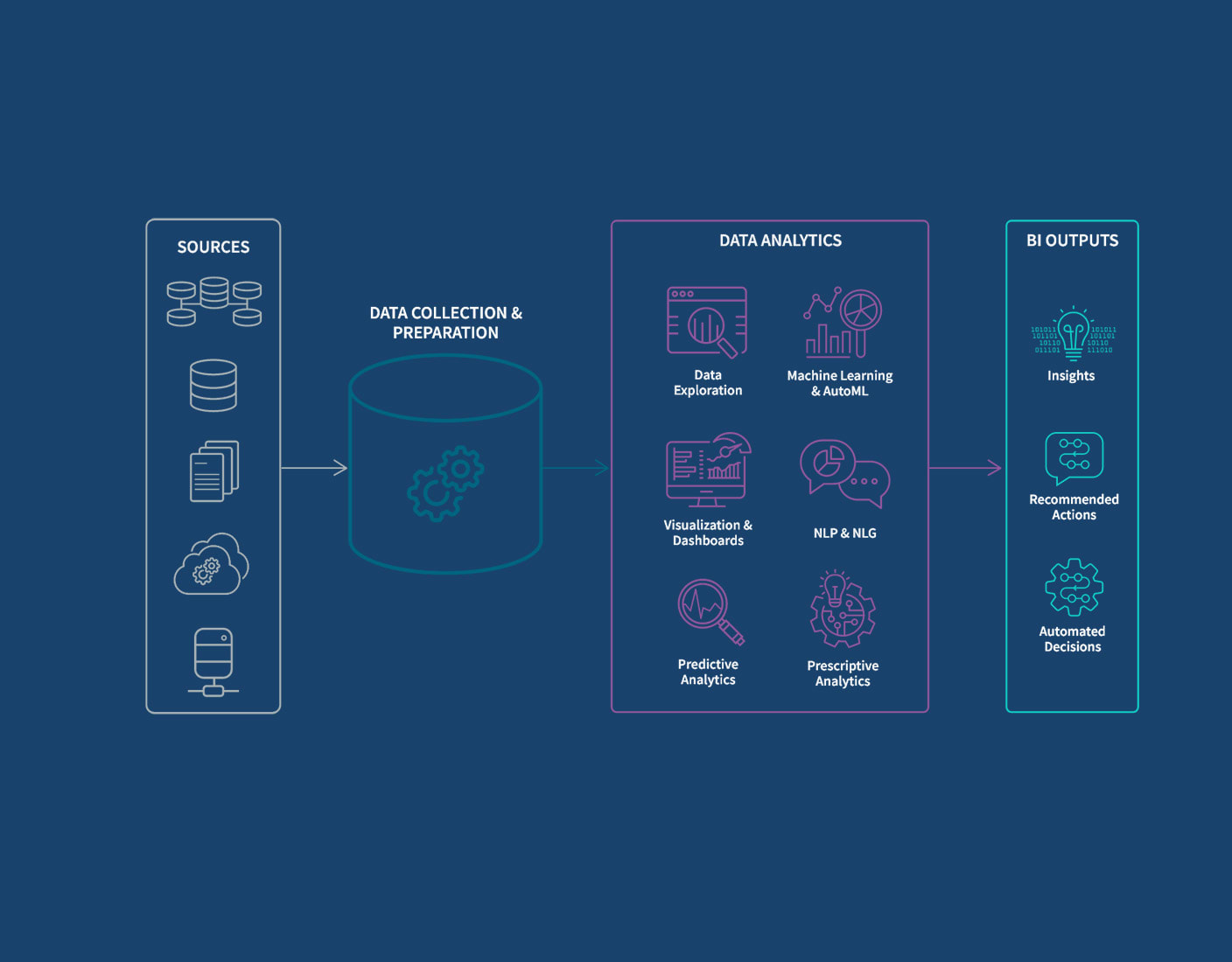
Comparison between Traditional Methods and AI-Based Data Processing Techniques

The article explores the significant differences between traditional data processing methods and AI-based techniques. It highlights traditional methods' limitations, including human error and slow analysis, while emphasizing AI's advantages, such as automation, real-time insights, and predictive analytics, which enhance operational efficiency and decision-making in today’s data-driven landscape.

The Evolution of Data Processing with the Use of Neural Networks

Recent advancements in neural networks have revolutionized data processing across industries. From enhancing healthcare diagnostics to driving automation in finance and transportation, these intelligent systems improve efficiency and decision-making. As technology evolves, the potential applications of neural networks continue to expand, transforming our digital interactions and innovative capabilities.

The Importance of Data Quality in Processing for Artificial Intelligence Models

Data quality is essential for the success of artificial intelligence models, influencing accuracy, reliability, and decision-making. Organizations must prioritize rigorous data governance frameworks and foster a culture of awareness to ensure high-quality data, which ultimately enhances AI's effectiveness and supports informed, transformative innovations across industries.

The Impact of Real-Time Data Processing on Artificial Intelligence Decision Making

The integration of real-time data processing with artificial intelligence enhances decision-making accuracy and adaptability across industries. By enabling immediate responses to evolving conditions, organizations improve efficiency, customer experiences, and operational capabilities. Addressing challenges like data quality and infrastructure is essential for maximizing the benefits of this transformative synergy.

Ethical Challenges in Data Processing for Artificial Intelligence Systems

As AI systems increasingly shape various sectors, ethical challenges in data processing—such as data privacy, bias, and accountability—demand urgent attention. Addressing these concerns is crucial for fostering equitable and transparent AI technologies that respect individual rights and promote responsible innovation in our rapidly evolving digital landscape.

Integration of Cloud Data Processing with Artificial Intelligence for Large-Scale Data Analysis

The integration of cloud data processing with artificial intelligence revolutionizes large-scale data analysis, enhancing scalability, accessibility, and real-time insights. This synergy empowers organizations to improve decision-making, streamline operations, and unlock innovative potential across sectors like healthcare and finance, while addressing data quality and security challenges.

The Role of Big Data in Increasing the Accuracy of AI Algorithms

The symbiotic relationship between big data and AI algorithms enhances accuracy across various industries. By leveraging extensive, diverse datasets, organizations unlock predictive insights and improve operational efficiency. However, challenges like data quality and ethical concerns must be addressed to fully harness the potential of big data in refining AI performance.

The Future of Data Processing: How AI is Transforming Predictive Analysis

Artificial intelligence is revolutionizing predictive analysis, enabling businesses to extract real-time insights from massive data sets. By improving accuracy and automating processes, AI enhances decision-making in sectors like finance, retail, and healthcare. This transformation not only streamlines operations but also fosters competitive advantages in an increasingly data-driven landscape.

Advanced Data Processing Techniques for Machine Learning

In the era of big data, advanced data processing techniques for machine learning are essential for organizations. These methodologies enhance efficiency, scalability, and accuracy in deriving insights, empowering businesses to remain competitive. By leveraging innovative strategies like feature engineering and data transformation, companies can unlock substantial value and drive informed decision-making.