Comparison between Traditional Methods and AI-Based Data Processing Techniques

The Transformation of Data Processing in the Digital Age
The landscape of data processing is undergoing a revolutionary transformation. As organizations strive to keep pace with rapid technological advancements and increasing data volumes, the reliance on conventional processing methods is being scrutinized. The integration of AI-based data processing techniques is not merely a trend; it’s becoming essential for businesses aiming to remain competitive.
Traditional data processing methods have served their purpose over the years, yet they come with notable drawbacks. For instance, manual data entry remains prevalent in many sectors, despite being heavily criticized for its susceptibility to human error. The chances of mistakes can lead to significant inaccuracies, with consequences that ripple through operational efficiency and decision-making accuracy. A 2021 study from the American Association of Data Scientists highlighted that inaccuracies in data entry could cost businesses upwards of $3 trillion annually in the United States alone.
Moreover, batch processing can hinder timely responses to market changes by queuing data for processing, which can result in delays in decision-making. This is particularly critical in industries that thrive on real-time data, such as finance and e-commerce. For example, financial institutions that rely on traditional batch processing may miss out on crucial market opportunities compared to those employing AI-driven systems that can analyze and respond to data as it flows in.
While traditional methods have their limitations, AI-driven approaches provide numerous advantages that modern organizations are beginning to embrace wholeheartedly. One significant benefit is automation. Automating data processing tasks not only minimizes manual input but also drastically enhances overall accuracy and speed, allowing teams to focus on more strategic initiatives. Applications such as chatbots for customer service and automated reporting software exemplify this shift toward automation.

Additionally, real-time analysis is a game changer. AI systems equipped with advanced algorithms can process vast amounts of data instantaneously. This capability enables businesses to secure insights that are not just timely but also predictive. Companies like Amazon employ these AI technologies to analyze customer behavior in real time, allowing for personalized marketing strategies that can yield higher conversion rates.
Another remarkable innovation that AI brings is machine learning. This technology allows systems not only to process data but to learn and adapt from it over time. For instance, in healthcare, machine learning algorithms can analyze medical records to identify patterns that assist in early disease detection, significantly improving patient outcomes.
As organizations across the United States integrate these AI-based techniques into their operations, understanding the stark contrasts between traditional methods and innovative practices becomes vital. The integration of these sophisticated techniques holds the potential to redefine industries, streamline operations, and foster growth. This exploration of evolving data processing paradigms invites you to unearth the profound impacts that AI-driven solutions will continue to have on the future of business.
DISCOVER MORE: Click here to dive deeper
Understanding Traditional Methods and Their Limitations
To appreciate the advancements offered by AI-based data processing techniques, it is crucial to first understand the traditional data processing methods that have dominated the landscape for decades. Traditional methods, primarily rooted in manual operations and sequential processing, are often characterized by their structured yet inflexible nature. While these approaches have laid the groundwork for how businesses handle data, they also reveal several inherent limitations that can impede growth and efficiency.
One of the most glaring drawbacks of traditional data processing is its reliance on manual workflows. This human-centered approach is time-consuming, often leading to significant backlogs and delays in data availability. Moreover, the risk of human error is omnipresent. According to the National Institute of Standards and Technology, approximately 88% of spreadsheet errors arise from data entry mistakes, which can lead to misguided business decisions. Such inaccuracies can have dire consequences, particularly in sectors requiring precision, such as finance and healthcare.
Another challenge faced by traditional methods is their inability to provide real-time data insights. Conventional data processing typically involves batch processing, where data sets are collected over time and processed in intervals. This can create a lag in data analysis and response, hampering an organization’s ability to make timely and informed decisions, especially in dynamic industries. For instance, retail chains utilizing traditional processing might miss seasonal trends that could be capitalized on when data insights offered are too delayed.
Furthermore, traditional methods often lack the capabilities to perform complex analyses over large datasets efficiently. As businesses rapidly accumulate more data—from customer interactions to operational metrics—the sheer volume can overwhelm traditional systems. A report by McKinsey & Company states that organizations that harness big data analytics can improve their operating margins by up to 60%. This reality raises the question: how can companies leverage data effectively if their processing methods aren’t up to the task?
The Shift Towards AI-Based Data Processing Techniques
In contrast to traditional methods, AI-based data processing techniques introduce a level of sophistication that enables organizations to navigate the complexities of modern data landscapes effectively. Key features of AI-driven systems include:
- Enhanced Data Accuracy: By minimizing human involvement and using algorithms to process data, AI systems drastically reduce error rates.
- Speed and Efficiency: AI can analyze large volumes of data in real time, allowing businesses to make agile decisions based on up-to-the-minute insights.
- Predictive Analytics: Machine learning capabilities enable predictive models, giving organizations foresight into trends and behaviors that can inform strategic planning.
- Scalability: AI systems can adapt to increasing amounts of data with ease, ensuring that organizations are prepared for future growth.
As businesses increasingly transition from traditional data processing methods to AI-based solutions, they are unlocking a treasure trove of opportunities for innovation, efficiency, and enhanced decision-making. Understanding these differences not only highlights the relevance of AI in today’s business climate but also underscores the need for companies to evolve their data strategies in an effort to thrive in a continuously changing market.
Comparison between Traditional Methods and AI-Based Data Processing Techniques
As we delve deeper into the world of data processing, the distinction between traditional methods and AI-based techniques becomes clearer. Traditional data processing methods have long been the foundation of data analysis, relying on established techniques and practices. These methods typically involve manual input and basic statistical tools, which can be time-consuming and error-prone.
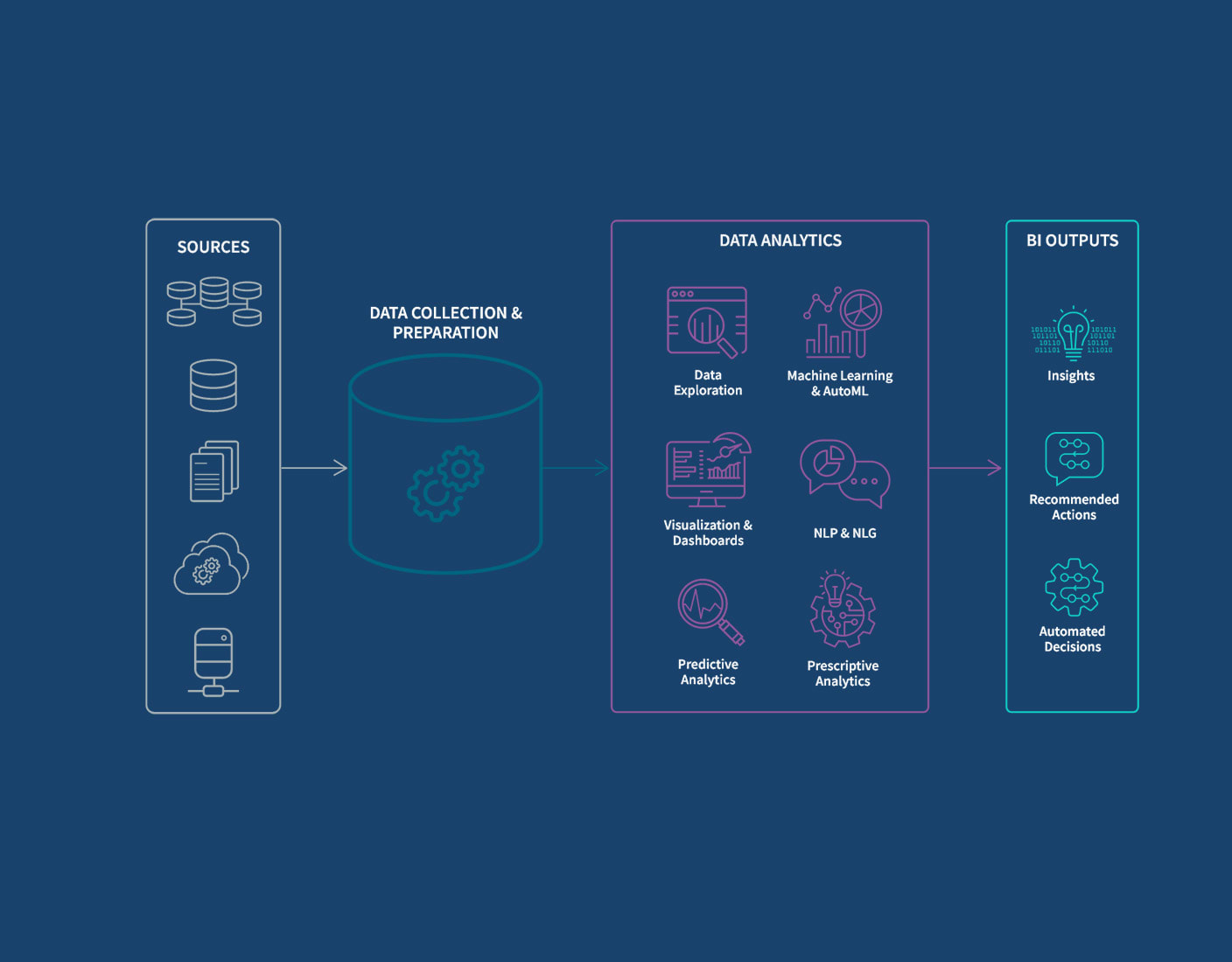
On the other hand, AI-based data processing techniques leverage advanced algorithms and machine learning to automate and enhance this process. The ability of AI to analyze vast amounts of data in real-time opens up new possibilities for businesses looking to gain insights and make informed decisions quickly. Here, we present a detailed comparison between the two approaches in a structured manner.
| Category | Advantages |
|---|---|
| Efficiency | AI can process large datasets much faster than traditional methods, reducing the time needed for data analysis and enhancing productivity. |
| Accuracy | AI reduces human error and improves the accuracy of data analysis by learning from patterns and continuously refining its algorithms. |
| Scalability | AI systems can easily scale to accommodate growing volumes of data without the need for significant changes in infrastructure. |
| Insight Generation | AI algorithms can identify trends and correlations in data that may not be apparent through traditional analysis methods, providing deeper insights. |
This table illustrates just a few of the key advantages of AI-based data processing techniques over traditional methods. By embracing these innovations, organizations can not only keep up with the rapid advancements in technology but also position themselves to thrive in a competitive landscape. To fully appreciate the potential of AI in transforming data processing, exploring individual applications and case studies could offer even greater insights.
EXPLORE MORE: Click here to dive deeper
Advantages of AI-Based Data Processing Techniques
The transformative power of AI-based data processing techniques is increasingly evident in a multitude of sectors, with organizations harnessing advanced algorithms and machine learning to revolutionize their data management practices. By addressing the limitations of traditional methods, AI solutions offer an array of advantages that not only enhance operational efficiency but also foster innovation and creativity across various business landscapes.
One significant benefit of AI data processing is its capability for automation. Routine and repetitive tasks, such as data entry, cleansing, and formatting, can be automated, freeing human resources to focus on more strategic initiatives. According to a report by Deloitte, organizations that implement automation in their data workflows can experience a productivity boost of up to 40%. This increased efficiency can lead to faster project completion times, ultimately yielding improved customer satisfaction and retention.
A further notable advantage lies in the realm of data integration. AI systems are designed to handle diverse data sources—ranging from structured databases to unstructured data like social media posts or customer feedback. This flexibility allows organizations to gain a holistic view of their operations. For instance, companies like Amazon leverage AI to analyze customer behavior across various touchpoints, integrating data from sales, website interactions, and customer reviews. The result is a more comprehensive understanding of consumer needs and enhanced personalization of services.
The enhanced predictive capabilities provided by AI are also worth highlighting. Traditional methods might analyze historical data to forecast future trends, but AI can interpret vast amounts of real-time information, enabling organizations to proactively respond to market changes. Take, for example, the fashion retail industry, where AI-driven systems can predict trends by analyzing social media feeds, sales patterns, and even influencer marketing activities. This foresight affords businesses a competitive edge, as they can optimize inventory and marketing strategies in line with anticipated consumer demand.
Moreover, AI-based techniques enable organizations to perform complex analyses that were previously unfeasible due to time or resource constraints. For example, Netflix employs machine learning algorithms to analyze viewer preferences at scale. This enables the streaming platform to tailor recommendations for individual users, significantly enhancing viewer engagement and satisfaction. As organizations harness such capabilities, they are empowered to derive actionable insights that drive growth and adaptability.
The Role of Big Data in AI-Driven Processing
A major enabler of AI data processing techniques is the surge in big data availability. With vast amounts of data generated daily—from social media interactions, IoT devices, and online transactions—organizations now face the challenge of sifting through this wealth of information. Traditional methods lack the scalability required to analyze big data efficiently; however, AI technologies such as natural language processing (NLP) and deep learning allow for the extraction of meaningful patterns and insights from complex datasets.
The intersection of AI and big data is a game-changer for industries such as healthcare. In medical fields, AI-powered analytics can process patient records, clinical studies, and genomic data to uncover trends that assist with patient diagnosis and treatment plans. An extensive study published in the Journal of Medical Internet Research found that machine learning has the potential to improve clinical decision-making by reducing diagnostic errors by an estimated 20%, allowing physicians to provide more tailored and effective care.
As both traditional and AI-based data processing techniques evolve, it’s clear that the integration of AI solutions will be key to future-proofing business operations. The shift towards an AI-driven landscape will not only bolster productivity and innovation but also redefine how organizations interpret and utilize data in a fast-paced world. As businesses assess their data strategies, understanding the dynamic interplay between these approaches will be vital in navigating the challenges of the modern market.
DISCOVER MORE: Click here to delve deeper
Conclusion: Embracing the Future of Data Processing
In the dynamic realm of data processing, the contrast between traditional methods and AI-based techniques becomes increasingly pronounced. While traditional methods paved the way for current data management practices, their limitations—especially in terms of scalability, efficiency, and adaptability—highlight the pressing need for innovation. Conversely, AI-driven solutions are not merely an augmentation of existing processes; they represent a fundamental shift in how organizations harness data to fuel growth and enhance decision-making.
The advantages of AI are manifold: from automation that liberates human capital for more strategic pursuits to sophisticated predictive analytics that empower businesses to anticipate market trends, AI unlocks a new dimension of operational excellence. Additionally, through adept data integration, organizations can weave together insights from disparate sources, crafting a comprehensive narrative of customer needs and behaviors. This is particularly essential in an age defined by big data, where the ability to swiftly analyze vast information sets can provide a competitive advantage.
As companies increasingly recognize the potential of AI-based data processing, the challenge lies not in choosing between the old and the new, but in blending these approaches to maximize their strengths. Organizations that embrace this hybrid model will not only optimize their current operations but also position themselves to adapt to future challenges in an ever-evolving marketplace. As we move forward, understanding the nuanced comparison between these methods will be vital for businesses aiming to thrive in the technology-driven era.

Linda Carter
Linda Carter is a writer and artificial intelligence enthusiast specializing in AI tools, emerging technologies, and digital innovation. With extensive experience helping individuals understand and apply artificial intelligence in practical ways, Linda shares her knowledge on our platform. Her goal is to empower readers with useful insights, inspiring ideas, and step-by-step guidance for navigating the evolving world of AI with confidence.