Machine Learning in Smart Cities: Transforming Data into Urban Solutions

Harnessing Data-Driven Innovations for Urban Development
In today’s rapidly evolving urban landscapes, cities are becoming data-rich environments, filled with opportunities to enhance the quality of life for residents. Through the implementation of machine learning technologies, urban planners and policy-makers are now equipped with advanced tools that enable them to decipher complex datasets and make informed decisions that cater to the needs of their communities. This technological revolution is not just a passing trend; it is fundamentally transforming urban functionality and living standards.
The impacts of machine learning in urban settings are vast and varied, significantly influencing several critical areas:
- Traffic Management: By utilizing real-time data analysis from sensors, cameras, and smart traffic signals, cities can optimize traffic flow to reduce congestion. For instance, cities like Los Angeles have begun implementing adaptive traffic signal systems that adjust in response to real-time traffic conditions, potentially decreasing travel times and emissions.
- Waste Management: Smart waste bins that feature sensors can detect their fill levels, allowing waste management agencies to schedule collection only when necessary. This approach not only saves resources but also promotes a cleaner environment. In San Francisco, for instance, the integration of smart bins has led to over 50% reduction in unnecessary collection trips.
- Public Safety: Predictive policing employs machine learning algorithms to analyze previous crime data and identify hotspots, helping law enforcement agencies allocate resources more effectively. Cities like Chicago have implemented such models, leading to a more proactive approach in their crime-fighting strategies.
These examples illustrate how data-driven solutions are addressing complicated challenges faced by urban areas. Beyond just optimizing traffic patterns and enhancing waste collection, machine learning applications are significantly improving public transportation systems, helping reduce energy consumption, and streamlining emergency response times—areas that are crucial for maintaining the infrastructure of bustling urban centers.
As we continue to explore the transformative potential of machine learning, its role in developing smarter and more resilient cities becomes increasingly evident. This technological shift not only facilitates operational efficiency but also embraces the ethos of sustainable development, aiming to create urban environments that are more livable, equitable, and adaptable to change.
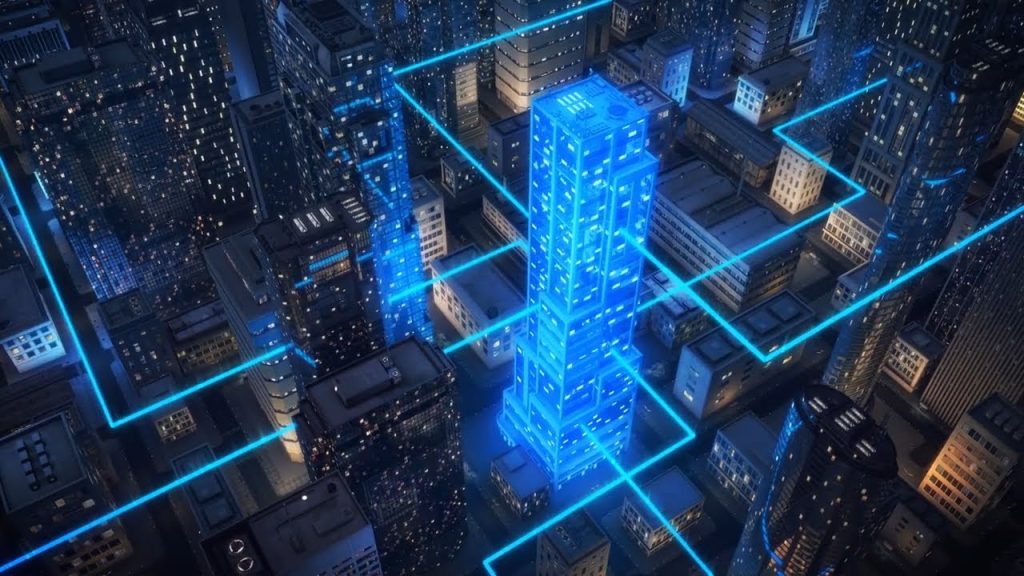
With ongoing advancements and investments in this field, the possibilities are exhilarating. City planners and developers must now stay ahead of the curve, embracing the data-driven future that promises to redefine our urban experience. As communities adapt to these changes, residents can look forward to more connected, efficient, and safer cities that respond to their needs dynamically.
EXPLORE MORE: Click here to discover the future trends in machine learning for medical diagnosis
Revolutionizing Urban Infrastructure through Predictive Analytics
As cities continue to grow, the increasing demand for efficient infrastructure opens the door for transformative change via machine learning. One of the key advantages of machine learning is its ability to process vast amounts of data in real-time, which is essential in managing urban infrastructure effectively. By leveraging predictive analytics, urban areas can not only anticipate needs but also create strategies to meet them proactively.
For instance, in the realm of public transportation, cities across the United States are employing machine learning algorithms to enhance the reliability and efficiency of bus and train services. By analyzing passenger flow data and commuter patterns, transit authorities can optimize routes and schedules in real-time. A notable example is New York City’s Metropolitan Transportation Authority (MTA), which has embraced data analytics to improve service frequency during peak hours, ultimately resulting in a more reliable transit experience.
Moreover, energy management is another critical area benefiting from machine learning technologies. Smart grids empowered by machine learning algorithms can analyze energy consumption patterns and predict peak usage times. This allows utility companies to distribute energy more efficiently, reducing costs and minimizing waste. Cities like San Diego have taken proactive measures by implementing smart energy systems, leading to a decline in energy consumption by nearly 15% during peak periods, showcasing the potential for significant economic and environmental impact.
In addition, machine learning is playing a pivotal role in enhancing urban health systems. By integrating health data with environmental and demographic information, cities can identify health trends and potential risks more effectively. For example, cities like Atlanta have utilized machine learning to monitor the spread of mosquito-borne diseases, enabling timely public health interventions and improving community health outcomes.
The multifaceted applications of machine learning highlight its importance in creating smarter urban environments. Here are several key advantages:
- Efficiency: Machine learning optimizes resource allocation across various sectors, including transportation, energy, and healthcare.
- Data-Driven Decision-Making: Enhanced analytics provide city planners and officials with actionable insights, enabling them to make informed decisions based on empirical evidence.
- Sustainability: By utilizing machine learning, cities can develop sustainable practices that optimize resource usage while minimizing environmental impact.
- Responsive Governance: Machine learning can help governments respond to emergencies more rapidly and effectively, improving citizen safety and trust in public services.
As urban populations continue to swell, the integration of machine learning technologies becomes indispensable in navigating complex urban challenges. The immediate benefits we witness today serve as merely the beginning. With ongoing advancements in algorithms and data capabilities, urban areas are poised for a future where machine learning not only predicts urban challenges but also actively contributes to innovative and sustainable solutions.
| Advantage | Impact |
|---|---|
| Optimized Resource Management | Machine learning algorithms analyze data to enhance energy consumption, waste management, and transportation, resulting in more efficient use of urban resources. |
| Improved Public Safety | By leveraging predictive analytics, cities can proactively address crime patterns, ensuring higher safety levels for residents and visitors. |
Machine learning is revolutionizing urban life through data-driven decision making in smart cities. The ability to collect and analyze vast amounts of data plays a crucial role in finding innovative solutions to traditional urban challenges. With advanced technologies, problems that once seemed insurmountable can be resolved effectively, paving the way for a sustainable urban future.In addition to resource management and public safety, the integration of machine learning helps optimize traffic flow, reducing congestion and minimizing commute times. Smart transportation systems analyze real-time data to adjust traffic signals and reroute vehicles, improving overall city infrastructure. Furthermore, machine learning applications in healthcare can enhance community health initiatives by predicting outbreaks and allocating medical resources more effectively.As cities evolve, embracing machine learning will undoubtedly provide benefits that surpass traditional urban planning methods, creating smarter, safer, and more resilient communities. The transformation into smart cities marks a new era, where data plays a pivotal role in shaping our urban landscapes.
DISCOVER MORE: Click here to learn about ethics and transparency in machine learning
Enhancing Urban Safety and Security with Intelligent Systems
The integration of machine learning technologies in smart cities extends far beyond infrastructure and resource management; it plays a vital role in shaping urban safety and security. With cities facing complex challenges ranging from petty crime to terrorism, leveraging data analytics is increasingly becoming a cornerstone of urban policing strategies. Predictive policing, driven by machine learning algorithms, uses historical crime data to identify patterns and anticipate future incidents, allowing law enforcement agencies to allocate resources more effectively. Cities such as Los Angeles have implemented predictive policing practices that analyze past crime location and timing to identify hotspots, improving response times and actively engaging communities in safety initiatives.
Furthermore, surveillance systems equipped with facial recognition and machine learning capabilities are revolutionizing urban security. These systems can analyze video feeds in real-time, alerting authorities to suspicious activities immediately. While privacy concerns are paramount, careful implementation can safeguard public areas while allowing cities to better respond to emergencies. For example, Chicago has adopted advanced surveillance technologies that integrate machine learning, leading to a significant decrease in violent crimes in certain neighborhoods.
Another significant application of machine learning in urban safety is disaster preparedness and management. By analyzing data related to natural disasters, such as floods, earthquakes, and wildfires, machine learning algorithms can predict potential risks and help governments devise effective prevention strategies. In cities like San Francisco, machine learning models analyze seismic data to improve early warning systems for earthquakes, allowing residents to take preventive measures and reduce potential losses.
As urban areas increasingly face the ramifications of climate change, machine learning also contributes to public safety by optimizing response mechanisms during extreme weather events. Through historical weather patterns and real-time climate data analysis, municipalities can better understand and manage flooding, heatwaves, and other climate-related incidents. New Orleans, for instance, has used machine learning algorithms to enhance its flood response, ensuring that evacuation routes are clearly defined and setting up timely alerts based on predictive weather patterns.
Moreover, the intersection of machine learning and urban mobility enhances not just transportation but significantly contributes to safety on roads. Predictive analytics can identify traffic congestion, accidents, or unsafe driving conditions in real-time, allowing municipalities to communicate critical information to drivers. In cities like Las Vegas, AI-driven traffic management systems utilize historical traffic data and environmental factors to minimize accidents at major intersections, effectively reducing casualties and improving overall traffic flow.
The benefits of incorporating machine learning technologies into urban safety and security frameworks warrant attention:
- Proactive Crime Prevention: Advanced analytics allow for targeted interventions, reducing the crime rate and enhancing community safety.
- Efficient Resource Allocation: Real-time data insights enable law enforcement and emergency services to deploy resources where they are most needed.
- Improved Public Trust: By employing transparent machine learning applications, cities can foster trust and collaboration between residents and local authorities.
- Enhanced Emergency Response: Timely access to data facilitates immediate action during crises, ultimately saving lives.
With these intelligent systems in place, cities can foster a more resilient and secure urban environment, illustrating that machine learning is not just a technological advancement but a catalyst for significant societal improvement. The continuing evolution of machine learning in urban safety highlights its multifaceted potential to transform city living.
DISCOVER MORE: Click here to learn about the significance of data quality
Conclusion: The Future of Urban Living with Machine Learning
As cities evolve to accommodate growing populations and their diverse needs, the role of machine learning in smart cities emerges as a game-changer in transforming urban environments into more sustainable, efficient, and livable spaces. By harnessing the vast troves of data generated in urban settings, machine learning technologies not only enhance resource management and public safety but also drive innovation in sectors such as transportation, healthcare, and environmental sustainability.
From improving traffic flow and reducing congestion to enabling predictive policing and enhancing disaster response systems, the applications of machine learning in urban planning are extensive and impactful. As cities like San Francisco and Chicago demonstrate, the integration of these technologies offers the potential to forecast challenges and respond with agility, ultimately fostering safer public environments.
However, with these advancements come significant responsibility. As municipalities harness machine learning, it is essential to ensure that privacy concerns and ethical considerations are addressed. By establishing transparent processes and engaging with communities, cities can cultivate trust and collaboration. Moreover, the future success of smart city initiatives will depend on continuous innovation, investment in infrastructure, and openness to new ideas and technologies.
In conclusion, machine learning represents not just a technological leap but also a promise of collaborative urban living, where citizens are actively involved in shaping their environments. As we look ahead, the question is not whether machine learning will transform our cities, but how well we can leverage it to create urban solutions that benefit all stakeholders. The journey towards smarter cities is just beginning, and the next chapters will undoubtedly redefine the meaning of urban existence.

Linda Carter
Linda Carter is a writer and artificial intelligence enthusiast specializing in AI tools, emerging technologies, and digital innovation. With extensive experience helping individuals understand and apply artificial intelligence in practical ways, Linda shares her knowledge on our platform. Her goal is to empower readers with useful insights, inspiring ideas, and step-by-step guidance for navigating the evolving world of AI with confidence.