Machine Learning and the Revolution in Urban Mobility: Autonomous Vehicles and Traffic Optimization
Revolutionary Changes in Urban Mobility
Across cities in the United States, a revolution is unfolding, spurred by machine learning technologies that are reshaping urban mobility. These advancements are not only paving the way for autonomous vehicles but are also enhancing traffic optimization, leading to more efficient city life. With the integration of artificial intelligence and vast data sets, cities are becoming smarter, more responsive to the needs of their inhabitants, and better suited for sustainable development.
The Impact of Machine Learning
Machine learning is at the forefront of this transformation, offering innovative solutions that significantly improve the way we navigate our urban landscapes. Here are some key elements contributing to this change:
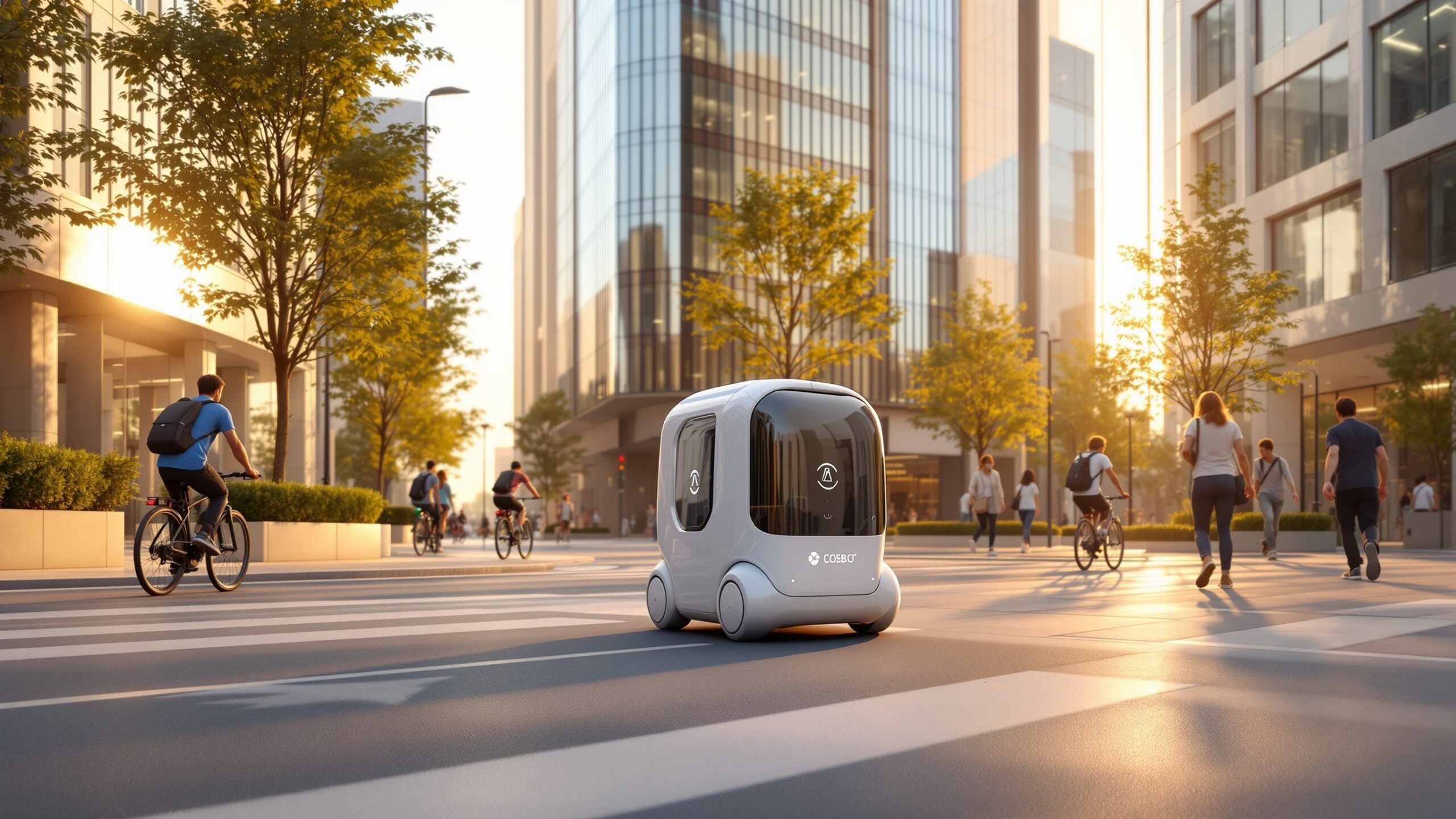
- Self-driving cars that promise safer roads and reduced accidents. Several companies, like Waymo and Tesla, are already testing their autonomous vehicles in real-world conditions, utilizing complex algorithms to interpret the driving environment. This could lead to fewer human errors, which account for the majority of traffic accidents.
- Smart traffic management systems that adapt in real-time to minimize congestion. Systems such as those being implemented in Los Angeles use data collected from sensors and cameras to adjust traffic signals accordingly, improving traffic flow and reducing wait times at intersections.
- Data-driven insights that enhance public transportation effectiveness. Cities like Seattle and New York are leveraging machine learning to analyze ridership patterns, allowing them to optimize routes and schedules. This not only makes public transport more reliable but encourages greater participation from commuters.
Future Implications
The integration of these technologies will likely lead to dramatic reductions in travel times and an increase in overall safety on the roads. For example, by implementing smart traffic solutions, cities might see decreases in average commute times by up to 20%, which can significantly boost economic productivity.
As cities embrace this technological shift, exploring its implications for daily life becomes essential. Consider the extensive network of bike-sharing programs that use machine learning to determine optimal bike locations based on user demand. This kind of adaptability may encourage more people to opt for environmentally friendly commuting options.
Moreover, understanding how machine learning can revolutionize urban mobility opens new avenues and challenges for residents, policymakers, and innovators alike. With potential privacy concerns regarding data collection and the need for regulations surrounding autonomous technology, it is crucial for all stakeholders to engage in open dialogues.
In conclusion, the future of urban mobility looks promising but requires thoughtful navigation as new technologies reshape our cities. Continued investments in machine learning and public infrastructure can foster a dynamic urban environment that meets the needs of all residents while addressing the pressing challenges of our time.
DISCOVER MORE: Click here to dive deeper
Driving the Change: Machine Learning in Action
The integration of machine learning into urban mobility initiatives is not merely a trend; it represents a pivotal transformation within how civilians interact with their transportation systems. Machine learning algorithms, capable of processing vast amounts of data at lightning speed, empower cities to tackle long-standing issues of congestion, accidents, and the inefficiencies of public transport. Let’s delve into various areas where this technology is making significant inroads.
Transforming the Landscape of Autonomous Vehicles
Autonomous vehicles are at the helm of this revolution, exhibiting how machine learning can change the dynamics of urban travel. Riding on advanced sensors, cameras, and sophisticated algorithms, these vehicles use machine-learning models to make split-second decisions, mimicking human cognition without the margin for error associated with human drivers. For instance, according to a report from the National Highway Traffic Safety Administration, 94% of serious crashes are attributed to human error, pointing to a viable pathway for self-driving technology aimed at enhancing road safety.
The Role of Intelligent Transportation Systems
In addition to self-driving technology, machine learning is instigating noteworthy advancements in traffic optimization. Traditional traffic lights operate on set timers, which can cause unnecessary delays and congestion. However, newer intelligent transportation systems equipped with machine-learning capabilities analyze real-time data—such as vehicular flow and pedestrian movement—to adapt traffic signals dynamically. Cities like San Francisco are implementing these systems, aiming to cut down wait times at intersections by as much as 30%, enhancing overall traffic management efficiency.
Improving Public Transportation Networks
Public transportation systems are not exempt from the algorithmic enhancements enabled by machine learning. Cities are incorporating predictive analytics to analyze ridership patterns, which allows transit authorities to make data-informed decisions regarding bus routes and schedules. For example, in Chicago, the Chicago Transit Authority (CTA) deployed machine learning models that study historical ridership data to better adjust frequency and capacity on bus routes according to real-time demand. Such initiatives make public transport not only more reliable but also more appealing to potential users.
Environmental Implications of Machine Learning
Urban mobility is increasingly being scrutinized for its environmental impact. Machine learning technologies can significantly contribute to developing sustainable transport solutions. For example, optimizing routes for both public and private vehicles leads to less fuel consumption and reduced greenhouse gas emissions. The American Public Transportation Association states that public transport use can reduce individual carbon footprints by up to 45%, highlighting the pivotal role of machine learning in promoting environmentally friendly travel.
As cities embrace these technologies, documenting and studying their outcomes becomes crucial for future developments. By understanding the benefits and potential drawbacks of machine learning-driven urban mobility solutions, we can better prepare for the next chapter in transportation evolution. The ongoing experimentation and data collection will pave the way for innovative strategies that could redefine urban landscapes across the United States.
| Advantage | Description |
|---|---|
| Enhanced Safety | Autonomous vehicles reduce human error, significantly lowering accident rates. |
| Traffic Flow Optimization | Machine learning algorithms can analyze real-time traffic data, improving conditions on the roads. |
| Reduced Emissions | Better traffic management leads to lower fuel consumption and decreased pollution levels. |
| Smart Urban Planning | Data-driven insights enable city planners to create more efficient layouts for transportation. |
In the dynamic landscape of urban mobility, the integration of Machine Learning is reshaping how we envision transportation systems. Autonomous vehicles are at the forefront of this revolution, offering a multitude of advantages that promise to redefine our daily commutes. Enhanced safety is perhaps the most compelling benefit, as autonomous technologies are designed to minimize accidents by eliminating human error, which is responsible for the majority of traffic collisions. Additionally, traffic flow optimization is significantly improved through smart algorithms that process real-time data on vehicular movement, allowing cities to adapt to changing conditions efficiently. This capability not only facilitates smoother commutes but also reduces emissions, contributing to environmental sustainability. The adoption of these technologies leads to decreased congestion, directly linking intelligent traffic management to reduced fuel consumption. Moreover, smart urban planning is made possible as machine learning provides invaluable insights into traffic patterns and community needs, pushing urban development towards a more sustainable and efficient future. These advancements signal a pivotal shift in urban mobility, urging stakeholders and citizens alike to explore the potential of these technologies further.
LEARN MORE: Click here to dive deeper
Enhancing User Experience: The User-Centric Shift in Urban Mobility
The revolution in urban mobility powered by machine learning goes beyond autonomous vehicles and traffic optimization, extending into how users interact with their transportation options. As cities strive for smarter transportation systems, an emphasis on the user experience has emerged, powered largely by data-driven insights that cater to individual needs and preferences.
Personalized Travel Solutions
Machine learning is enabling transit authorities to offer personalized travel solutions that enhance the commuter experience. Apps equipped with machine learning algorithms analyze user data to provide tailored route recommendations, estimated arrival times, and even cost-saving suggestions. For instance, the popular ridesharing app Uber leverages machine learning to optimize ride allocation based on user behavior patterns and preferences, effectively reducing wait times and providing more seamless transportation experiences. Such user-centered innovations not only increase user satisfaction but also promote higher adoption rates of public transport.
Predictive Maintenance for Urban Fleet
Moreover, machine learning has significant implications for the maintenance of urban transit fleets. Through predictive maintenance models, transit agencies can analyze data from vehicles to identify potential mechanical issues before they lead to service interruptions. For example, the Metropolitan Transportation Authority in New York City has begun implementing machine learning tools to assess the condition of subway cars, allowing them to predict malfunction occurrences and schedule maintenance proactively. This approach minimizes downtime and enhances operational efficiency, ultimately benefiting commuters who depend on timely public transport.
Integration of Mobility-as-a-Service (MaaS)
The integration of Mobility-as-a-Service (MaaS) platforms represents another potent application of machine learning in urban mobility. MaaS systems facilitate the seamless transition between different modes of transport—be it buses, trains, scooters, or car shares—by using machine learning to analyze factors like user demand, traffic patterns, and available options in real time. Cities such as Los Angeles and Helsinki have implemented MaaS strategies that refine users’ commutes into a cohesive experience, thereby promoting sustainable transport options and reducing reliance on single-occupancy vehicles.
Data Privacy and Ethical Considerations
While machine learning drives significant advancements in urban mobility, it also brings forth essential considerations regarding data privacy and ethics. As cities rely on user data to enhance their transit systems, it is vital to implement transparency and protection measures that safeguard individuals’ information. The proliferation of apps tracking user behavior necessitates robust frameworks to ensure that data handling aligns with ethical standards and fosters public trust. Stakeholders must address these concerns to ensure that machine learning benefits all members of the community while mitigating risks of misuse.
The Future of Urban Mobility
As machine learning continues to evolve, the landscape of urban mobility is positioned to witness unprecedented transformations. Greater connectivity, real-time responsiveness, and intelligent systems will define the future of transportation. The ongoing research, coupled with innovations in machine learning, heralds an era where urban spaces become more navigable, efficient, and user-friendly. The potential is immense, and cities that embrace these changes will not only enhance their transit systems but also inspire broader societal shifts towards sustainable urban living.
DIVE DEEPER: Click here to learn more
Conclusion: Paving the Way for Intelligent Urban Mobility
The revolution in urban mobility spurred by machine learning stands at the intersection of technology, sustainability, and user engagement. As cities integrate autonomous vehicles and enhance traffic optimization, the potential to reshape the daily commute is immense. From personalized travel solutions that anticipate user needs to predictive maintenance that keeps fleets running efficiently, machine learning is making urban transportation more intuitive and reliable.
The advent of Mobility-as-a-Service (MaaS) platforms signifies a paradigm shift, where commuters can effortlessly navigate a multi-modal transportation landscape designed to prioritize convenience and efficiency. This shift not only promotes sustainable practices but also fosters community connectivity, enabling a richer urban experience for all. However, as cities embark on this journey, the essential conversation around data privacy and ethical considerations becomes increasingly important. Stakeholders, including city planners, tech developers, and the public, must work collaboratively to ensure data is handled responsibly, maintaining trust while leveraging valuable insights for improved transport solutions.
Looking forward, the future of urban mobility promises to be defined by enhanced connectivity and innovative strategies driven by machine learning. With ongoing research and development, urban environments can evolve into thriving hubs of movement, fundamentally transforming how people engage with their cities. Embracing these advancements will not only optimize commutes but will also serve as a catalyst for broader societal changes, ultimately leading to more livable, efficient, and sustainable urban landscapes.

Linda Carter
Linda Carter is a writer and artificial intelligence enthusiast specializing in AI tools, emerging technologies, and digital innovation. With extensive experience helping individuals understand and apply artificial intelligence in practical ways, Linda shares her knowledge on our platform. Her goal is to empower readers with useful insights, inspiring ideas, and step-by-step guidance for navigating the evolving world of AI with confidence.