Generative Neural Networks: Creating New and Innovative Content
Revolutionizing Content Creation
In an era where creativity meets technology, Generative Neural Networks (GNNs) are reshaping the landscape of content creation. These sophisticated algorithms go beyond traditional programming to generate unique outputs that can mimic, evolve, and innovate across various forms of media.
What Are Generative Neural Networks?
GNNs are a subset of artificial intelligence that can produce different types of content, such as:
- Text: Articles, stories, and poetry
- Images: Art, visuals, and graphics
- Music: Compositions, melodies, and soundscapes
These networks learn patterns from vast datasets, ranging from literature to visual art, enabling them to create content that is not only novel but also tailored to specific audiences. For instance, with a repertoire that includes everything from Shakespearean sonnets to contemporary blog posts, GNNs can produce engaging narratives suited for varied demographics. The result? A fusion of technology and creativity that raises intriguing questions about the nature of authorship and originality. Could a machine ever be considered an artist, or does true creativity require human experience?
Applications Across Industries
The versatility of generative neural networks is becoming increasingly evident across various fields, notably:
- Marketing: GNNs enable companies to create highly personalized advertising campaigns, analyzing consumer behavior to generate compelling content that resonates with target audiences. For example, tailored email marketing and social media posts can significantly increase engagement and conversion rates.
- Entertainment: In the realm of film and video games, GNNs are utilized for script and music generation, helping creators develop narratives and soundtracks that enhance storytelling. Marvel Studios recently experimented with GNNs to explore alternative plotlines for their films, opening doors to unprecedented creative avenues.
- Education: Generative neural networks can develop tailored learning materials and interactive content, adapting to different learning styles and paces. Imagine an online course that evolves based on your responses, providing real-time feedback and personalized quizzes to reinforce knowledge.
As businesses and creators harness the potential of GNNs, the implications for content creation grow ever more profound. The clash between machine-generated and human-created content raises essential discussions about the future of creativity in an increasingly digital world. Will GNNs ultimately enhance artistic expression, or will they challenge our very concept of what it means to be creative?
This exploration of generative neural networks invites you to consider their transformative impact on various sectors. As these technologies develop, they will undoubtedly unlock new avenues for innovation and creativity, compelling audiences and industries alike to adapt and evolve in this rapidly changing landscape.
DISCOVER MORE: Click here for insights on how machine learning transforms digital marketing
Harnessing the Power of Artificial Intelligence
As the adoption of Generative Neural Networks (GNNs) gains momentum, businesses, artists, and educators are beginning to recognize how these technologies can transform their output. By employing complex algorithms that simulate human-like creativity, GNNs breathe life into static paradigms. Unlike conventional AI, which operates within predetermined parameters, GNNs possess the ability to generate entirely new ideas. This capability not only enhances productivity but also introduces a revolutionary approach to innovation across several domains.
How Do GNNs Work?
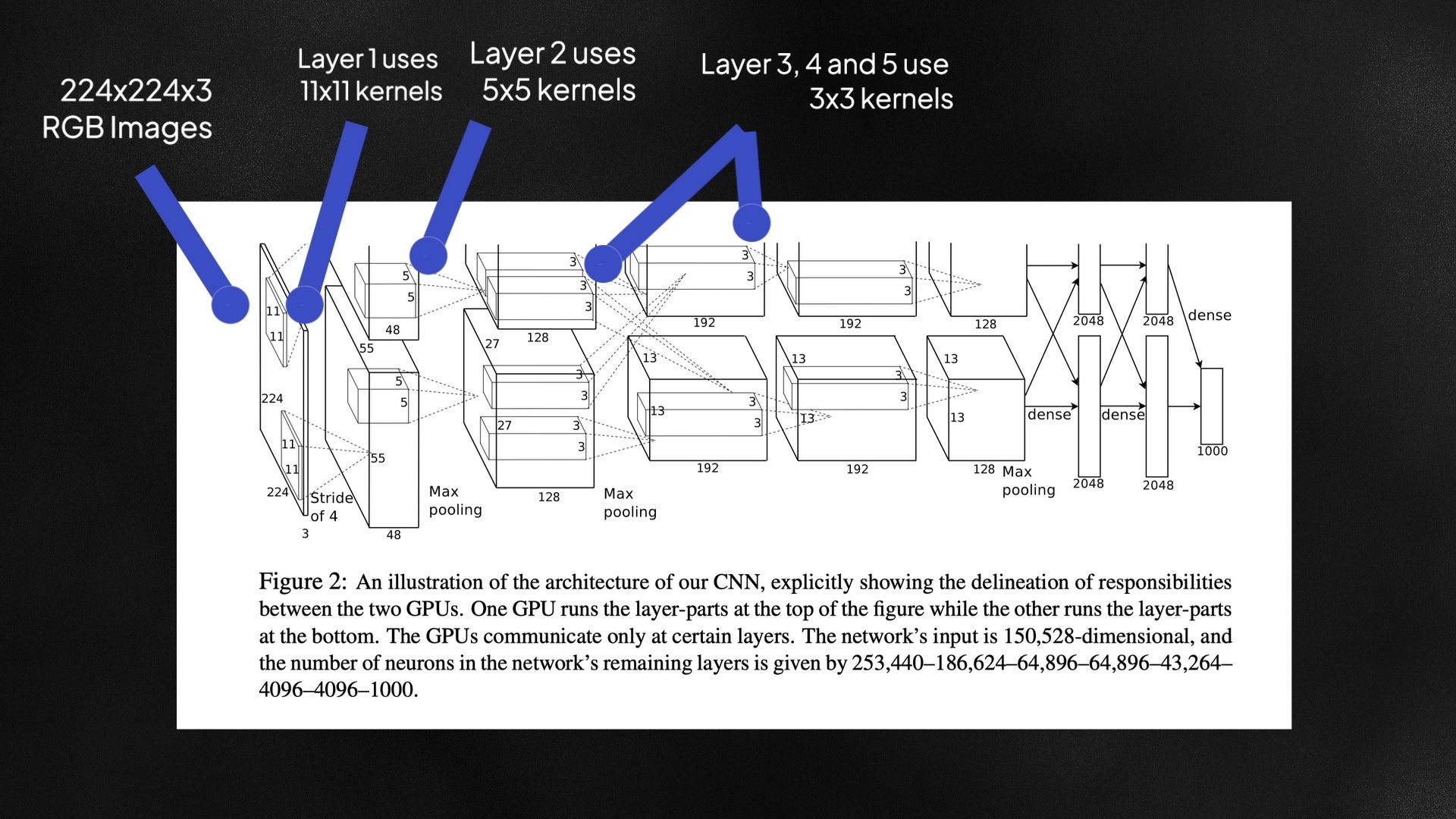
At the core of generative neural networks is their intricate architecture, typically involving layers of interconnected nodes designed to emulate the functioning of the human brain. These networks usually consist of two primary components: the generator and the discriminator. The generator produces new content, while the discriminator evaluates its authenticity against existing data. Through this adversarial process, GNNs refine their ability to generate high-quality outputs.
- Training Process: GNNs are trained on vast datasets, allowing them to learn nuances, styles, and patterns inherent in different forms of content. The more diverse the data, the more versatile the GNN becomes in outputting innovative ideas.
- Iterative Improvement: Each round of generation and evaluation enables the GNN to enhance its performance incrementally. This self-correcting mechanism ensures that the generated content increasingly aligns with user expectations and industry standards.
- Feedback Loops: User interactions also play a significant role. For example, feedback from audiences can fine-tune the GNN’s outputs, tailoring content to better connect with specific demographics.
The adaptability of GNNs has significant implications for a range of sectors. For instance, in the field of advertising, brands can leverage GNNs to create unique promotional content reflecting current trends and consumer preferences. This level of customization not only drives engagement but can also reduce the time and resources needed to market new products.
Transforming Creative Industries
Across the entertainment industry, from music production to screenwriting, GNNs are emerging as powerful collaborators. They’re not just tools; they represent a paradigm shift in how stories and music are conceptualized. Musicians can utilize GNNs to compose tracks or even develop entire albums in genres that resonate with listeners, based on data analytics. Meanwhile, filmmakers are experimenting with GNNs to draft scripts, enabling them to explore new narratives that challenge conventional storytelling techniques.
Indeed, generative neural networks are creating ripples of change that extend beyond mere process improvements; they pose fundamental questions about the essence of creativity itself. As GNNs become more sophisticated, they challenge the subjective nature of artistry and the very definition of authorship.
As we continue to delve into the potential of these transformative technologies, we open dialogue about the interplay between human intellect and machine-generated creativity. The journey into this new terrain raises essential inquiries: Where do we draw the line between human and artificial creativity, and how will this influence the creative industries of tomorrow?
| Advantage | Description |
|---|---|
| Creative Content Generation | Generative Neural Networks excel in producing unique and high-quality content, making them ideal for applications in art, writing, and game development. |
| Cost Efficiency | Utilizing Generative Neural Networks can significantly reduce the time and expense associated with content creation, allowing businesses and creators to focus resources elsewhere. |
The use of Generative Neural Networks represents a transformative power in the realm of content creation. These advanced algorithms not only mimic existing styles but can also generate entirely new forms of creative expression. With the capability to learn from vast data sets, they redefine the boundaries of innovation. The fusion of AI and human creativity hints at a future of collaborative artistry, where mundane tasks are automated, liberating creative minds to explore uncharted territories. In addition to their creative prowess, these networks provide substantial economic advantages. By streamlining the production process, they eliminate repetitive tasks, enabling a more agile workflow. Businesses leveraging these technologies can react swiftly to market changes, thus enhancing their competitive edge. This dual benefit—creativity combined with efficiency—positions Generative Neural Networks at the forefront of modern content creation strategies. Their growing presence across industries highlights a significant shift towards intelligent solutions, making a compelling case for further exploration into their capabilities.
DIVE DEEPER: Click here to discover more about sustainable machine learning
Revolutionizing Industries and Everyday Life
As generative neural networks (GNNs) continue to evolve and proliferate, their impact is increasingly being felt across various sectors, including healthcare, gaming, and even fashion. These innovations are not merely confined to content creation; they are reshaping operational frameworks and customer interactions, becoming central in driving efficiency and personalization.
Transformative Applications in Healthcare
In the realm of healthcare, GNNs are being utilized to synthesize medical data and develop innovative treatments. By analyzing vast datasets of clinical research and patient histories, GNNs can generate potential drug compounds or identify new therapeutic targets. Recently, companies like Insilico Medicine have been pioneering the use of GNNs to create novel molecules that could revolutionize treatment protocols for various ailments.
- Predictive Analytics: In addition to developing new treatments, GNNs can predict disease outcomes by generating simulated patient scenarios, providing healthcare professionals with valuable forecasts that guide treatment plans.
- Personalized Medicine: With the ability to analyze genetic information, GNNs can help tailor treatments to specific patient profiles, offering a more individualized approach to combating diseases.
Game Development and Interactive Experiences
The gaming industry has also witnessed a significant transformation through the implementation of GNNs. Game developers are harnessing these networks not just for generating graphics or landscapes but also for crafting dynamic narratives that adjust in real time based on player behavior. This approach creates immersive environments that respond to user choices, enhancing engagement and replayability.
For instance, through the application of procedural content generation techniques, gaming companies like Ubisoft have begun using GNNs to design realistic world terrains and environments, balancing complexity and playability. This technology allows for the creation of diverse gaming experiences without the traditional constraints of resource allocation.
Fashion’s Digital Renaissance
The fashion industry is undergoing a digital renaissance fueled by generative neural networks. GNNs can analyze current trends and consumer preferences to simulate clothing designs that resonate with the target audience. Moreover, brands are employing these networks to forecast what styles will be popular in upcoming seasons, allowing designers to align their collections with market demands.
- Virtual Fitting Rooms: GNNs facilitate virtual fitting rooms where customers can visualize how garments would look on them, refining the shopping experience.
- Sustainable Fashion: GNNs can also play a crucial role in sustainability efforts by producing designs that minimize waste and promote reuse. By predicting fabric consumption more accurately, brands can reduce excess material and environmental impact.
The integration of generative neural networks into these realms exemplifies a broader trend toward leveraging AI as a creative partner. As businesses utilize GNNs to enhance and innovate their offerings, there remains a vital question about the ethical implications of AI creativity. Will the contributions of GNNs diminish the value of human creativity, or will they serve as amplifiers that elevate our collective ingenuity? As we navigate this unfolding narrative, the potential for groundbreaking innovations continues to expand, emphasizing the need for ongoing discourse about the role of technology in shaping the future of creation.
DISCOVER MORE: Click here to learn about machine learning for sustainability
Conclusion: The Future of Creativity with Generative Neural Networks
As we stand on the brink of a new era in content creation, generative neural networks (GNNs) are proving to be powerful tools that not only enhance creativity but also redefine how various industries operate. By synthesizing vast amounts of data, GNNs unlock the potential for unprecedented innovations across healthcare, gaming, fashion, and beyond. These neural networks are capable of producing original designs, predictive analyses, and tailored experiences, thereby fostering personalization that resonates deeply with users.
However, the rise of GNNs prompts essential discussions about the balance between human creativity and artificial intelligence. Are we witnessing the dawn of a new collaborative era where AI serves as a catalyst for human ingenuity, or are we at risk of overshadowing our own creative instincts? As businesses increasingly adopt these technologies, it is crucial to consider the ethical implications and the potential cultural impact of AI-generated content.
This ongoing dialogue will shape the future landscape of creativity and innovation, compelling stakeholders to craft strategies that embrace the benefits while addressing the challenges of integrating GNNs into our lives. As we explore these new frontiers, the promise of GNNs offers an exciting opportunity to not only enrich the creative process but to also elevate interdisciplinary collaborations. The journey has just begun, and as we delve deeper into the capabilities of generative neural networks, the potential for groundbreaking advancements is limitless.

Linda Carter
Linda Carter is a writer and artificial intelligence enthusiast specializing in AI tools, emerging technologies, and digital innovation. With extensive experience helping individuals understand and apply artificial intelligence in practical ways, Linda shares her knowledge on our platform. Her goal is to empower readers with useful insights, inspiring ideas, and step-by-step guidance for navigating the evolving world of AI with confidence.