Menu

The Intersection of Robotic Process Automation and Data Analysis: Insights for Business Decisions

Robotic Process Automation (RPA) and data analysis are revolutionizing business strategies by enhancing efficiency and enabling data-driven decision-making. This integration fosters real-time insights and operational agility, empowering organizations to adapt swiftly to market changes and drive innovation, ultimately leading to improved performance and competitive advantage.

Machine Learning in Smart Cities: Transforming Data into Urban Solutions

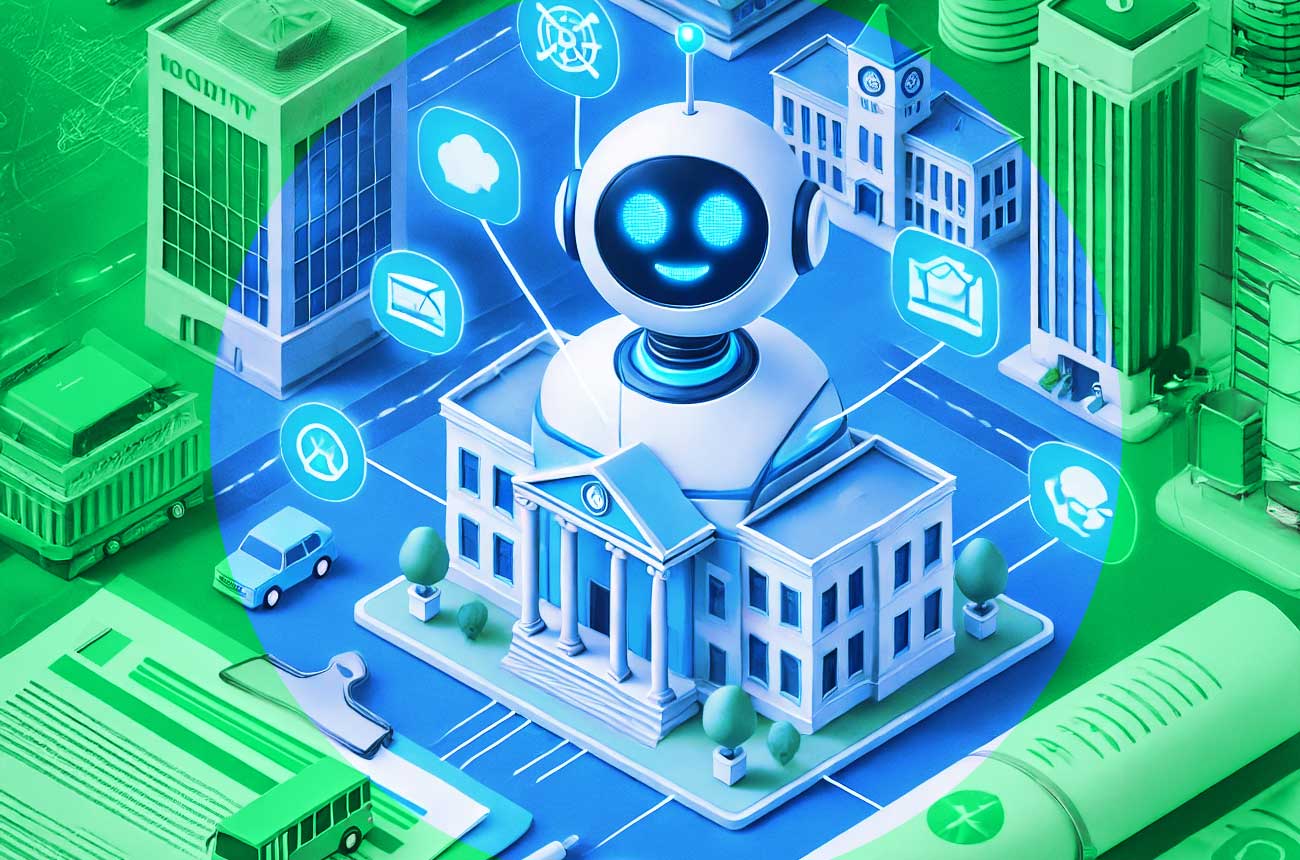
Machine learning is revolutionizing smart cities by transforming data into urban solutions. It enhances traffic management, waste collection, public safety, and health systems, creating more efficient and sustainable environments. As cities embrace these technologies, they pave the way for improved living standards and a proactive approach to urban challenges.

The Impact of Machine Learning in the Healthcare Industry: Advances and Challenges

The article explores the transformative impact of machine learning in healthcare, highlighting advancements in predictive analytics, medical imaging, and personalized medicine. It also addresses challenges such as data privacy, algorithmic bias, and workforce training, emphasizing the need for ethical practices to enhance patient care and outcomes in the evolving healthcare landscape.

Robotic Process Automation in Traditional Sectors: Challenges and Benefits in Industry and Trade

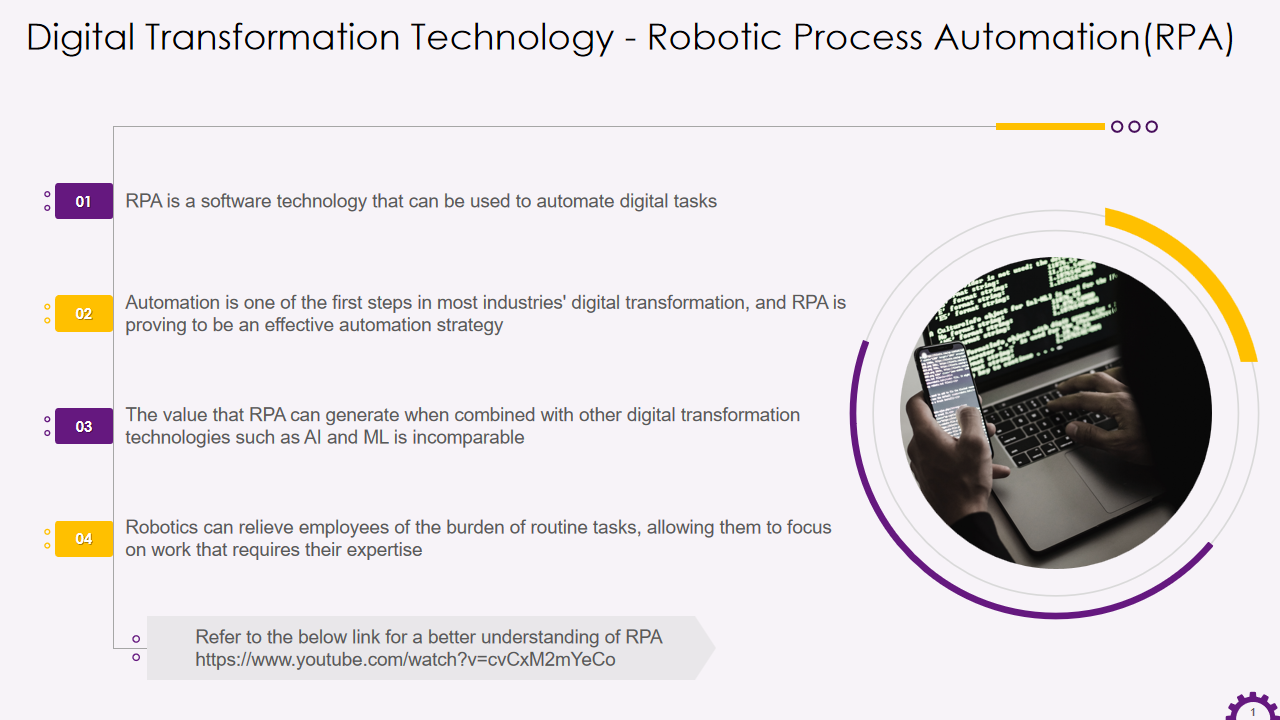
Robotic Process Automation (RPA) offers traditional sectors significant benefits, including cost reduction, increased efficiency, and improved accuracy. However, companies face challenges such as integration with legacy systems and workforce resistance. A strategic approach to implementation can help businesses effectively navigate these hurdles while enhancing operational performance.

Demystifying Robotic Process Automation: Common Myths and Realities in Business Implementation

Robotic Process Automation (RPA) enhances business efficiency by automating repetitive tasks, allowing employees to focus on strategic roles. Common myths, such as RPA replacing jobs or being exclusive to large enterprises, are debunked, revealing its accessibility and scalability for all businesses. Understanding these realities is crucial for successful implementation.

The Influence of Robotic Process Automation on Startups: Agility and Innovation in Business Models

Robotic Process Automation is transforming startups by enhancing agility and fostering innovation in business models. By automating routine tasks, startups can reduce costs, increase productivity, and focus on strategic initiatives, ultimately positioning themselves for rapid growth and competitive advantage in a dynamic marketplace.

Robotic Process Automation in the Public Sector: Increasing the Efficiency of Government Services

Robotic Process Automation (RPA) is revolutionizing the public sector by enhancing efficiency, accuracy, and service delivery. Government agencies are leveraging RPA to automate tedious tasks, improve citizen engagement, and optimize resources, ultimately leading to significant cost savings and a more responsive government capable of meeting modern demands.

Robotic Process Automation and the Customer Experience: How AI Can Personalize Interactions

Robotic Process Automation and Artificial Intelligence are transforming customer experiences by personalizing interactions and enhancing engagement. By automating routine tasks, businesses improve efficiency and responsiveness, while leveraging data analytics to offer tailored solutions. This fusion ultimately fosters loyalty and builds stronger connections in a competitive marketplace.

The Impact of Robotic Process Automation on the Workforce: Opportunities for Reskilling and New Careers

The rise of Robotic Process Automation (RPA) is transforming the workforce, presenting both challenges and opportunities. While RPA can lead to job displacement, it also fosters new career paths and emphasizes the importance of reskilling. Organizations prioritizing workforce adaptability will enhance innovation and collaboration in this evolving job landscape.

Generative Neural Networks: Creating Innovative Content with AI

Generative Neural Networks are transforming content creation by enabling AI to produce original works across various fields, including writing, art, and music. This technology enhances human creativity while raising ethical questions about authorship and authenticity. As AI continues to evolve, it redefines creativity and offers new avenues for innovation.