

The Evolution of Genetic Algorithms in the Optimization of Complex Problems
Genetic algorithms have evolved from theoretical concepts into practical optimization tools across various industries. Inspired by natural selection, these algorithms address complex challenges in fields like engineering, finance, and healthcare. Their adaptability, scalability, and integration with machine learning are reshaping how we approach problem-solving and innovation.
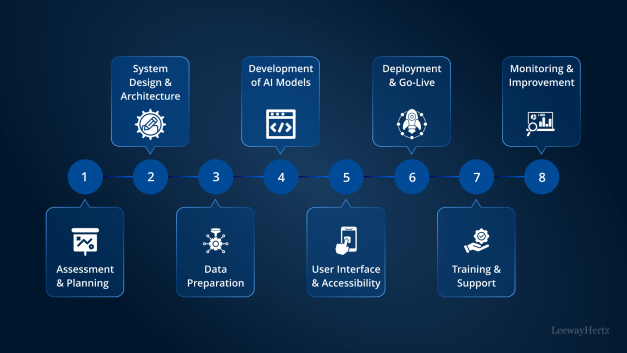
The Role of Classification Algorithms in Personalized Recommendation Systems
In the digital age, classification algorithms are essential for personalized recommendation systems, enhancing user experiences by analyzing data to predict preferences. These algorithms improve engagement, drive sales, and adapt to evolving user behaviors across platforms like Netflix and Amazon, revolutionizing how content is discovered and consumed online.
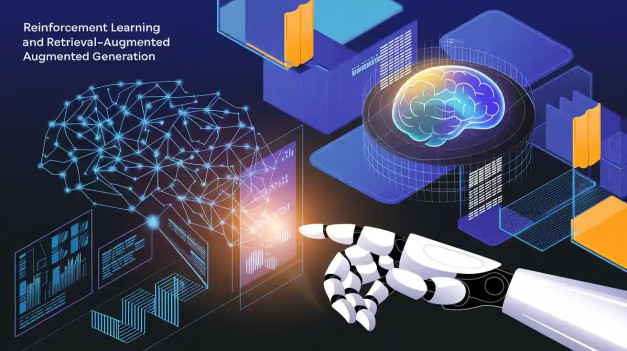
Reinforcement Algorithms: Strategies for Training Intelligent Agents in Dynamic Environments
Reinforcement algorithms are essential for training intelligent agents to adapt and thrive in dynamic environments. By employing strategies like deep reinforcement learning, transfer learning, and hierarchical approaches, these systems enhance performance and decision-making, significantly impacting sectors like autonomous vehicles, robotics, and smart manufacturing.

Deep Learning Algorithms for Real-Time Image Recognition
Deep learning algorithms have revolutionized real-time image recognition, enhancing applications in smart surveillance, healthcare, and autonomous vehicles. These technologies offer speed, accuracy, and scalability while addressing challenges such as data bias and labeling. As innovations continue, ethical implementation is crucial for balancing advancements with responsible usage.

Developing Machine Learning Algorithms for Natural Language Processing
The article explores the transformative role of machine learning algorithms in natural language processing, highlighting their applications in voice recognition, sentiment analysis, and chatbots. It addresses challenges like data quality and contextual understanding while emphasizing the importance of ethical considerations and innovative methodologies for future advancements in NLP technology.

Developing Anomaly Detection Algorithms for Cybersecurity
The rising sophistication of cyber threats necessitates the development of advanced anomaly detection algorithms in cybersecurity. These algorithms leverage machine learning, statistical analysis, and artificial intelligence to identify irregular patterns and potential breaches, enhancing real-time threat detection and organizational resilience against evolving digital risks.