
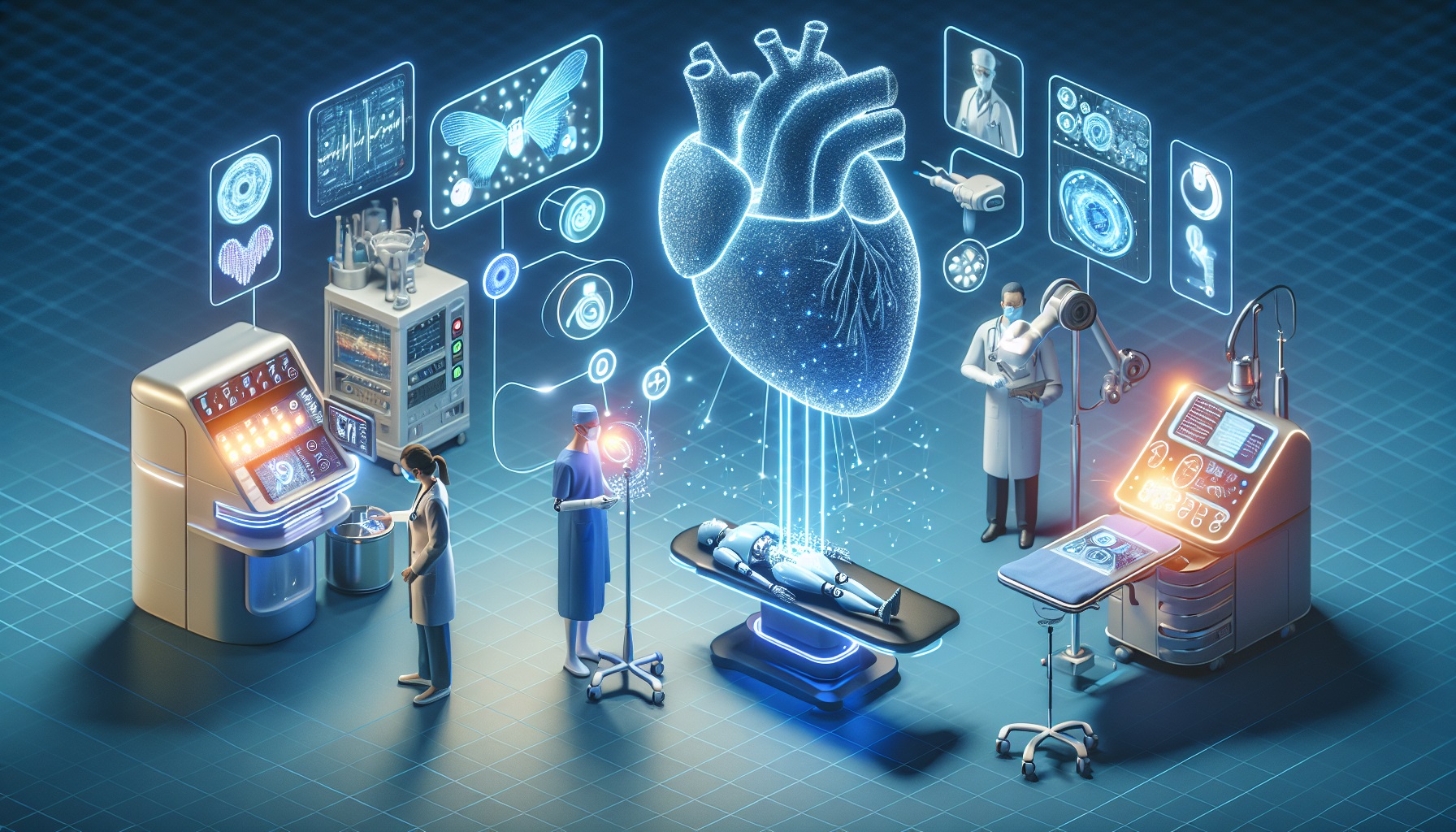
The Impact of Deep Learning on Medical Diagnostics
The integration of deep learning algorithms into medical diagnostics is revolutionizing healthcare, making it more efficient and effective. These sophisticated algorithms harness vast amounts of medical data to provide healthcare professionals with tools that enhance both diagnosis and treatment strategies. One of the most significant advantages of using deep learning is the ability to conduct analyses more quickly and accurately than traditional methods, leading to timely interventions that can ultimately save lives.
One remarkable application of these technologies is in the realm of image recognition. Deep learning algorithms analyze medical images such as X-rays, MRIs, and CT scans to identify conditions that could easily be missed by the human eye. For example, algorithms developed by companies like Zebra Medical Vision have demonstrated the ability to detect tumors or fractures with a precision that often rivals that of experienced radiologists. Studies have shown that AI can reduce diagnostic errors, consequently improving patient outcomes.
In addition to image analysis, predictive analytics is another game-changing feature of AI. By examining historical patient data and identifying patterns, deep learning algorithms can predict the likelihood of disease progression or identify patients at high risk of developing certain conditions. This capability is particularly transformative in chronic disease management, where early interventions can significantly improve quality of life and reduce healthcare costs.
Moreover, deep learning supports automation in healthcare. Routine tasks such as interpreting lab results or managing appointment scheduling can be streamlined through AI, allowing healthcare providers to focus on more complex clinical interactions. This is crucial in an environment where healthcare personnel are often stretched thin, as it not only reduces workloads but also enhances overall efficiency in patient care.
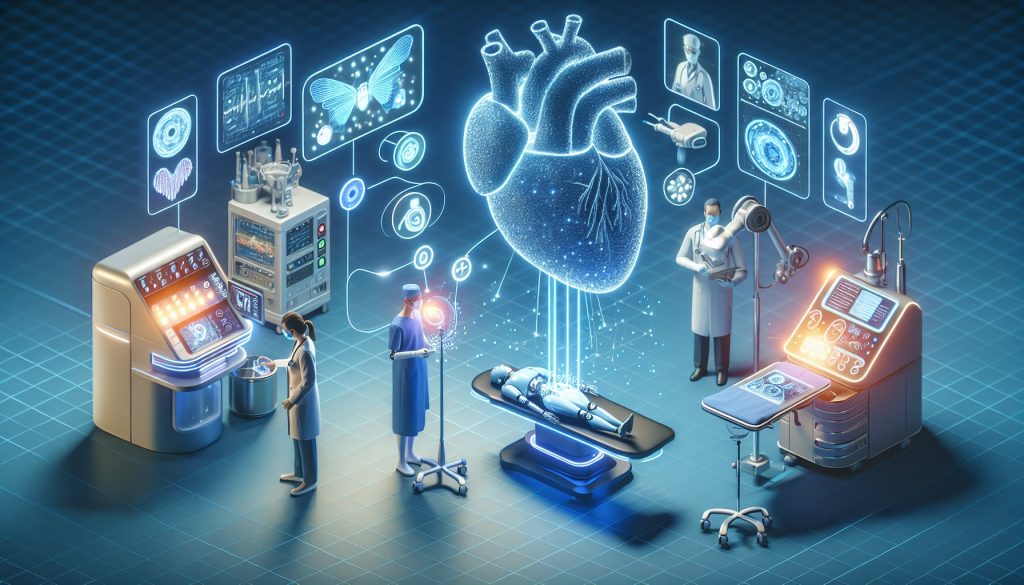
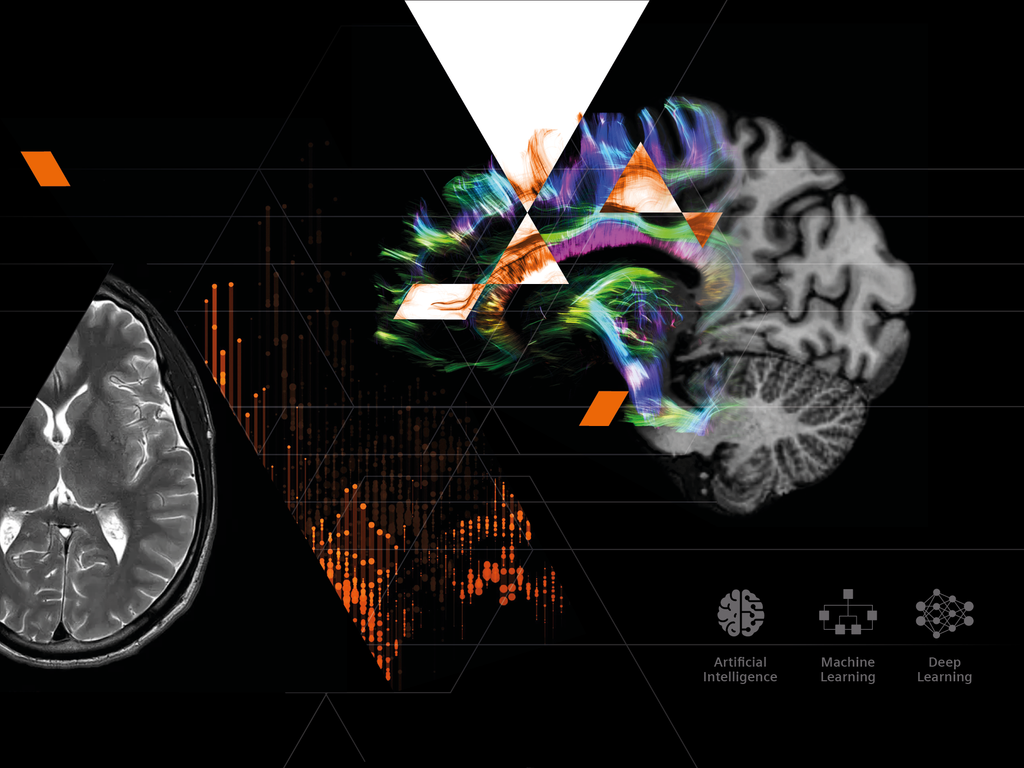
Within the United States, the momentum for implementing these technologies is rapidly increasing. Numerous healthcare startups alongside established institutions, such as Kaiser Permanente, are actively utilizing deep learning to advance patient care. Initiatives spearheaded by tech giants like IBM Watson Health and Google Health are pushing the boundaries of what’s possible, creating platforms that leverage massive datasets for insights that enhance diagnostic accuracy.
However, as with all technological advancements, the shift towards AI in healthcare comes with its own set of challenges. Critical concerns regarding data privacy must be addressed to protect sensitive patient information. Additionally, there is an ongoing discussion about algorithm bias, which could potentially perpetuate existing inequalities within healthcare if not managed properly. Regulatory oversight is also necessary to ensure that AI applications are safe and effective, creating a framework that promotes innovation while safeguarding the health of patients.
The future of medical diagnosis is shaped by deep learning, signaling a profound shift in traditional healthcare practices and ushering in an era of personalized medicine. As we explore these advancements, it is imperative to engage with the ethical and operational complexities they introduce, ensuring that innovations serve to enhance the quality of care for all patients.
LEARN MORE: Click here for insights on ethics in robotic process automation
Transformative Applications of Deep Learning in Medical Diagnosis
Deep learning algorithms are not just an innovative trend; they are reshaping the landscape of medical diagnostics in profound ways. The ability of these algorithms to learn from complex datasets enables breakthroughs that were previously thought to be the realm of science fiction. Healthcare providers across the United States are increasingly recognizing the potential of these technologies to enhance diagnostic processes and patient care.
One major area where deep learning shines is in the analysis of clinical data. Healthcare data is notoriously vast and varied, encompassing clinical notes, laboratory results, genetic information, and more. Deep learning algorithms can sift through these massive amounts of unstructured data, identifying intricate patterns and correlations that would be nearly impossible for healthcare professionals to detect on their own. For instance, algorithms can analyze lab results in conjunction with genetic data to predict patient responses to specific treatments, paving the way for more tailored therapeutic strategies.
Additionally, natural language processing (NLP) powered by deep learning is dramatically enhancing the way clinicians interact with electronic health records (EHRs). NLP can extract relevant information from clinical notes, turning free-text narratives into structured data that can inform treatment plans. This functionality not only saves time but significantly enhances clinical decision-making. By deploying NLP algorithms, hospitals can quickly access critical patient information, such as past medical histories or allergen lists, improving the quality of care provided in emergencies and routine situations alike.
Furthermore, the ability of deep learning algorithms to adapt and improve over time is particularly noteworthy. As these systems are exposed to more data, they refine their predictions and enhance their accuracy. This characteristic is crucial for applications like disease progression modeling, where understanding how conditions evolve over time can lead to proactive healthcare interventions. By modeling disease trajectories based on diverse patient data, deep learning can help healthcare providers anticipate complications, optimizing treatment pathways and minimizing adverse outcomes.
Key Benefits of Deep Learning in Medical Diagnosis
- Increased Accuracy: Deep learning algorithms can achieve higher precision in diagnosing diseases compared to traditional diagnostic methods, effectively reducing false positives and negatives.
- Enhanced Speed: Automating time-consuming tasks allows healthcare professionals to focus on patient care, significantly speeding up the diagnostic process.
- Improved Predictive Capabilities: By harnessing historical data, these algorithms can forecast disease trends and patient outcomes, allowing for timely interventions.
- Accessibility of Care: AI-driven tools can help bridge gaps in healthcare disparities by providing actionable insights in under-resourced settings.
The advancements driven by deep learning are not without their challenges, however. The complexity of training these algorithms necessitates access to high-quality datasets, which raises questions about data availability and standardization. Ensuring that these systems can operate effectively across diverse populations is critical to their success. Additionally, as algorithms become more integrated into clinical workflows, transparency in their decision-making processes will be essential for building trust among healthcare professionals and patients alike.
In conclusion, the integration of deep learning algorithms into medical diagnosis represents a significant shift towards more data-driven healthcare. As these technologies continue to evolve, they promise to reshape not only how conditions are diagnosed and treated but also how healthcare is delivered on a broader scale.
| Advantage | Impact |
|---|---|
| Enhanced Diagnostic Accuracy | Deep learning algorithms analyze vast datasets, allowing for more precise detection of medical conditions compared to traditional methods. |
| Reduced Time for Diagnosis | AI-assisted diagnosis quickens the evaluation process, providing results in a fraction of the time it takes human specialists, which is crucial in emergency situations. |
Deep learning algorithms have opened new frontiers in medical diagnosis. By leveraging large amounts of clinical data, these algorithms can identify patterns that might not be visible to the human eye. This enhancement in diagnostic accuracy not only boosts confidence in the process but also paves the way for personalized treatment options tailored to individual patient needs. The capability to make predictions based on multi-dimensional data inputs dramatically changes the landscape of patient care.Moreover, the speed at which these algorithms operate is transforming the way healthcare professionals interact with diagnostic tools. With rapid results, healthcare systems can manage patient flow more efficiently, allowing for timely interventions. As hospitals and clinics increasingly adopt these advancements, the potential for improved patient outcomes rises, prompting a deeper investigation into the vast capabilities that AI-assisted diagnostics can offer.
DISCOVER MORE: Click here to learn about future trends in robotic process automation
Challenges and Ethical Considerations in Deep Learning for Medical Diagnosis
Despite the transformative potential of deep learning algorithms in medical diagnosis, their implementation faces several challenges and ethical considerations that warrant careful examination. One of the most pressing issues is data privacy. The use of vast amounts of personal health information to train these models raises concerns about how this data is collected, stored, and used. Healthcare organizations must navigate stringent regulations, such as HIPAA (Health Insurance Portability and Accountability Act), to ensure patient confidentiality. As AI technologies continue to advance, maintaining patient trust will be crucial, and violations of privacy could have far-reaching impacts on public perception of AI in healthcare.
Another challenge lies in the bias and fairness of deep learning systems. Inaccuracies may arise when algorithms are trained on datasets that do not adequately represent the diversity of the population. For instance, if models are predominantly trained on data from one demographic group, they may perform less effectively for others, leading to disparities in diagnostic accuracy and treatment recommendations. Research indicates that this can result in significant healthcare inequities, particularly for underrepresented populations, which underscores the necessity for robust strategies to improve model inclusivity.
The explainability of deep learning models is also a critical concern. Many of these algorithms function as “black boxes,” providing little insight into how they arrive at specific conclusions. In the context of medical diagnosis, where decisions have profound implications for patient health, it is essential for clinicians to understand the basis of the model’s recommendations. There are ongoing efforts within the field to develop techniques for enhancing AI transparency, but significant work remains to be done to create reliable frameworks that clinicians can trust.
Furthermore, integrating deep learning into existing healthcare infrastructure poses logistical obstacles. Many healthcare facilities, especially those in rural or underserved areas, may lack the necessary technology and resources to implement AI systems effectively. Overcoming these barriers is crucial to ensure equitable access to the benefits of AI-assisted diagnostics. Collaborative initiatives between technology firms and healthcare organizations are essential for developing scalable solutions that can be disseminated widely.
The Future of Deep Learning in Medical Diagnosis
Nevertheless, the future of deep learning in medical diagnosis appears bright, fueled by continuous advancements in technology and methodology. The convergence of deep learning with other emerging technologies, such as telemedicine and remote patient monitoring, creates new opportunities for enhancing diagnostic accuracy and patient engagement. For example, AI-driven algorithms can analyze data in real-time from wearable health devices, providing clinicians with up-to-date information about patient conditions and enabling timely interventions.
Moreover, as the volume of health data continues to grow, the potential for deep learning to improve disease prediction and prevention strategies becomes increasingly important. AI can identify trends and correlations across vast datasets, helping public health officials to implement targeted interventions that may prevent outbreaks and manage chronic conditions more effectively.
Investments in training programs for healthcare professionals to develop AI literacy will also play a significant role in the successful adoption of deep learning technologies. By ensuring that clinicians understand how to leverage these tools, healthcare systems can harness their full potential and foster a culture of innovation and continuous improvement in patient care.
DISCOVER MORE: Click here to learn about the challenges and opportunities in robotic process automation
Conclusion: The Path Forward for Deep Learning in Medical Diagnosis
As we navigate the evolving landscape of healthcare, the role of deep learning algorithms in AI-assisted medical diagnosis emerges as both revolutionary and complex. The potential for these technologies to enhance diagnostic accuracy and foster personalized patient care cannot be overstated. From real-time monitoring through wearable devices to predictive analytics that inform public health strategies, the integration of deep learning into everyday clinical practice offers a myriad of possibilities that could reshape patient outcomes.
However, realizing this potential is not without its challenges. Ensuring data privacy, addressing bias in dataset representation, and enhancing the explainability of algorithms are critical steps that must be taken to build trust among patients and healthcare providers alike. Furthermore, successful implementation will demand collaborative efforts to overcome infrastructural limitations, particularly in underserved regions of the United States. As we face these hurdles, it is vital for stakeholders—from healthcare professionals to technology developers—to engage in robust discussions about ethical considerations, thus paving the way for responsible AI deployment.
Ultimately, the future of deep learning in medical diagnosis holds promise, but it will require a commitment to ongoing education, inclusivity, and transparency. As we forge ahead, embracing these principles will ensure that the benefits of AI-assisted diagnostics are equitably distributed, ultimately leading to improved health outcomes for all. The journey has just begun, and the prospect of harnessing AI to enhance human decision-making in medicine is one that invites exploration and innovation. The question now remains: how will we shape this journey to benefit both individuals and communities at large?

 Linda Carter