
Developing Machine Learning Algorithms for Natural Language Processing
The article explores the transformative role of machine learning algorithms in natural language processing, highlighting their applications in voice recognition, sentiment analysis, and chatbots. It addresses challenges like data quality and contextual understanding while emphasizing the importance of ethical considerations and innovative methodologies for future advancements in NLP technology.

How Robotic Process Automation Can Transform Customer Experience
Robotic Process Automation (RPA) is revolutionizing customer experience by enhancing efficiency, consistency, and personalization. By automating routine tasks, businesses can deliver faster, more accurate responses, while gathering valuable data for tailored interactions. Embracing RPA allows organizations to exceed customer expectations and foster loyalty in an increasingly competitive market.

The Ethics of Robotic Process Automation: Considerations on Privacy and Transparency
The rise of Robotic Process Automation (RPA) brings significant ethical considerations, particularly regarding data privacy and transparency. Organizations must navigate ownership, accountability, and algorithmic bias to build consumer trust. Prioritizing ethical practices in automation will ensure compliance and foster robust relationships in an increasingly digital landscape.

Developing Anomaly Detection Algorithms for Cybersecurity
The rising sophistication of cyber threats necessitates the development of advanced anomaly detection algorithms in cybersecurity. These algorithms leverage machine learning, statistical analysis, and artificial intelligence to identify irregular patterns and potential breaches, enhancing real-time threat detection and organizational resilience against evolving digital risks.

Developing a Strategy for Integrating Robotic Process Automation with Artificial Intelligence
Incorporating Robotic Process Automation (RPA) with Artificial Intelligence (AI) enhances operational efficiency, decision-making, and customer experiences. A strategic approach to integration involves assessing workflows, setting objectives, and addressing workforce adaptation, ensuring businesses can leverage these technologies for competitive advantage in a rapidly evolving marketplace.
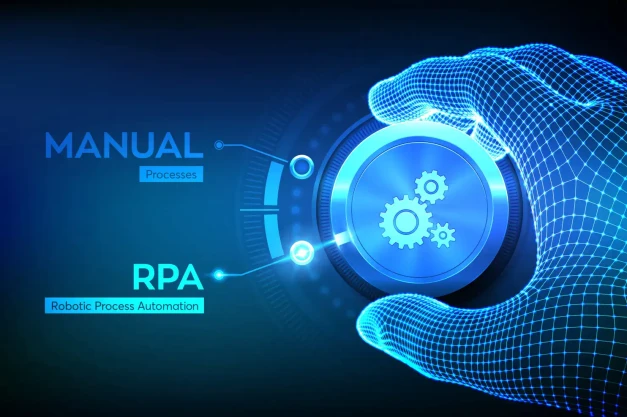
The Impact of Robotic Process Automation on Business Efficiency
Robotic Process Automation significantly enhances business efficiency by automating repetitive tasks, leading to time savings, increased accuracy, and cost reductions. This technology allows organizations to streamline operations, empower employees with higher-value work, and improve customer experiences, ultimately driving innovation and positioning businesses for future success.

The Future of Robotic Process Automation: Trends and Innovations for 2025
Robotic Process Automation (RPA) is set for transformative growth by 2025, driven by trends like AI integration, intelligent automation, and low-code solutions. These innovations enhance efficiency, decision-making, and customer experience, reshaping industries while promoting sustainability and seamless integration within existing systems, positioning RPA as essential for future business strategies.

Challenges and Opportunities of Robotic Process Automation in Regulated Sectors
Robotic Process Automation (RPA) in regulated sectors like finance and healthcare offers substantial efficiency and accuracy improvements but faces significant challenges, including compliance, integration with legacy systems, and employee resistance. Organizations must strategically navigate these issues to harness RPA’s potential and enhance operational performance while maintaining regulatory standards.

Generative Neural Networks: Creating New and Innovative Content
Generative Neural Networks are transforming content creation by producing innovative and unique outputs across text, images, and music. Their ability to learn from extensive data sets enhances personalization in marketing, entertainment, and education, challenging traditional notions of creativity and authorship in an increasingly digital landscape.

The Future of Machine Learning: Neural Networks and Sustainability
The integration of machine learning and neural networks is driving significant advancements in sustainability, optimizing energy management, agriculture, and waste reduction. These technologies are revolutionizing industries to enhance resource efficiency and minimize environmental impact, paving the way for a greener, more sustainable future.