
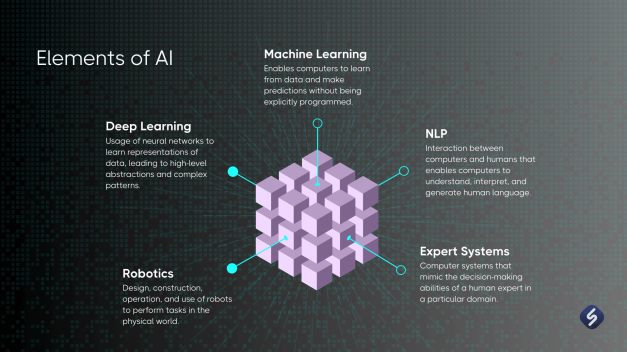
Interpretation of Neural Networks: How to Understand AI Decisions
Understanding neural networks is essential for interpreting AI decisions across sectors like healthcare and finance. As AI systems evolve, transparency, accountability, and bias detection become critical. Innovative visualization techniques and frameworks empower users to grasp decision-making processes, fostering trust and ethical AI application in society.

Convolutional Neural Networks: Transforming Computer Vision
Convolutional Neural Networks (CNNs) are revolutionizing computer vision, enhancing applications from medical imaging to autonomous vehicles. Their ability to automatically learn features from images streamlines processes while improving accuracy. As CNN technology evolves, it promises to transform user interactions across various sectors, shaping the future of visual data interpretation.
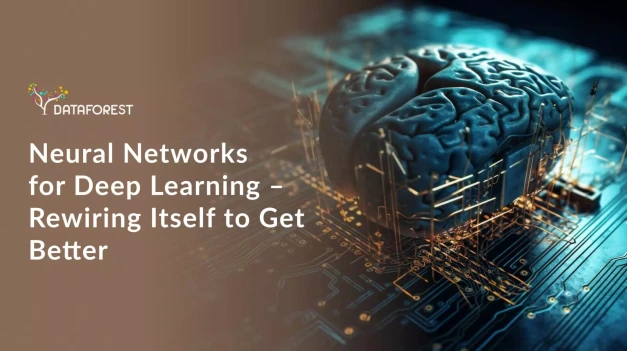
Recurrent Neural Networks: Enhancing Time Series Analysis
Recurrent Neural Networks (RNNs) revolutionize time series analysis by effectively capturing temporal dependencies in data. Their advanced architecture supports diverse applications across sectors like finance and healthcare, enhancing predictive capabilities and decision-making. Despite challenges related to computational demands, ongoing innovations promise to unlock RNNs’ full potential in data-driven insights.
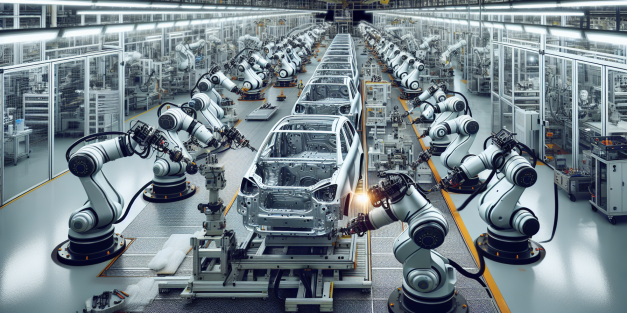
The Impact of Machine Learning on Industrial Process Automation
Machine learning is transforming industrial process automation by enhancing efficiency and decision-making. Through applications like predictive maintenance, quality control, and supply chain optimization, businesses are achieving significant cost savings and operational improvements. This technology positions organizations for sustainable growth in a competitive landscape, highlighting its critical role in modern industry.

Machine Learning and the Revolution in Digital Marketing: Personalized Strategies for Consumers
Machine learning is revolutionizing digital marketing by enabling personalized strategies that enhance consumer engagement. By analyzing vast data, algorithms drive targeted campaigns, predictive analytics, and tailored experiences. As brands harness these technologies, they must also navigate privacy concerns to foster trust while optimizing customer loyalty and satisfaction.
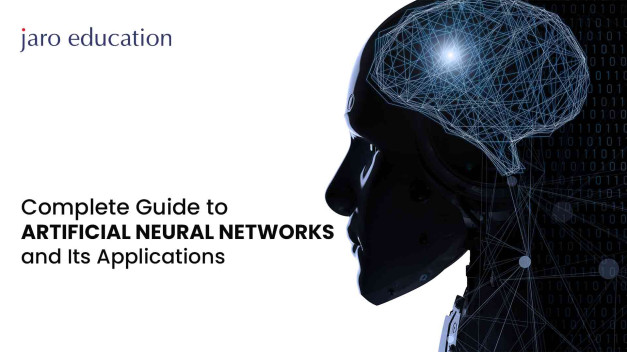
Applications of Neural Networks in Medicine: Advances and Challenges
Neural networks are revolutionizing healthcare by enhancing diagnostics, personalizing treatment, and improving patient care. While offering significant advantages in medical imaging, predictive analytics, and drug discovery, challenges such as data privacy and algorithmic bias must be addressed to ensure the safe integration of AI in medicine.

Ethics and Transparency in Machine Learning Algorithms
As machine learning technologies advance, the importance of ethics and transparency becomes crucial. Addressing algorithmic bias, ensuring accountability, and protecting data privacy are essential for fostering trust and fairness. Establishing robust ethical guidelines will enhance the effectiveness of these algorithms, promoting equitable outcomes for society.

Future Trends in Machine Learning for Medical Diagnosis
Machine learning is revolutionizing medical diagnosis by enhancing accuracy and efficiency in disease detection through personalized medicine, AI-driven diagnostics, and predictive analytics. These advancements promise improved patient outcomes and proactive healthcare strategies, while ethical considerations and data integrity remain essential for equitable implementation in the healthcare ecosystem.

Development of Machine Learning Models for Environmental Sustainability
As machine learning models advance, they play a crucial role in promoting environmental sustainability. By enabling efficient resource management, optimizing agricultural practices, and enhancing urban planning, these innovative technologies provide powerful solutions to address climate change and ecological challenges. Their integration is vital for a sustainable future.

The Role of Machine Learning in Cybersecurity and Data Protection
As cyber threats escalate in complexity, machine learning is revolutionizing cybersecurity and data protection. By enhancing threat detection, automating incident responses, and facilitating predictive analytics, organizations can swiftly counteract attacks, ensuring compliance and safeguarding sensitive information. Embracing these technologies is essential for effective cybersecurity strategies in today’s digital landscape.