
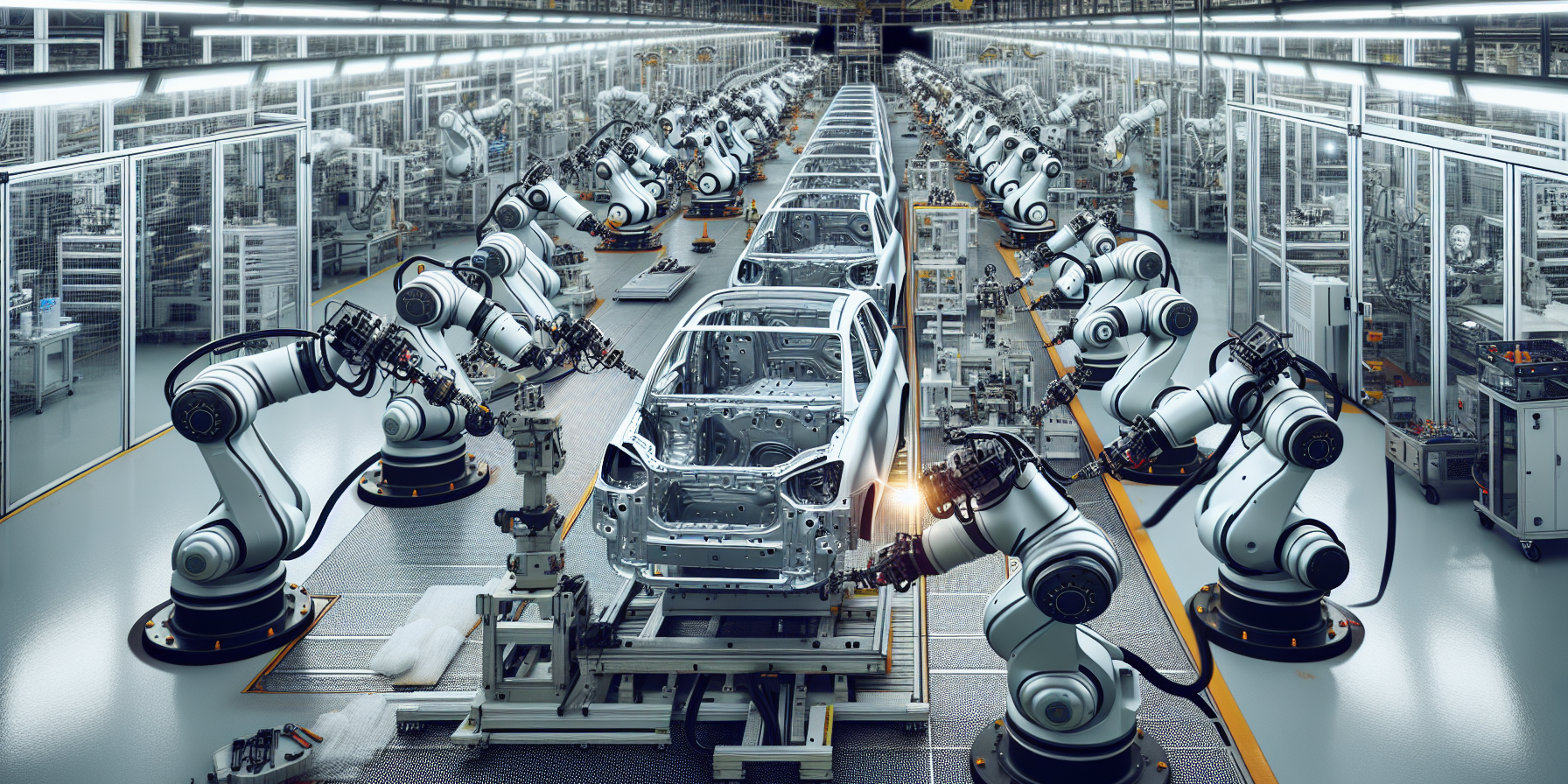
Machine Learning: A Transformational Force in Industry
In recent years, machine learning has emerged as a pivotal element reshaping the landscape of various industries. By leveraging sophisticated algorithms, organizations can analyze enormous volumes of data more efficiently, leading to significant enhancements in operational processes. This technological leap forward is enabling businesses to harness insights that facilitate improved decision-making, ultimately fostering a sustainable competitive advantage.
One of the standout applications of machine learning in industrial process automation is predictive maintenance. Traditionally, maintenance schedules followed a fixed timeline, often leading to unnecessary downtime or unexpected failures. Machine learning algorithms analyze equipment data such as vibration patterns, temperature, and usage statistics to predict when a machine is likely to fail. This proactive approach allows companies to conduct repairs only when needed, minimizing costs and maximizing productivity. For instance, General Electric has utilized predictive maintenance in its aviation sector, resulting in substantial operational savings and higher aircraft availability.
Another area significantly benefiting from machine learning is quality control. Advanced imaging systems powered by machine learning can swiftly and accurately identify product defects during manufacturing processes. Companies like Tesla employ high-resolution cameras alongside machine learning to enhance the inspection of vehicle components, ensuring that only top-quality products reach consumers. This not only accelerates production times but also elevates customer satisfaction, as products are more likely to meet stringent quality standards.
In addition, machine learning plays a crucial role in supply chain optimization. The ability to forecast demand using real-time data analytics helps organizations maintain optimal inventory levels and reduce waste. For example, Walmart harnesses machine learning to analyze shopping trends and adjust its inventory accordingly. This practice not only improves efficiency but also contributes to sustainability efforts by lowering excess stock that might otherwise go to waste.
Moreover, with the integration of machine learning, systems are designed for continuous improvement. As these algorithms learn from new data, they evolve, refining processes and strategies to remain at the forefront of technological advancement. This adaptability is vital in today’s fast-paced market, where businesses must keep pace with rapid changes and rising consumer expectations.
According to recent studies, industries that embrace machine learning technologies report increases of up to 20% in operational efficiency. As American manufacturers aim to excel in an ever-competitive global marketplace, understanding the implications of machine learning in automation becomes essential for future growth and sustainability. The potential for innovation is vast, and companies that invest in these technologies position themselves strategically for the years ahead.
In conclusion, the transformative power of machine learning is not only revolutionizing industrial processes but also driving businesses toward greater success and resilience. To fully harness these advancements, organizations must remain informed and proactive in adopting machine learning solutions across their operations.
DISCOVER MORE: Click here to learn about future trends in machine learning for medical diagnosis
Revolutionizing Operational Efficiency
As industries continue to navigate an increasingly complex landscape, the role of machine learning in industrial process automation is becoming ever more essential. This technology is not only improving productivity but is also enhancing overall operational efficiency. By enabling machines to learn from data, identify patterns, and make informed decisions, organizations are experiencing a seismic shift in how they manage their operations.
One of the most tangible effects of machine learning is the automation of complex tasks that traditionally required human intervention. This capability extends to various aspects of production, from robotics in manufacturing to the utilization of AI-driven analytics in logistics. By automating routine yet intricate tasks, companies significantly reduce the likelihood of human error, leading to greater accuracy and reliability in their processes.
A prominent example of this can be seen in the automotive industry, where manufacturers like Ford are incorporating machine learning algorithms in their assembly lines. These systems monitor production metrics in real-time, allowing for immediate adjustments based on performance analysis. As a result, Ford has reported improved throughput and reduced delays, which are crucial in maintaining their competitive edge.
In addition to enhancing productivity, machine learning contributes to energy efficiency within industrial settings. Through the analysis of consumption patterns, organizations can identify energy-wasting processes and implement changes that lead to significant cost savings. A study demonstrated that implementing machine learning in energy management systems can reduce energy consumption by as much as 30%. This heightened awareness also aligns with environmental sustainability goals, making machine learning a dual benefit for businesses.
Furthermore, machine learning facilitates enhanced teamwork and communication between machines and human operators. By employing smart sensors and predictive analytics, technicians can receive alerts about machine anomalies before they escalate into costly breakdowns. This real-time communication fosters a collaborative environment, where the synergy between human insight and machine efficiency can result in optimized workflow and improved safety standards.
To paint a clearer picture, let’s explore some key benefits of integrating machine learning into industrial process automation:
- Reduced Downtime: Predictive maintenance tools enable timely interventions, significantly lowering the costs associated with unexpected failures.
- Improved Quality Assurance: Automated quality control systems leverage real-time data to enhance product integrity and consumer confidence.
- Increased Production Rates: Automation of repetitive tasks allows human workers to focus on high-value activities, enhancing overall productivity.
- Data-Driven Decision-Making: Enhanced analytics help drive smarter business strategies and improve supply chain management.
These advantages underscore the growing importance of machine learning in crafting a competitive edge for businesses. As industries embrace this technological revolution, staying informed about the latest advancements and adapting techniques will be crucial for future viability and success.
The Impact of Machine Learning on Industrial Process Automation
Machine learning (ML) is revolutionizing the landscape of industrial process automation, bringing forth a multitude of advancements that enhance efficiency and effectiveness across various sectors. As industries increasingly adopt these technologies, understanding the advantages they offer becomes crucial for professionals seeking to remain competitive in a rapidly evolving environment.
| Category | Description |
|---|---|
| Predictive Maintenance | Utilizes data analysis to predict equipment failures before they occur, minimizing downtime. |
| Process Optimization | Enhances production efficiency by analyzing workflows and optimizing operational parameters. |
Through predictive maintenance, companies can leverage historical data and real-time monitoring to pre-emptively address potential issues, effectively reducing operational costs. Additionally, by focusing on process optimization, organizations can adapt to fluctuating market demands and improve overall productivity, thereby solidifying their competitive advantage in their respective industries. With the rapid advancements in machine learning technologies, the future of industrial automation appears promising and ripe for exploration.
DISCOVER MORE: Click here for insights on the future of machine learning in medical diagnosis
Enhancing Predictive Capabilities
As industries grapple with fluctuating demands and resource constraints, the ability to predict future outcomes is becoming paramount. Machine learning stands at the forefront of enhancing predictive capabilities in industrial process automation. By analyzing historical data, these algorithms can forecast trends, anticipate equipment failures, and optimize resource allocation, thereby revolutionizing how businesses operate.
One pivotal application of machine learning in predictive analytics is in the realm of demand forecasting. Organizations can now harness machine learning models that analyze customer purchasing patterns, seasonal trends, and macroeconomic indicators to forecast future demands with astounding accuracy. These models empower companies like Amazon to optimize inventory management, ensuring that products are available when customers need them while minimizing excess stock that ties up capital.
Moreover, many industries are leveraging machine learning for predictive maintenance. For instance, companies in the oil and gas sector have adopted IoT-enabled sensors and machine learning algorithms to assess the health of drilling rigs and pipelines continuously. By integrating sensors that monitor vibrations, temperature, and pressure with advanced analytics, companies can predict when machinery is likely to fail and intervene before breakdowns occur. A notable case involves BP, which reported a reduction in unplanned downtime by approximately 25% after implementing these predictive maintenance strategies.
Another significant aspect of machine learning in industrial settings is its role in enhancing quality control. Manufacturing processes often generate vast amounts of data that, when analyzed effectively, can lead to improved product quality. By applying machine learning models to production data, manufacturers can identify anomalies within the production line early on. For example, Tesla uses machine learning algorithms to identify defects in battery cells on their production floor, helping maintain their rigorous quality standards while reinforcing consumer trust.
Furthermore, machine learning significantly improves supply chain resilience. As trade networks become more intricate, organizations can use advanced machine learning algorithms to automate logistics processes. Supply Chain Visibility platforms are now equipped to predict disruptions (such as natural disasters or geopolitical events) and respond by adjusting shipping routes or inventory tactics. Companies like Procter & Gamble utilize these technologies to enhance their supply chain efficiency, enabling them to mitigate risks effectively and ensure timely product delivery.
To illustrate the profound impact of machine learning on operational processes, consider the following benefits:
- Cost Reduction: Predictive analytics can cut maintenance costs by up to 30% by minimizing unexpected downtime.
- Improved Resource Management: Organizations can optimize labor and materials, enhancing overall efficiency and reducing waste.
- Higher Customer Satisfaction: Timely delivery of products and consistent quality ensures enhanced consumer experiences and trust in the brand.
- Adaptability: Machine learning algorithms can evolve with changing market conditions, allowing businesses to remain agile and competitive.
The advancements in predictive capabilities brought forth by machine learning not only foster operational optimization but also pave the way for a more sustainable future. As companies continue to embrace this technology, understanding its potential applications will be critical for navigating the shifting industrial landscape.
DISCOVER MORE: Click here to learn about the future of machine learning in medical diagnosis
Conclusion: Navigating the Future with Machine Learning
The integration of machine learning into industrial process automation is not merely a trend; it represents a profound shift in how industries operate, innovate, and thrive in an increasingly complex world. As we have explored, the benefits of implementing machine learning are multi-faceted, encompassing enhanced predictive capabilities, improved efficiency, and strengthened supply chain resilience. By harnessing advanced analytics, organizations are equipped to make data-driven decisions that lead to significant cost reductions and increased customer satisfaction.
The promise of machine learning goes beyond short-term gains; it fosters an environment where companies can adapt to market fluctuations and technological advancements with agility. As industries such as manufacturing, oil and gas, and logistics demonstrate, predictive maintenance and quality control powered by machine learning not only minimize unplanned downtime but also elevate product standards, ultimately nurturing brand loyalty.
Moreover, as businesses continue to explore the depth of machine learning applications, the emphasis on sustainability and responsible resource management will drive further growth and innovation. The implications of adopting machine learning extend into environmental stewardship, paving the way for a more sustainable industrial future.
To harness the full potential of this transformative technology, stakeholders must remain committed to continual learning and adaptation. As industries journey into this new era, paving the way for a future of unparalleled efficiency and resilience, understanding and leveraging the impact of machine learning on industrial process automation will be central to their success. The evolution is ongoing, and the time to engage with this exciting frontier is now.


 Linda Carter