
The Impact of Neural Networks in Medicine
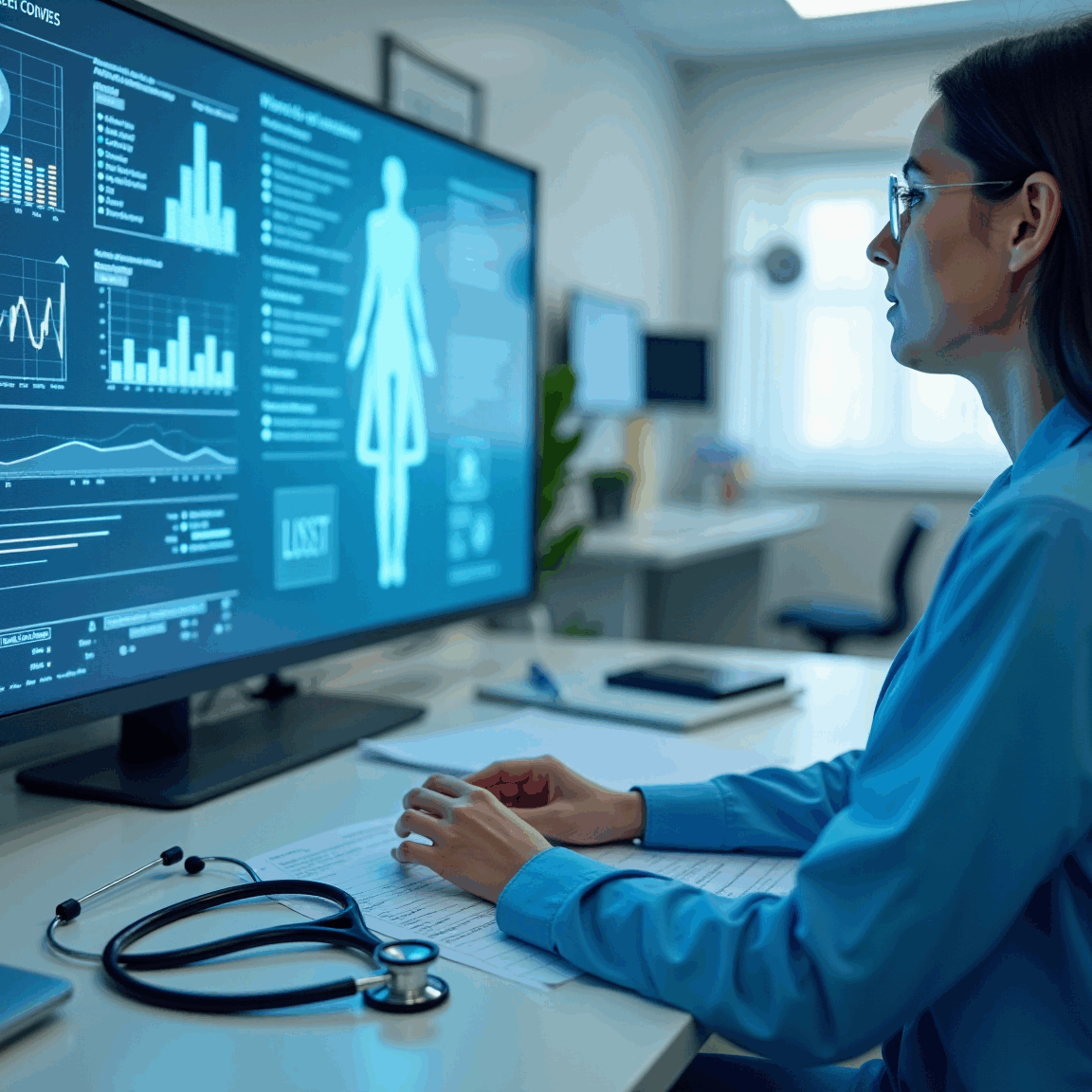
In recent years, neural networks have revolutionized various industries, and medicine is no exception. These advanced algorithms mimic the human brain’s interconnected neuron structure, enabling healthcare professionals to achieve significant breakthroughs in diagnostics and treatment personalization. By learning from vast amounts of data, neural networks can discern patterns that are often undetectable to the human eye, leading to improved outcomes in patient care.
Neural networks have proven effective in multiple areas, including:
- Medical Imaging: Neural networks are transforming the field of medical imaging by enhancing the accuracy of disease detection. For example, deep learning algorithms can analyze radiology scans such as MRIs, CT scans, and X-rays to identify anomalies like tumors at an early stage. This not only improves early detection rates but also helps radiologists prioritize cases based on urgency, significantly impacting treatment timelines.
- Predictive Analytics: These algorithms help healthcare providers predict patient outcomes and evaluate treatment efficacy. By analyzing historical patient data, neural networks can forecast complications in surgeries or the likelihood of disease progression, allowing clinicians to make proactive adjustments to treatment plans. For instance, predictive models are increasingly used to understand which patients are at higher risk for readmission after surgery.
- Genomic Medicine: In genomics, neural networks identify genetic markers associated with diseases. This information is crucial for developing personalized therapies tailored to individual patients. Recent advancements have shown that these models can effectively analyze the interplay of various genetic factors, leading to more targeted approaches in areas like cancer treatment, where therapies can be aligned with a patient’s specific genetic profile.
The integration of neural networks into medical practices not only improves decision-making but also ensures tailored treatments for individual patients. By processing vast amounts of data, these systems facilitate:
- Faster Diagnoses: Neural networks significantly reduce the time taken to identify conditions. For instance, in emergency departments, these systems can quickly analyze patient data, helping healthcare professionals initiate lifesaving interventions sooner.
- Improved Accuracy: With the ability to analyze complex datasets and images, neural networks minimize human error in results interpretation. This leads to more reliable diagnostic reports, which can enhance trust in medical results among patients.
- Customized Treatment Plans: These technologies align therapies with the unique biological makeup of patients, ensuring that treatments are not only effective but also potentially less invasive. For example, in oncology, data-driven insights can determine which drugs are most likely to benefit a specific patient, reducing the trial-and-error nature of traditional approaches.
As we delve deeper into the realm of neural networks in medicine, it becomes evident that this technology holds the potential to transform healthcare significantly. The application of artificial intelligence in medical settings is not merely a trend; it represents a profound shift towards more efficient, targeted, and effective healthcare solutions. By unveiling personalized approaches, the integration of these technologies could lead to better patient outcomes and a more efficient healthcare system. The future of medical science is increasingly intertwined with artificial intelligence, paving the way for innovations that promise to enhance the quality of care in ways we are just beginning to explore.
DISCOVER MORE: Click here to learn about the future of RPA
Revolutionizing Diagnostics through Advanced Algorithms
One of the most significant contributions of neural networks in medicine lies in their ability to enhance diagnostic accuracy. Traditional diagnostic methods, although valuable, can sometimes fall short due to human limitations such as fatigue, oversight, or subjective interpretation of results. In contrast, neural networks possess the capability to analyze complex datasets with pinpoint precision, enabling healthcare providers to make informed decisions backed by thorough data analysis.
Medical imaging exemplifies this transformation. Thanks to neural networks, the process of analyzing images from X-rays, MRIs, and CT scans is undergoing a seismic shift. According to a study published in the journal Nature Medicine, deep learning algorithms can achieve an accuracy rate of up to 95% in identifying breast cancer from mammograms, surpassing the accuracy of human radiologists. This astounding progress not only streamlines the diagnostic process but also improves patient outcomes through early intervention.
Enhancing Efficiency and Speed
The efficiency with which neural networks operate allows for quicker diagnostics, which is especially crucial in emergency settings. For example, during a stroke or a heart attack crisis, the speed of diagnosis is paramount. Neural networks can analyze patient vitals and scans almost instantaneously, significantly reducing the time needed to determine the appropriate treatment. A recent report from the American College of Cardiology indicated that the integration of AI-driven tools resulted in a 20% improvement in time-to-treatment for acute coronary syndromes, underscoring the life-saving potential of these technologies.
Addressing Biases and Improving Population Health
Furthermore, neural networks can play a vital role in mitigating biases that often plague healthcare diagnostics. Traditional methods may inadvertently favor certain demographics due to smaller sample sizes or insufficient diversity in training datasets. Neural networks, which can learn from extensive and varied datasets, hold the potential to provide more equitable healthcare solutions. By including diverse patient populations in these evolving algorithms, the accuracy and fairness of diagnoses can be enhanced, ultimately improving health outcomes across different demographics.
Empowering Clinicians with Predictive Insights
The ability of neural networks to deliver predictive analytics introduces a new frontier in preventive medicine. By closely analyzing patient histories and health trends, these networks can identify patients at higher risk for diseases long before symptoms emerge. For instance, predictive algorithms that utilize neural networks have been successful in forecasting the risk of diabetes by examining a patient’s genetics, lifestyle factors, and even their social determinants of health. This proactive approach allows for early interventions, lifestyle adjustments, and tailored health education, making it a vital tool in preventive care.
As healthcare continues to evolve with the introduction of these advanced technologies, the impact of neural networks is indelibly shaping how we understand and approach patient diagnoses and treatments. This progress not only promises improved healthcare efficiencies but also a more personalized approach to addressing the diverse needs of patients, setting the stage for a new era in medicine that is driven by data and innovation.
| Category | Description |
|---|---|
| Early Detection | Neural networks enhance early disease detection, allowing for timely interventions. |
| Personalized Treatment | Utilizing genomic data, neural networks tailor treatment plans to individual patients, improving outcomes. |
| Data Analysis | Through vast data analysis, neural networks can spot patterns unrecognizable to human clinicians. |
| Predictive Analytics | This technology predicts disease progression, allowing physicians to prepare proactive treatments. |
The revolution stemming from neural networks in the medical field is reshaping patient care through innovative techniques that work harmoniously with traditional approaches. With an emphasis on personalized medicine, healthcare providers are increasingly utilizing these sophisticated algorithms to delve deeper into patient data analysis. As a result, treatments are becoming less generic and more aligned with the unique genetic makeup of individuals. For example, neural networks can process massive amounts of genomic data, identifying the most effective therapies tailored specifically to each patient.Moreover, the early detection of diseases is another significant advantage, as these networks can analyze diagnostic imagery with unparalleled precision. By spotting anomalies that might go unnoticed by the human eye, neural networks facilitate earlier and often more effective intervention strategies. This not only enhances treatment success rates but also optimizes resource allocation within healthcare systems.In addition, predictive analytics empowers clinicians with the foresight needed to anticipate complications or disease trajectories. This approach enables timely modifications to treatment plans, reinforcing the overall efficacy of patient care. As advancements continue to unfold, the integration of neural networks in medicine promises to yield even more groundbreaking results, making the future of personalized healthcare an exciting frontier.
DISCOVER MORE: Click here to dive deeper
Transforming Treatment Protocols with Tailored Approaches
As neural networks carve their niche in the landscape of medical treatment, the concept of personalized medicine gains unprecedented traction. By leveraging vast datasets, these advanced algorithms can uncover individualized treatment plans designed specifically for each patient. This capability is especially prominent in areas like oncology, where tumor genomics and patient response data can be analyzed to create a customized regimen that maximizes efficacy while minimizing side effects.
Customizing Cancer Treatments
The ability of neural networks to analyze complex genetic data allows for an array of tailored therapies. For instance, platforms like IBM Watson for Oncology use machine learning algorithms to evaluate thousands of medical journals and clinical trials. This platform can suggest optimal treatment options for cancer patients based on their unique genetic profile and relevant research, resulting in a highly personalized approach to combating this disease. A study showed that the decisions made by these systems aligned with oncologists’ suggestions in 96% of cases, showcasing the potential for neural networks to complement human expertise in diagnosing and determining treatment methods.
Optimizing Drugs through Predictive Models
In addition to personalizing treatment plans, neural networks are fundamentally changing how new drugs are discovered and optimized. Traditional drug development is often a lengthy and costly process, frequently requiring several years of research and trials before approval. However, innovative companies are using neural networks to predict how different compounds will interact within the human body, allowing researchers to quickly narrow down the most promising candidates. A striking example of this model is BenevolentAI, which employs neural networks to identify treatments for diseases like ALS and Alzheimer’s in unprecedented time frames, accelerating the path from lab to market.
Integrating Patient Data for Holistic Care
Neural networks also streamline the integration of enormous amounts of patient data from various sources, including electronic health records, genomic information, and wearable health devices. This comprehensive view enables healthcare providers to assess not only the physiological aspects but also behavioral and environmental factors affecting a patient’s health. Such holistic insights facilitate informed decision-making, empowering clinicians to adjust treatments dynamically based on real-time data. For instance, continuous glucose monitors paired with AI algorithms can help refine insulin dosing regimens for diabetic patients, dramatically improving their quality of life.
Ethical Considerations and Challenges
While the potential of neural networks in personalizing medicine is immense, it is essential to navigate the accompanying ethical landscape carefully. Issues surrounding data privacy and the potential for algorithmic bias necessitate ongoing discussions among stakeholders. The system must be designed to ensure that all patient data used for training these models is handled responsibly and transparently. Healthcare organizations must remain vigilant in addressing these challenges to ensure that the solutions developed are effective, equitable, and trustworthy.
In this transformative era of medicine, the deployment of neural networks catalyzes a fundamental shift in how treatments are perceived and administered. By focusing on tailored, data-driven approaches that prioritize patient individuality, neural networks are not only paving the way for enhanced therapeutic outcomes but are also redefining the very essence of personalized healthcare in the United States and beyond.
DISCOVER MORE: Click here to learn about the future of machine learning
Conclusion: A New Frontier in Medicine
The integration of neural networks into the medical field heralds a revolutionary shift towards personalized diagnoses and treatments. By harnessing the capabilities of these advanced algorithms, healthcare providers can now analyze comprehensive datasets that encompass everything from genetic profiles to real-time health metrics. This evolution not only enhances the accuracy of diagnoses but also tailors treatments to individual patient needs, significantly improving outcomes, especially in complex fields like oncology and chronic disease management.
Furthermore, neural networks streamline drug discovery, minimizing the time and resources typically required to bring new therapies to market. As platforms like BenevolentAI illustrate, the capacity to predict drug interactions and efficacy through predictive modeling accelerates the development of potential life-saving treatments, paving the way for innovations that were previously thought unattainable.
However, as we embrace the potential of these technologies, we must remain cognizant of the ethical implications they bring. With patient data at the forefront of personalized care, issues surrounding data privacy and algorithmic bias necessitate continuous scrutiny. Transparent practices and responsible data handling are essential to fostering trust in these emerging systems.
As we stand on the brink of this new frontier in medicine, the impact of neural networks is undeniable. By prioritizing individualized care, the healthcare landscape is transformed, promising not only enhanced therapeutic outcomes but also a redefined standard of patient-centered healthcare. Thus, the exploration and integration of neural networks in medicine invite stakeholders to reimagine how we approach diagnosis, treatment, and overall wellness.


 Linda Carter