The Impact of Reinforcement Learning Algorithms in Games and Simulations
The Role of Reinforcement Learning in Shaping Modern Gaming
In the dynamic world of video gaming, reinforcement learning algorithms have emerged as a groundbreaking force, paving the way for intelligent systems that can proficiently learn and adapt over time. Unlike traditional AI models, which are often confined to their hard-coded strategies, these innovative algorithms empower characters and game agents to develop multifaceted responses based on real-time feedback. This transformative capability allows games to provide richer interactions and more engaging experiences for players.
One of the most compelling attributes of reinforcement learning in gaming is its adaptive behavior. Characters are no longer limited by a linear set of responses; instead, they can evolve, learning from player actions and making nuanced decisions. For example, in popular titles like «The Last of Us Part II,» enemy NPCs adjust their tactics based on the player’s playstyle, whether they are sneaky or aggressive. This creates a genuine challenge, as players face increasingly sophisticated opponents that seem to think and react like humans.
Additionally, these algorithms contribute to improved decision-making within games. By analyzing massive datasets comprising player interactions, reinforcement learning can inform strategies that enhance both gameplay and player satisfaction. A prominent example is found in the game «StarCraft II,» where advanced AI systems like AlphaStar can establish complex strategies that rival those of professional players. These algorithms can analyze vast potential moves and outcomes, leading to gameplay that feels fair yet challenging.
Moreover, the implementation of reinforcement learning allows for the creation of complex environments that simulate realistic scenarios, thus elevating the overall gaming experience. Titles such as «Red Dead Redemption 2» offer expansive worlds filled with NPCs that interact genuinely with players and their surroundings. As a result, every player’s journey can yield unique experiences, fostering a sense of personal investment and immersion that has become essential in modern gaming.
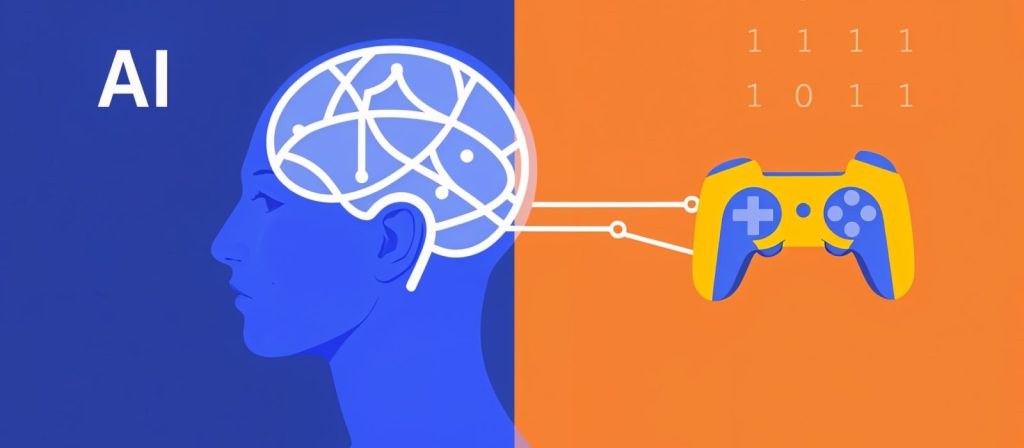
Several noteworthy examples illustrate the profound influence of reinforcement learning on the gaming industry. AlphaGo not only conquered world champions in the ancient game of Go but revolutionized the perception of AI’s potential in strategic thinking. Another remarkable achievement was showcased by OpenAI Five, which played «Dota 2.» Here, the AI team exemplified advanced teamwork and strategy, demonstrating that AI could compete at the highest levels of multiplayer gaming.
Furthermore, the development of autonomous NPCs showcases how reinforcement learning can enhance player immersion, particularly in role-playing games (RPGs). These characters can engage in conversations, adapt their personalities based on interactions, and create a more lifelike presence within the game world. This results in deeper storytelling and a more compelling connection for players, ultimately elevating their overall enjoyment.
As we delve deeper into the realm of reinforcement learning, it becomes evident that this technology is not just reshaping gameplay; it is also redefining the developers’ and players’ relationship with virtual worlds. The future holds boundless potential for innovation in gaming, and with a clearer understanding of reinforcement learning’s capabilities, both audiences and creators can look forward to extraordinary advancements in interactive entertainment.
DISCOVER MORE: Click here to learn about the role of machine learning in cybersecurity
Transforming Game Mechanics with Reinforcement Learning
The integration of reinforcement learning algorithms into game development is changing the landscape of game mechanics, fostering an evolution of how players interact with virtual environments. This sophisticated technology allows game designers to create experiences that are not only highly responsive but also vastly unpredictable, ensuring players remain engaged and continuously challenged. The burgeoning prevalence of such algorithms in gaming can be attributed to their remarkable ability to learn from interactions, adapt strategies, and enhance decision-making processes in real-time.
At the heart of reinforcement learning lies the concept of trial and error. The algorithms operate on the principle of receiving feedback from the environment—essentially learning what actions yield rewards or penalties. This learning model replicates human learning patterns, making game AI more relatable and realistic. The implications of this approach are far-reaching, leading to the development of intelligent systems that can intuitively understand player behavior.
One noteworthy application of reinforcement learning is seen in dynamic difficulty adjustment mechanisms. Such systems analyze player performance and automatically calibrate challenges, ensuring a perfectly balanced gameplay experience. For example, in games like «Dark Souls,» reinforcement learning can be utilized to tweak enemy difficulty based on the player’s skill level, allowing both novice and seasoned players to enjoy the game without feeling overwhelmed or bored. This feature ensures that the player journey feels personalized and tailored, making each session unique.
Additionally, reinforcement learning has also spearheaded advancements in realistic NPC interactions. By employing these algorithms, game developers can create non-player characters that demonstrate genuine reactions to players’ actions and choices, significantly enriching the narrative experience. Imagine stepping into an RPG where your decisions don’t just affect the story arc but also shape the personalities and relationships of the characters around you. This level of interactivity prompts players to think critically about their choices, enriching the overall storytelling.
Several games have notably embraced the principles of reinforcement learning, showcasing its potential for revolutionizing game design:
- «The Last of Us Part II» – Features adaptive enemy AI that adjusts strategies based on player behavior.
- «Dota 2» – OpenAI Five demonstrated how AI could learn and execute teamwork strategies at a professional level.
- «FIFA» – AI in FIFA can learn player tendencies, creating a more competitive and realistic match experience.
The overarching impact of reinforcement learning algorithms is underscored by their ability to create an immersive and responsive gaming ecosystem. As developers harness this technology to forge ahead in uncharted territories, players can expect increasingly sophisticated interactions that challenge their strategic thinking and decision-making abilities.
Looking to the future, the integration of reinforcement learning within games not only enhances gameplay mechanics but also opens doors to new genres and forms of storytelling. The ongoing research and development in this field promise an exciting horizon, one where the line between player and character blurs, leading to including lifetime gaming experiences.
Reinforcement learning (RL) algorithms have significantly impacted the landscape of both gaming and simulations, transcending traditional frameworks to create dynamic, intelligent interactions. One of the most compelling aspects of this technology is its ability to adapt and learn from the environment, leading to enhanced user experiences and more realistic scenarios.In gaming, RL algorithms enable non-player characters (NPCs) to exhibit complex behaviors that mimic human decision-making. This evolution transforms gaming experiences, as players face increasingly challenging and unpredictable opponents. For instance, AI-driven characters can learn from player strategies, making each play session unique and engaging. This adaptability not only heightens excitement but also encourages lengthy player engagement, as they continuously strategize against a learning AI.Moreover, in the realm of simulations, RL is reshaping training programs across various fields, including aviation, military, and healthcare. By using RL algorithms, simulations can model intricate scenarios where users must make split-second decisions. This rigorous training prepares individuals for real-world applications, significantly improving skills and response times. The ability of RL to simulate countless variations of a situation means that trainees can repeatedly practice complex scenarios without the associated risks of real-life exercises. Furthermore, these algorithms facilitate optimization in decision-making processes, leveraging accumulated data to refine actions over time. In industries such as finance and supply chain management, RL is utilized to enhance decision-making efficiency, predict market trends, and optimize resource allocation, thereby improving overall performance.Here’s a closer look at the various advantages brought forth by reinforcement learning algorithms as illustrated in the table below:
| Advantage | Details |
|---|---|
| Adaptive Learning | RL algorithms allow NPCs to evolve their strategies based on player interactions, creating a more dynamic gaming experience. |
| Enhanced Training Simulations | These algorithms enable realistic training scenarios in fields like aviation, where users can learn from simulated experiences without real-world consequences. |
As the intersection of reinforcement learning with games and simulations deepens, the implications for entertainment and practical application continue to expand, making it a vital area of exploration for developers and researchers alike. These technologies promise not just to enhance experiences but also to redefine the boundaries of what is possible within virtual environments.
DISCOVER MORE: Click here to learn about deep learning algorithms for real-time image recognition.
Redefining Player Experiences through Adaptive AI
The transformative power of reinforcement learning algorithms extends beyond mere game mechanics; it profoundly reshapes player experiences, introducing a new era of adaptive AI in gaming. This evolution not only focuses on how games are played but also significantly affects how players feel while engaging with the content. Through the utilization of these algorithms, game designers can forge experiences that are not only responsive but also emotionally resonant, crafting a more profound connection between players and the virtual narratives they inhabit.
One of the remarkable facets of reinforcement learning is its ability to create personalized gaming experiences. In traditional gaming environments, players often find themselves in static worlds with fixed narratives. In contrast, games that employ reinforcement learning can dynamically respond to a player’s actions, emotions, and gameplay style. This adaptability empowers players to influence outcomes, pushing them to explore various strategies and approaches. In titles like «The Walking Dead,» player choices can lead to vastly different story arcs, making each playthrough distinctly personal and memorable.
Furthermore, reinforcement learning’s impacts are evident in the realm of real-time strategy (RTS) games. In these environments, AI opponents are being revamped through algorithms that enable them to learn and adapt based on player tactics. For instance, in «Starcraft II,» researchers have already created agents that learn from human players and evolve their strategies over time, creating an exciting backdrop for both novice and expert gamers. This results in AI opponents that are not only challenging but also capable of simulating human-like unpredictability, requiring players to continuously refine their tactics.
Moreover, the rise of eSports has also benefited from reinforcement learning, as coaches and players utilize AI to analyze gameplay patterns, identify weaknesses, and enhance performance. Teams can leverage this technology to simulate different scenarios in practice matches, enabling them to train against AI that mimics human behavior. The blend of real-time feedback and adaptable AI in these training environments brings forth a new dimension in competitive gaming, pushing the boundaries of player skill development.
Alongside enhancing gameplay, reinforcement learning algorithms are fostering advancements in multiplayer gaming. In games like «Minecraft,» AI can respond to player-created structures or innovations, learning to navigate a player’s unique creations efficiently. Such capability encourages player creativity and collaboration, ultimately crafting a more vibrant community experience. The ripple effect of these algorithms can be seen in social interactions within games, as players engage more deeply, not only with the game’s mechanics but also with each other.
As this technology evolves, we anticipate the emergence of more sophisticated systems and narratives that challenge typical gaming conventions. Titles like «Cyberpunk 2077» are already attempting to utilize reinforcement learning for more responsive world-building, hinting at a future where virtual realms might behave similarly to bustling, organic communities rather than static backdrops.
Through its continuous integration into various facets of gaming, reinforcement learning not only enhances the complexity of challenges and interactions but also redefines the emotional landscape of the player experience. As developers continue to uncover new possibilities, players can look forward to increasingly immersive virtual environments that adapt to their decisions, creating a landscape rich in opportunity for exploration and creativity.
DISCOVER MORE: Click here to learn about the impact of machine learning on automation
Conclusion: The Future of Gaming and Simulations
The advent of reinforcement learning algorithms is revolutionizing the landscape of gaming and simulations in profound ways. By enabling adaptive AI that learns, evolves, and responds to player behaviors and strategies, these algorithms are not just enhancing gameplay; they are redefining it. Players are transitioning from passive participants to active architects of their gaming experiences, leading to a more personalized and emotionally engaging interaction with digital worlds. The ability of AI to learn and adapt, seen in notable titles such as «Starcraft II» and «The Walking Dead,» exemplifies the unprecedented opportunities for varied and unpredictable narratives, expanding the boundaries of storytelling and competitive play.
Moreover, with the integration of these technologies into the booming eSports industry, players now have access to data-driven insights that can elevate their skills and strategies. This technological growth underscores the importance of AI in crafting not just challenges but also rich, immersive environments where collaboration thrives, especially in multiplayer scenarios like «Minecraft.» As we look ahead, the implications of reinforcement learning are vast, paving the way for gaming experiences that mirror the complexity and unpredictability of real life.
As the gaming community continues to adapt to these changes, developers are tasked with maintaining a delicate balance between challenge and creativity. This evolution signifies a tantalizing glimpse into a future where gaming experiences are as dynamic and multifaceted as the players themselves. As research and development advance, the potential for reinforcement learning to further transform the realms of games and simulations is boundless, encouraging both players and developers to explore new horizons of interactive entertainment.

Linda Carter
Linda Carter is a writer and artificial intelligence enthusiast specializing in AI tools, emerging technologies, and digital innovation. With extensive experience helping individuals understand and apply artificial intelligence in practical ways, Linda shares her knowledge on our platform. Her goal is to empower readers with useful insights, inspiring ideas, and step-by-step guidance for navigating the evolving world of AI with confidence.