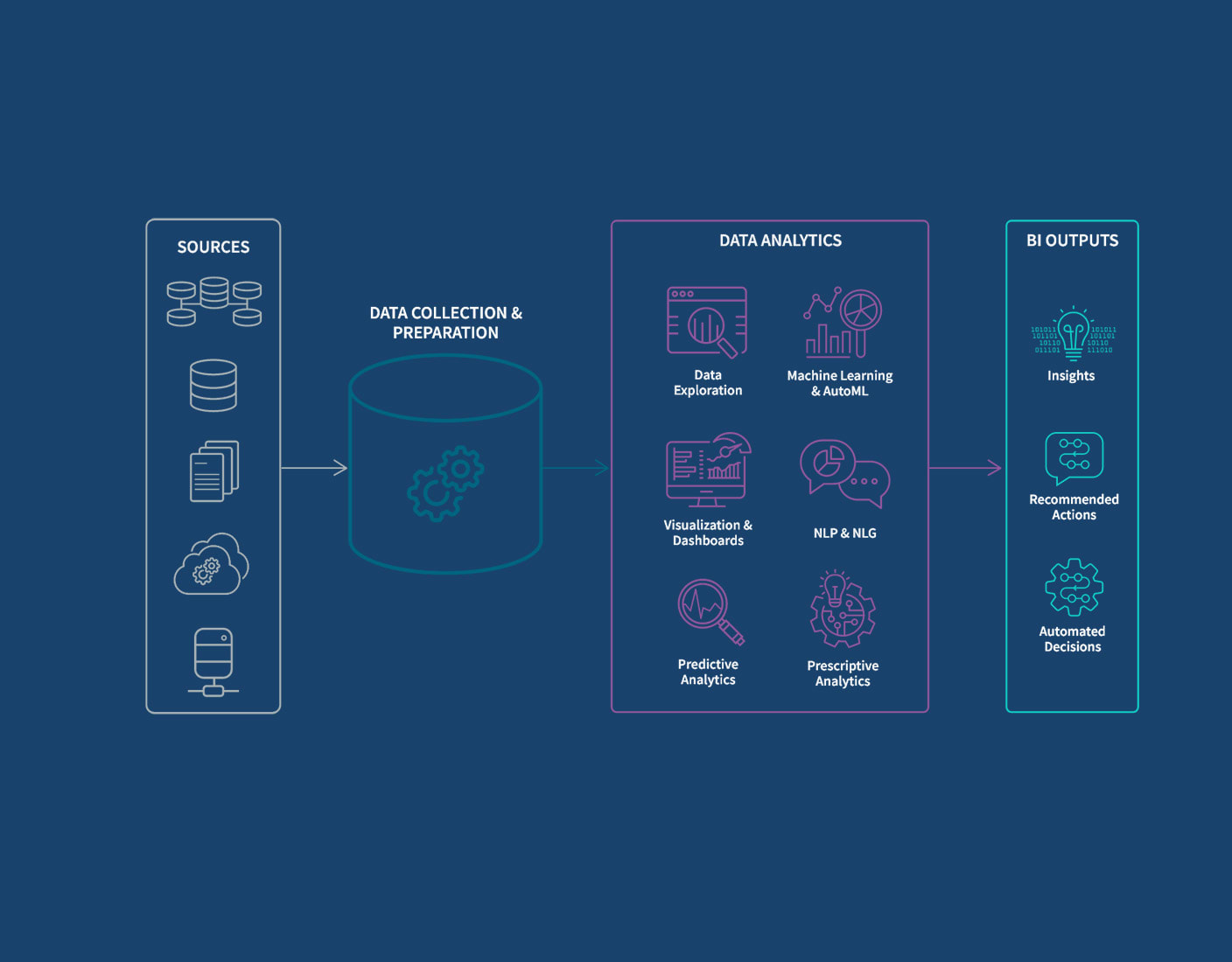
The Evolution of Data Processing Algorithms in the Age of Artificial Intelligence

The Transformative Impact of AI on Data Processing
The landscape of data processing has changed dramatically with the advent of artificial intelligence (AI). Gone are the days when data analysis was confined to simple statistical methods and basic computational tasks. The rise of AI has ushered in an era where sophisticated data processing algorithms harness the power of machine learning to interpret and manage data in ways previously thought impossible. This transformation is not merely about technological advancement; it represents a fundamental shift in how we interact with data itself.
At the heart of this evolution lies the ability to scale operations effortlessly. Modern algorithms can handle and analyze enormous volumes of data—from the billions of social media posts generated each day to the extensive datasets used in financial markets. This scalability ensures that organizations can derive insights without being bottlenecked by data size.
Another remarkable advancement is the speed of data processing. Real-time analytics have become the norm, enabling businesses to make instant decisions based on live data. For instance, streaming services leverage immediate feedback to recommend content, continuously enhancing user experience by predicting viewing preferences in real-time. Such rapid insights are invaluable in sectors like finance, where timely data interpretations can lead to significant competitive advantages.
Moreover, the complexity of today’s algorithms allows for deeper learning and more nuanced predictions. Advanced models, such as neural networks, are capable of learning from vast datasets to identify intricate patterns and correlations. This capability is exemplified in the field of Natural Language Processing (NLP), which has led to remarkable advancements in user interfaces. Tools like Amazon’s Alexa or Google Assistant rely heavily on NLP to interpret and respond to human inquiries with surprising accuracy.

Another compelling application can be found in image recognition. This technology not only facilitates facial recognition for unlocking devices but also plays a crucial role in healthcare. For example, AI-driven image analysis can assist radiologists in diagnosing conditions from X-rays and MRIs more accurately, significantly improving patient outcomes.
Furthermore, predictive analytics is reshaping the business landscape by forecasting market trends and consumer behavior, allowing organizations to make data-driven decisions. For instance, retailers deploy predictive models to optimize inventory management by anticipating shopping trends, thus minimizing costs while maximizing customer satisfaction.
As these technologies permeate daily life, they also beckon a closer examination of the ethical implications they introduce. Issues of privacy, data security, and algorithmic bias warrant serious consideration, particularly as AI systems become more autonomous. Understanding the journey of data processing algorithms—including their advancements and the responsibilities that accompany them—provides a critical lens through which to view the future of AI. As we navigate this intricate landscape, it is paramount to balance innovation with ethical stewardship.
DISCOVER MORE: Click here to dive deeper
Revolutionizing Data Processing Techniques
As we delve into the evolution of data processing algorithms driven by artificial intelligence, it is essential to recognize the key developments that have propelled this transformation. The conventional methods of data handling are being rapidly outpaced by innovative algorithms that not only enhance efficiency but also unlock new possibilities in data analysis. This new era is characterized by several key breakthroughs that have redefined the landscape of data processing.
Key Developments Influencing Data Processing
- Machine Learning Frameworks: The introduction of various machine learning frameworks has simplified the implementation of complex algorithms. Tools like TensorFlow and PyTorch democratize access to advanced analytics, allowing organizations of all sizes to leverage their data effectively.
- Big Data Technologies: Technologies such as Hadoop and Apache Spark have emerged as pivotal solutions for processing large datasets. These systems enable the analysis of terabytes—or even petabytes—of data with remarkable speed, facilitating action-oriented insights that were previously unattainable.
- Automated Processing: Automation has taken precedence with the rise of algorithms capable of self-learning and adapting to new data without human intervention. This advancement significantly minimizes the dependency on manual data processing, letting organizations focus their resources on strategic initiatives.
- Cloud Computing Solutions: The integration of cloud technologies has revolutionized data storage and accessibility. Solutions from providers like AWS, Google Cloud, and Microsoft Azure allow businesses to process vast amounts of data dynamically, scaling resources up or down as necessary depending on demand.
- Enhanced Data Visualization: Advanced algorithms are now capable of producing insightful visual reports that aid decision-makers in interpreting complex datasets. Visual analytics tools provide user-friendly interfaces to unveil trends and patterns that might otherwise go unnoticed.
The dynamic nature of these developments illustrates just how profoundly artificial intelligence has influenced the field of data processing. By harnessing the power of cloud computing, organizations are not only enhancing their capabilities but also revolutionizing the way they handle and analyze data. The melding of advanced analytics with real-time data processing creates an interconnected ecosystem where information is an asset for strategic foresight.
Moreover, the shift from traditional programming paradigms to algorithm-driven decision-making emphasizes the role of AI in not just processing data but also in refining the value derived from it. Organizations can increasingly tap into predictive analytics to anticipate trends, consumer preferences, and operational efficiencies, which marks a significant shift in how businesses leverage their data for competitive advantages.
As we navigate this evolving paradigm, it becomes clear that the implications extend beyond mere efficiency gains. They prompt a fundamental rethinking of data itself and how organizations can harness its power to shape their future. The exciting potential of AI-driven data processing algorithms ensures that we are only at the beginning of what is likely to be a transformative journey in the way data influences decision-making across industries.
In the digital landscape we inhabit today, the role of data processing algorithms has undergone a profound transformation, chiefly driven by the rise of Artificial Intelligence (AI). As we delve deeper into this topic, it becomes evident that modern algorithms are now more sophisticated, enabling machines to learn from vast datasets with minimal human intervention. The evolution from traditional data processing to AI-driven methodologies presents a fascinating narrative, packed with innovation and possibilities.One notable advancement is in the field of machine learning, which leverages data to create predictive models. Unlike classical algorithms, which rely heavily on predefined rules, machine learning algorithms continuously improve their predictions by learning from new data inputs. For instance, recommendation systems in e-commerce platforms utilize these advanced algorithms to analyze user behavior and provide tailored product suggestions, enhancing user experience and boosting sales.Moreover, NLP (Natural Language Processing) algorithms have revolutionized how we interact with technology. These algorithms process and analyze human language, allowing for applications ranging from chatbots to advanced sentiment analysis tools. The capacity for machines to understand and respond to human emotions is a significant leap, paving the way for more intuitive user interfaces.Thus, the evolution of data processing algorithms is not merely a technical upgrade; it reflects a paradigm shift in how we harness the power of data in the age of Artificial Intelligence. The complexities and efficacies introduced by these modern approaches are not only reshaping industries but are also integral in addressing the challenges posed by the sheer volume of data generated today.
DISCOVER MORE: Click here to find out what’s ahead
Emerging Trends in AI-Driven Data Processing
The rapid evolution of data processing algorithms in the age of artificial intelligence has paved the way for a range of emerging trends that are reshaping how organizations extract value from their data. As AI technologies continue to advance, new methodologies and techniques are becoming integral to the processing and analysis of vast data sets across various industries. Understanding these trends is critical for businesses that aim to remain competitive in an increasingly data-driven world.
Natural Language Processing (NLP)
One of the most exciting developments in data processing algorithms is the rise of Natural Language Processing (NLP). NLP enables machines to understand, interpret, and respond to human language in a valuable way. From chatbots providing customer service to advanced sentiment analysis that gauges consumer opinions, the applications of NLP are extensive. For instance, companies like Amazon utilize NLP in their voice assistants to process voice commands and analyze customer feedback, providing insights to improve products and services. This capability allows businesses to engage with their audiences more effectively and tailor their strategies based on real-time data.
Deep Learning Advancements
Another vital trend is the evolution of deep learning algorithms, which utilize neural networks with multiple layers to analyze complex patterns in data. These advanced algorithms are particularly effective in fields such as image recognition, video analysis, and fraud detection. Organizations like Google have harnessed deep learning to enhance image search capabilities, enabling users to find visuals with remarkable accuracy. Furthermore, deep learning has also facilitated breakthroughs in autonomous vehicle technology, where algorithms must interpret vast amounts of sensory data to make split-second decisions.
Edge Computing
As data generation continues to explode, the shift toward edge computing has gained momentum. This paradigm involves processing and analyzing data closer to its source rather than relying solely on centralized data centers. By leveraging edge computing, companies can improve response times, reduce latency, and lessen bandwidth consumption, thereby optimizing data processing workflows. For instance, in industries such as manufacturing, IoT devices equipped with AI algorithms can analyze data on the spot, enabling immediate reactions to operational anomalies and enhancing overall efficiency.
Explainable AI
Amid the advancements in AI-driven data processing, there is an emerging focus on Explainable AI (XAI). As organizations seek to justify automated decisions, the ability to explain how an algorithm arrives at particular outcomes becomes paramount. XAI aims to create models that provide insight into their decision-making processes, enhancing trust and accountability. This approach is particularly important in regulated industries, such as healthcare and finance, where understanding the rationale behind critical decisions can help mitigate ethical concerns and improve compliance.
Federated Learning
A cutting-edge technique addressing data privacy issues is federated learning. This innovative approach allows AI models to be trained across multiple decentralized devices or servers holding local data samples without exchanging them. As a result, organizations can improve their algorithms’ performance while preserving user privacy. Companies like Google have implemented federated learning in their keyboard applications, enhancing predictive text capabilities without compromising user data security.
As these trends evolve, they signify a transformative shift in how data processing algorithms operate in conjunction with artificial intelligence. The capacity to harness sophisticated techniques and methodologies not only enhances data handling but also opens new avenues for innovation and strategic growth. With each breakthrough, businesses stand to gain valuable insights that can redefine their operational landscape and drive them toward more informed decision-making.
DISCOVER MORE: Click here to learn about the ethics of robotic process automation
Conclusion: Embracing the Future of Data Processing
The journey of data processing algorithms has undergone a remarkable evolution, particularly in the age of artificial intelligence. As we explored various trends, from the transformative powers of Natural Language Processing (NLP) to the advancements in deep learning, one thing is clear: the integration of AI is revolutionizing the landscape of data management and analysis. Organizations now have unprecedented opportunities to harness their data assets, enabling faster decision-making and more tailored consumer interactions.
Edge computing has emerged as a game-changer, facilitating real-time data processing while optimizing network efficiency. In continued development, Explainable AI (XAI) remains crucial for fostering trust and transparency within automated systems, particularly in sensitive sectors. Meanwhile, federated learning signifies a progressive step toward balancing data utility with privacy—a paramount concern in today’s digital age.
As we look ahead, it is essential for businesses to not only keep abreast of these advancements but also to embrace them strategically. This evolution is not merely a technological shift; it represents a cultural and operational transformation that can drive innovation and growth. Organizations that successfully adapt to these new paradigms will not only thrive but also become pioneers in the digital realm. Ultimately, the ability to leverage sophisticated data processing algorithms will define the leaders of tomorrow, making it imperative to explore and invest in these technologies to navigate an increasingly data-centric world.

Linda Carter
Linda Carter is a writer and artificial intelligence enthusiast specializing in AI tools, emerging technologies, and digital innovation. With extensive experience helping individuals understand and apply artificial intelligence in practical ways, Linda shares her knowledge on our platform. Her goal is to empower readers with useful insights, inspiring ideas, and step-by-step guidance for navigating the evolving world of AI with confidence.